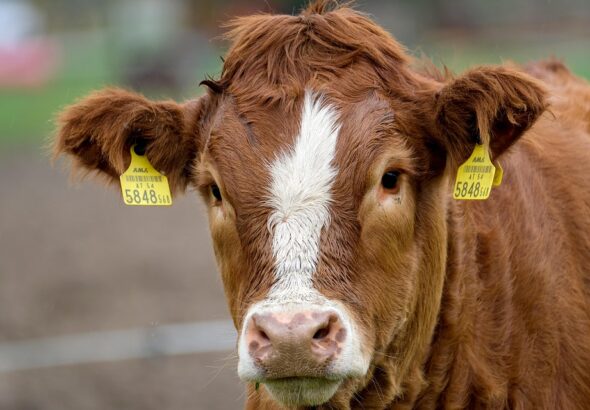

Cattle farming is a vital component of the agricultural industry, providing essential resources such as milk, meat, and leather. Whether you’re a seasoned farmer or a beginner, mastering cattle farming requires understanding various aspects from breed selection to herd management. This guide aims to provide comprehensive insights into the essentials of successful cattle farming.
Understanding Cattle Breeds
Choosing the appropriate cattle breed is crucial as it directly influences productivity and profitability. Cattle breeds can be broadly categorized into beef, dairy, and dual-purpose breeds. Beef breeds like Angus, Hereford, and Charolais are optimized for meat production, while dairy breeds such as Holstein, Jersey, and Guernsey excel in milk production. Dual-purpose breeds, including Simmental and Brown Swiss, offer a balance of both meat and milk.
Beef Cattle Breeds
Beef breeds are developed for high-quality meat production. Angus cattle are renowned for their marbling and tenderness, making them a popular choice. Herefords are valued for their hardiness and adaptability to different environments. Charolais cattle, known for their size and growth rate, are excellent for producing lean meat.
Dairy Cattle Breeds
Dairy breeds are selected based on their milk yield and quality. Holsteins are the most common dairy breed, known for their high milk production. Jersey cows, although smaller, produce milk with a higher butterfat content, ideal for cheese production. Guernseys are appreciated for their rich, golden milk.
Dual-Purpose Breeds
Dual-purpose breeds offer flexibility in farming operations. Simmental cattle have a balanced growth rate and milk production, making them versatile for both meat and dairy. Brown Swiss are known for their longevity and robust health, providing both quality milk and beef.
Feeding and Nutrition
Proper nutrition is vital for cattle health, growth, and productivity. Cattle diets should be balanced, providing adequate proteins, carbohydrates, vitamins, and minerals. The nutritional requirements vary based on the cattle’s age, breed, and purpose.
Forage and Pasture Management
Forage, including grasses and legumes, forms the primary diet for cattle. Effective pasture management ensures a steady supply of nutritious forage. Rotational grazing helps maintain pasture quality and prevents overgrazing. It involves dividing pasture land into sections and allowing cattle to graze each section in turn, giving grass time to recover.
Supplementary Feeding
In addition to forage, supplementary feeds such as grains, silage, and protein supplements may be necessary, especially during winter or drought conditions. High-quality hay, corn, and soybean meal are common supplements that enhance energy and protein intake.
Health and Disease Management
Maintaining cattle health is paramount to prevent diseases that can lead to significant economic losses. Regular health checks, vaccinations, and parasite control are essential components of a health management program.
Common Cattle Diseases
Cattle are susceptible to various diseases, including Bovine Respiratory Disease (BRD), foot-and-mouth disease, and mastitis. BRD is a significant concern in feedlots and can be mitigated through proper vaccination and biosecurity measures. Mastitis, an infection of the udder, affects dairy cows and requires diligent hygiene and milking practices to prevent.
Preventative Measures
Prevention is more cost-effective than treatment. Implementing biosecurity measures such as quarantining new arrivals, maintaining clean facilities, and controlling vectors can reduce disease risks. Regular veterinary consultations ensure timely vaccinations and health assessments.
Breeding and Reproduction
Effective breeding programs are critical for herd improvement and productivity. Understanding the reproductive cycle and employing strategic breeding techniques can enhance genetic quality and production efficiency.
Reproductive Management
The reproductive cycle in cows involves estrus (heat), conception, gestation, and calving. Monitoring estrus cycles is crucial for timely breeding. Artificial insemination (AI) is a common practice that allows for genetic improvement by using superior sires.
Calving and Calf Rearing
Calving requires careful monitoring to ensure safe delivery. Providing a clean, stress-free environment during calving reduces complications. Post-calving, ensuring adequate colostrum intake is vital for calf health. Calves should be monitored for signs of illness and given appropriate vaccinations to boost immunity.
Housing and Infrastructure
Cattle require appropriate housing and infrastructure to ensure comfort and productivity. Facilities should provide protection from extreme weather and ensure easy access to feed and water.
Designing Cattle Housing
Cattle housing should be designed to accommodate herd size and allow for ventilation, drainage, and manure management. Barns should have enough space for movement, feeding, and resting. Proper flooring is crucial to prevent injuries and promote hygiene.
Water and Feeding Infrastructure
Access to clean water is essential for cattle health. Water troughs should be regularly cleaned and positioned to prevent contamination. Feeding infrastructure, including feed bunks and silage pits, should be designed for efficient feeding and minimizing waste.
Marketing and Economics
Understanding market dynamics and economic principles is vital for the profitability of cattle farming. Farmers must stay informed about market trends, pricing strategies, and consumer preferences.
Market Trends
Market trends in cattle farming are influenced by factors such as consumer demand, export markets, and economic conditions. Keeping abreast of these trends helps farmers make informed decisions about production and marketing strategies.
Cost Management
Effective cost management involves optimizing resource use and reducing waste. Monitoring input costs, including feed, health care, and labor, is crucial for maintaining profitability. Implementing sustainable practices can also lead to cost savings.
Sustainability in Cattle Farming
Sustainable cattle farming practices ensure long-term viability by balancing economic, environmental, and social considerations. Farmers are increasingly adopting practices that minimize environmental impact and promote animal welfare.
Environmental Impact
Cattle farming can contribute to greenhouse gas emissions, land degradation, and water pollution. Implementing practices such as rotational grazing, manure management, and maintaining biodiversity helps mitigate these impacts.
Animal Welfare
Ensuring animal welfare is a key component of sustainable farming. Providing adequate space, nutrition, and health care enhances cattle welfare. Practices like low-stress handling and providing enrichment improve overall herd well-being.
Conclusion
Mastering cattle farming requires a holistic approach that considers breed selection, nutrition, health management, reproduction, infrastructure, and market dynamics. By adopting best practices and focusing on sustainability, farmers can enhance productivity and profitability while contributing to a healthier environment. Whether you’re a novice or an experienced farmer, continuous learning and adaptation are essential to succeed in the dynamic field of cattle farming.
#ChatGPT assisted in the creation of this article.