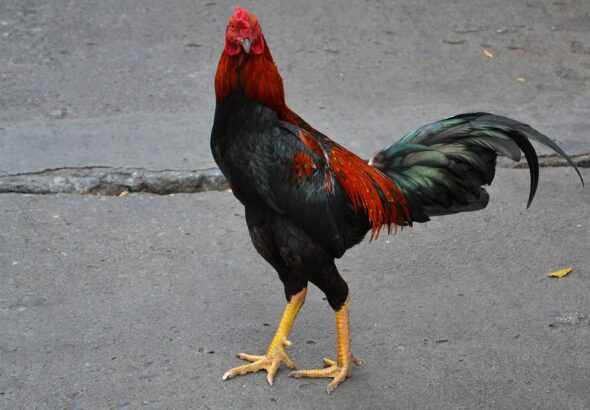


Caring for farm animals requires dedication, knowledge, and attention to detail. Ensuring optimal health for livestock not only enhances their well-being but also improves productivity and the quality of products such as milk, eggs, and meat. This article provides essential farm animal care tips designed to help farmers maintain healthy and thriving livestock.
Understanding Basic Nutritional Needs
A balanced diet is crucial for the health and productivity of farm animals. Different species have unique nutritional requirements, so understanding these is the first step in effective animal care.
Ruminants: Cows, Sheep, and Goats
Ruminants require a diet rich in fibrous plants such as hay, grass, and silage. Their complex stomachs efficiently digest these materials, converting them into energy and nutrients. It’s essential to provide fresh, clean water at all times and supplement their diet with minerals and vitamins as recommended by a veterinarian.
Poultry: Chickens, Ducks, and Turkeys
Poultry thrives on a mix of grains, seeds, and commercial poultry feed that meets their protein, calcium, and vitamin needs. Ensure that feed is stored in a dry, cool place to prevent mold growth, which can be toxic to birds. Fresh water must be available at all times.
Swine: Pigs
Pigs require a diet high in energy and protein, often provided through commercial swine feed. They also benefit from fresh fruits and vegetables as treats. Clean water is essential for their digestive health and overall well-being.
Maintaining Proper Housing and Environment
The environment in which farm animals live significantly affects their health and productivity. Proper housing not only protects animals from harsh weather but also reduces stress and the risk of disease.
Ventilation and Space
Good ventilation in animal housing is crucial to prevent respiratory diseases. Ensure that barns and coops have adequate airflow while being protected from harsh weather. Providing enough space for each animal is equally important to prevent overcrowding, which can lead to stress and increased disease transmission.
Cleanliness and Sanitation
Regular cleaning and disinfection of animal housing reduce the risk of infections. Removing manure and old bedding frequently helps control parasites and diseases. Implement a routine cleaning schedule and use recommended disinfectants to maintain a healthy environment.
Implementing Health Management Practices
Proactive health management is crucial for preventing diseases and promoting overall animal welfare. This includes regular health checks, vaccinations, and parasite control.
Regular Veterinary Check-Ups
Schedule regular visits from a veterinarian to monitor the health of your livestock. Early detection of health issues can prevent the spread of diseases and reduce treatment costs. Veterinarians can also provide guidance on vaccinations and health management tailored to your farm’s needs.
Vaccination and Parasite Control
Vaccines are vital in preventing common livestock diseases. Work with your veterinarian to develop a vaccination schedule suitable for your animals. Additionally, implement a parasite control program to prevent infestations of lice, mites, worms, and other pests that can affect animal health.
Providing Adequate Exercise and Enrichment
Physical activity and mental stimulation are essential for the well-being of farm animals, reducing stress and promoting natural behaviors.
Pasture Access
Whenever possible, allow animals access to pasture. Grazing not only provides exercise but also enables animals to forage naturally, which is beneficial for their mental health. Rotate pastures regularly to prevent overgrazing and maintain healthy grasslands.
Enrichment Activities
Provide enrichment activities that stimulate natural behaviors. For example, pigs enjoy rooting, so providing straw or soil can satisfy this need. Similarly, offering pecking objects for poultry and climbing structures for goats can enhance their quality of life.
Monitoring and Managing Stress
Stress can significantly impact the health and productivity of farm animals, making stress management a crucial aspect of animal care.
Identifying Stressors
Identify and minimize stressors such as loud noises, sudden changes in routine, and overcrowding. Each species may have different stress triggers, so it’s important to observe your animals and adjust their environment accordingly.
Implementing Stress Reduction Techniques
Provide a calm and consistent environment with minimal disruptions. Ensure animals have access to shelter and are protected from extreme weather conditions. Handling animals gently and ensuring they have a predictable routine can also help reduce stress.
Ensuring Safe and Humane Handling
Proper handling techniques are essential for the welfare of farm animals, reducing stress and preventing injuries to both animals and handlers.
Training and Education
Train farm staff in humane handling techniques and the use of appropriate equipment. Understanding animal behavior can prevent accidents and ensure the safety of both animals and handlers.
Using Proper Equipment
Use equipment designed for safe and gentle handling, such as non-slip flooring, proper fencing, and handling systems that minimize stress. Avoid using force or causing unnecessary distress during handling procedures.
Conclusion
Optimal farm animal care requires a comprehensive approach that addresses nutrition, housing, health management, and stress reduction. By implementing these essential care tips, farmers can ensure their livestock remain healthy, productive, and well-cared for, ultimately contributing to a successful and sustainable farming operation.
“`
#ChatGPT assisted in the creation of this article.