
Understanding farm animal behavior is crucial not only for the welfare of the animals themselves but also for the overall success and efficiency of a farm. By observing and interpreting the actions and reactions of livestock, farmers can ensure better care, improve productivity, and create a harmonious environment. This guide aims to provide comprehensive insights into the various aspects of farm animal behavior.
Why Understanding Animal Behavior Matters
The behavior of farm animals can provide significant indicators of their health, well-being, and environmental conditions. Recognizing and interpreting these behaviors can lead to improved management practices and animal welfare. Moreover, understanding behavior helps in preventing accidents and reducing stress on the farm, leading to more efficient and humane livestock handling.
Factors Influencing Farm Animal Behavior
Genetic Factors
Genetic predispositions play a major role in how animals behave. Certain breeds have inherent traits that can affect their temperament, social behavior, and stress responses. For instance, dairy cows are generally more docile compared to beef cattle, which can influence how they should be handled.
Environmental Conditions
The environment in which farm animals live can significantly impact their behavior. Factors such as space, climate, and the presence of shelter or enrichment can influence how animals interact with each other and their surroundings. Providing an optimal environment that meets their physical and psychological needs is essential for promoting positive behaviors.
Social Interactions
Farm animals are often social creatures, and their interactions with other animals can shape their behavior. Understanding social hierarchies and dynamics within groups can help in managing aggression, stress, and competition for resources. For example, maintaining stable groups and avoiding frequent changes can minimize stress among herd animals.
Human-Animal Interactions
The way humans interact with farm animals can also affect their behavior. Positive interactions, such as gentle handling and consistent routines, can build trust and reduce fear. Conversely, negative interactions, such as rough handling, can lead to fearfulness and stress, impacting the overall welfare and productivity of the animals.
Recognizing Common Behaviors in Farm Animals
Cattle
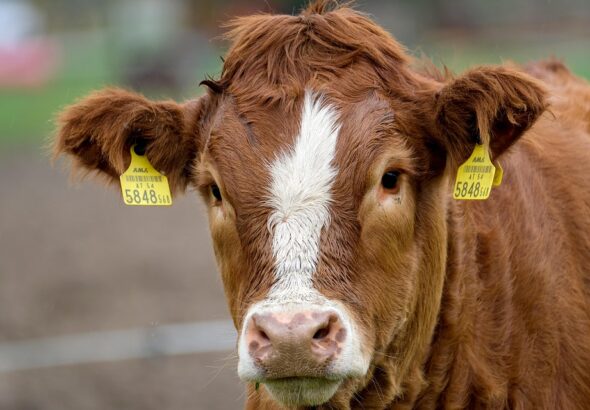
Cattle are known for their social nature and complex communication systems. They communicate through vocalizations, body language, and even scent. Key behaviors include:
– **Grazing and Ruminating:** Cattle spend a significant amount of time grazing and ruminating, which is vital for their digestive health.
– **Social Grooming:** This behavior helps strengthen social bonds within the herd.
– **Vocalizations:** Cattle use different sounds to express distress, hunger, or the presence of a threat.
Pigs
Pigs are intelligent and social animals with a range of behaviors that indicate their mood and well-being:
– **Rooting:** This natural behavior involves pigs using their snouts to explore and forage, which is essential for their mental stimulation.
– **Social Hierarchies:** Pigs establish social order within groups, and understanding this can help manage aggression and competition.
– **Vocalizations:** Pigs communicate using a variety of sounds that can indicate contentment, distress, or alarm.
Sheep
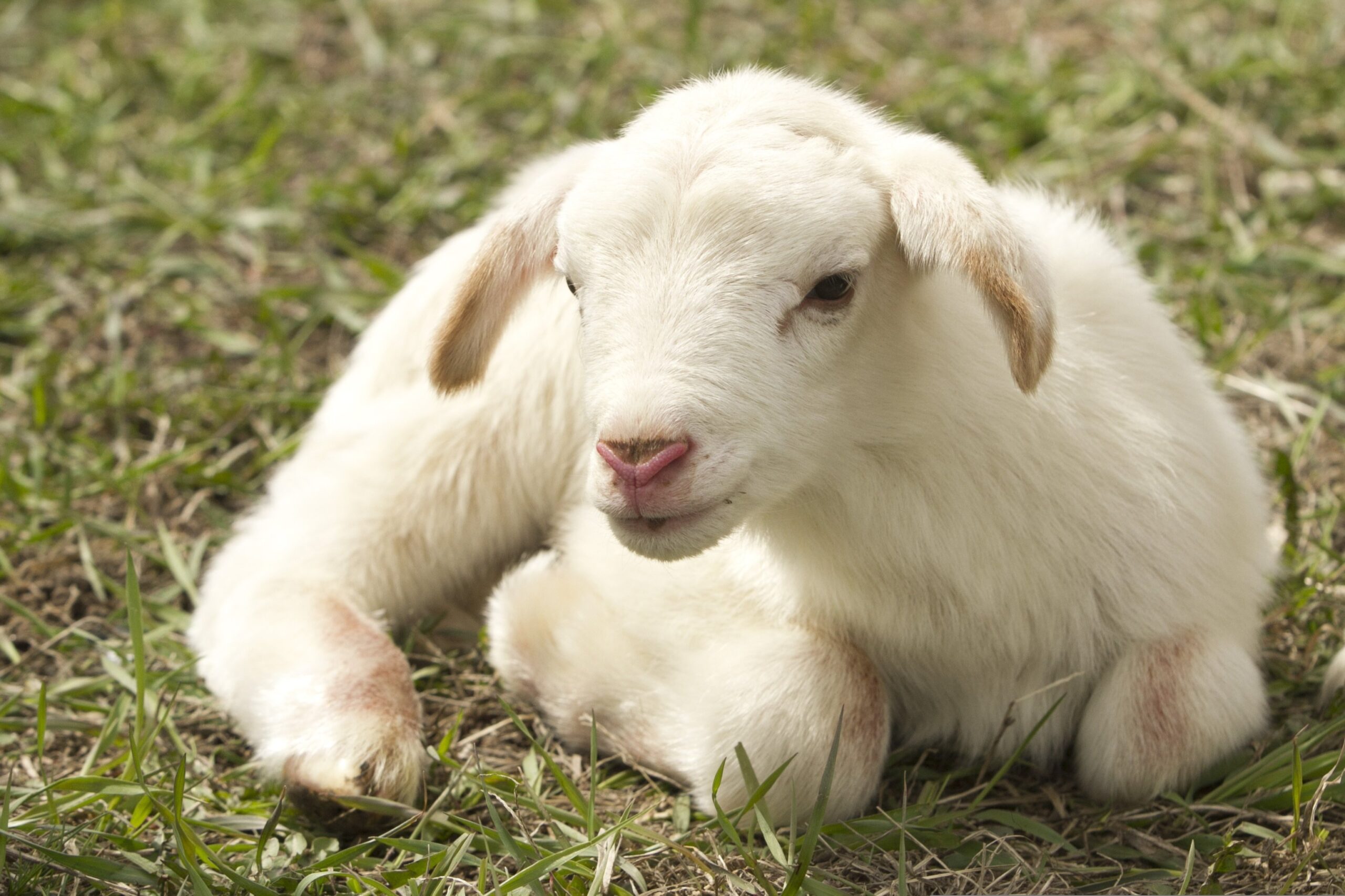
Sheep have a strong flocking instinct and display behaviors that reflect their need for social cohesion:
– **Flocking:** Sheep feel safer in numbers and will often move together as a group.
– **Grazing Patterns:** Sheep have distinct grazing patterns that can be influenced by availability of pasture and environmental conditions.
– **Alarm Responses:** When threatened, sheep may exhibit flight responses, moving quickly to regroup with the flock.
Poultry
Chickens and other poultry exhibit a range of behaviors that can provide insights into their health and comfort:
– **Foraging:** Chickens naturally forage for food, and providing opportunities for this behavior can enhance their welfare.
– **Pecking Order:** Social hierarchies are established through pecking, and understanding this can help in managing aggression.
– **Dust Bathing:** This behavior is crucial for maintaining feather health and controlling parasites.
Behavioral Challenges and Solutions
Aggression
Aggression can arise due to competition for resources, overcrowding, or disruptions in social structures. Solutions include providing ample space, maintaining stable groups, and ensuring access to resources like food and water.
Stress and Fear
Stressful environments or negative interactions can lead to fearfulness in animals. Reducing stress involves creating a calm environment, using low-stress handling techniques, and providing enrichment to stimulate natural behaviors.
Health-Related Behaviors
Changes in behavior can often indicate health issues. For example, a decrease in grazing or increased isolation may signal illness. Regular health checks and prompt veterinary care are essential for addressing these issues.
Enhancing Welfare through Behavior Understanding
Improving animal welfare involves creating environments that allow for natural behaviors and reduce stress. This includes:
– **Providing Enrichment:** Enrichment activities such as toys, varied diets, and opportunities for exploration can enhance mental stimulation and overall welfare.
– **Optimizing Space and Resources:** Ensuring sufficient space and availability of food, water, and shelter are critical for meeting the animals’ needs.
– **Training and Education:** Educating farm staff about animal behavior and welfare can lead to better handling practices and improved animal care.
Conclusion
Understanding farm animal behavior is a vital aspect of livestock management that can lead to improved welfare, productivity, and safety. By recognizing and responding to the needs of farm animals, farmers can create an environment that promotes health, happiness, and harmony on the farm. Through education and careful observation, we can continue to improve the lives of farm animals and the success of agricultural enterprises.
#ChatGPT assisted in the creation of this article.