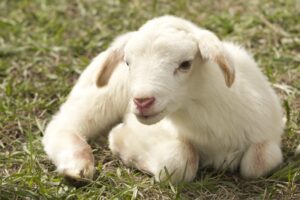

In the world of livestock management, ensuring the well-being of animals goes beyond just meeting their basic needs. Stress management plays a crucial role in maintaining the health and productivity of livestock. Stress in animals can lead to a host of problems, including reduced growth rates, lower reproductive performance, weakened immune systems, and even behavioral issues. Therefore, understanding and implementing effective stress management techniques is essential for healthier livestock.
Understanding Animal Stress
What is Animal Stress?
Animal stress is a physiological and behavioral response to environmental challenges that threaten an animal’s homeostasis. It can be caused by various factors such as environmental conditions, handling practices, herd dynamics, and dietary changes. The stress response involves the release of hormones like cortisol, which can have negative effects on the animal’s body if sustained over time.
Common Causes of Stress in Livestock
Stress in livestock can arise from several sources, including:
- Environmental Stress: Extreme weather conditions, inadequate shelter, and poor ventilation can stress animals. Temperature fluctuations, high humidity, or overcrowding can exacerbate the situation.
- Handling and Transport: Poor handling practices, rough transportation, and unfamiliar environments can cause significant stress.
- Social Stress: Changes in herd composition, aggressive behaviors, and competition for resources can lead to stress.
- Nutritional Stress: Sudden changes in diet, inadequate nutrition, or inconsistent feeding schedules can stress livestock.
Techniques for Managing Stress in Livestock
Environmental Management
Proper environmental management is fundamental to minimizing stress in livestock. This includes:
- Providing Adequate Shelter: Ensure that animals have access to shelter that protects them from extreme weather conditions, such as heat, cold, rain, or wind.
- Temperature Control: Utilize fans, misters, or heaters to maintain optimal temperature ranges, and ensure proper ventilation to reduce heat stress.
- Space Management: Avoid overcrowding by providing sufficient space for each animal to move freely and comfortably.
Handling and Transportation
Gentle handling and stress-free transportation are critical to minimizing stress:
- Training and Familiarity: Train livestock to become accustomed to human presence and routine handling procedures to reduce fear and anxiety.
- Low-Stress Handling Techniques: Use calm, deliberate movements and avoid loud noises. Implement handling systems that minimize stress, such as curved chutes and non-slip flooring.
- Transportation Planning: Plan transport routes and schedules to minimize time spent in transit. Ensure that transportation vehicles are well-ventilated and comfortable.
Social and Behavioral Considerations
Addressing social dynamics and behaviors within the herd can significantly reduce stress:
- Stable Social Groups: Maintain stable group compositions and avoid frequent mixing of animals to reduce social stress and aggression.
- Enrichment Activities: Provide environmental enrichment, such as toys or foraging opportunities, to stimulate natural behaviors and reduce boredom-induced stress.
- Monitoring Aggression: Regularly observe livestock for signs of aggression or bullying and take appropriate measures to manage such behaviors.
Nutrition and Diet Management
Proper nutrition is vital for maintaining a healthy and stress-free herd:
- Consistent Feeding Schedule: Stick to a regular feeding schedule to prevent stress associated with hunger or erratic feeding times.
- Balanced Diet: Ensure that livestock receive a balanced diet that meets their nutritional requirements, and avoid sudden changes in feed composition.
- Access to Clean Water: Provide continuous access to clean and fresh water to prevent dehydration, which can exacerbate stress.
Monitoring and Assessing Stress Levels
Behavioral Indicators
Observing changes in behavior can provide valuable insights into the stress levels of livestock:
- Altered Feeding Habits: Reduced feed intake or changes in appetite can indicate stress.
- Social Withdrawal: Isolation from the herd or reduced interaction with other animals may signify stress.
- Increased Vocalizations: Excessive vocalizations, such as increased vocal pitch or frequency, can be a sign of discomfort.
Physiological Indicators
Physiological changes can also serve as indicators of stress:
- Elevated Cortisol Levels: Blood tests can measure cortisol levels, a hormone associated with stress.
- Respiratory and Heart Rates: An increase in respiratory or heart rates can indicate stress.
- Immune Function: Stress can weaken the immune system, leading to increased susceptibility to diseases.
Conclusion
Effective stress management is a vital component of livestock care, contributing to healthier and more productive animals. By understanding the causes and signs of stress, and implementing techniques to mitigate its effects, livestock managers can create environments that promote animal welfare and optimize productivity. From environmental management to nutrition, handling, and monitoring, a holistic approach to stress management ensures that livestock can thrive in their environments, leading to better outcomes for both the animals and the farmers who care for them.
#ChatGPT assisted in the creation of this article.