
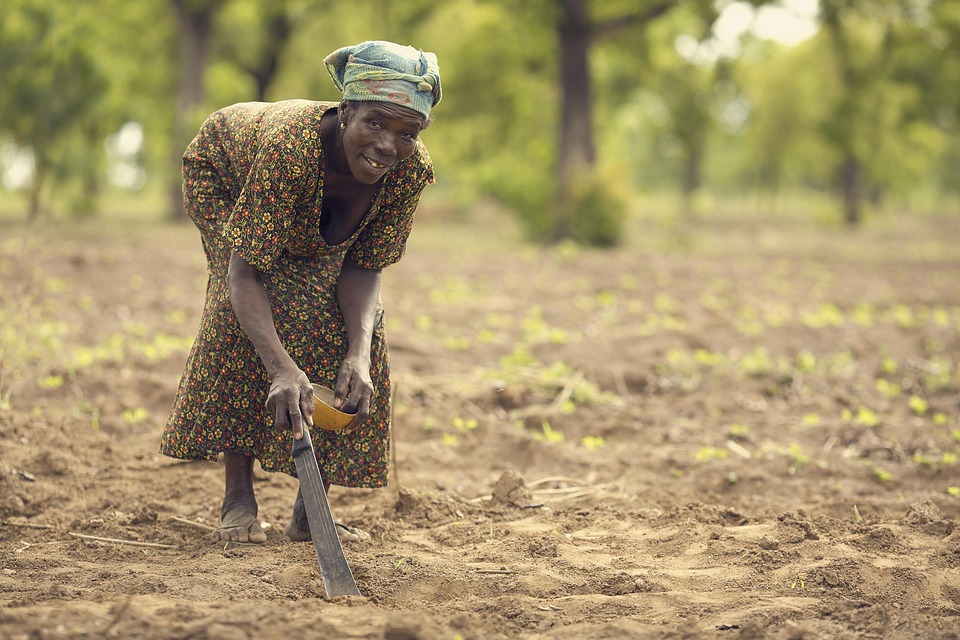
In the world of agriculture and gardening, timing is everything. The success of your crops, whether they’re vegetables, fruits, or flowers, largely depends on when you plant them. To maximize your yields, it’s crucial to have a well-structured planting calendar. This guide will provide you with essential insights into creating the ultimate planting calendar, tailored to your specific climate and crop preferences.
Understanding Your Climate Zone
The first step in optimizing your planting calendar is understanding your climate zone. This is vital because different plants thrive in different conditions. The USDA Plant Hardiness Zone Map is a helpful tool that categorizes regions based on their average minimum winter temperatures. Knowing your zone helps you select the best-suited plants for your area and determines the ideal planting time.
Microclimates Matter
While climate zones provide a general idea of your area’s conditions, it’s essential to consider microclimates in your garden. These are small areas with slightly different climate conditions than the surrounding region. Factors such as elevation, proximity to bodies of water, and urban environments can create microclimates. Understanding these nuances allows you to place plants in locations where they will thrive.
Choosing the Right Crops
Once you have a clear understanding of your climate zone and microclimates, it’s time to choose the crops you wish to grow. Here are some considerations:
Seasonal Preferences
Identify which crops are best suited for the specific season in your region. Cool-season crops like lettuce, spinach, and peas thrive in early spring or fall, while warm-season crops such as tomatoes, peppers, and cucumbers prefer the heat of summer.
Soil Requirements
Different crops have varying soil requirements. Test your soil to determine its pH and nutrient levels, and choose crops that match your soil’s characteristics or amend the soil accordingly.
Creating a Planting Calendar
Now that you have selected your crops, it’s time to create a planting calendar. A well-structured calendar will help you organize your planting schedule, ensuring you maximize your garden’s productivity.
Start with Frost Dates
The first step in creating your planting calendar is determining the average last frost date in spring and the first frost date in fall. These dates will serve as a guide for when to start planting your crops. Cool-season crops are usually planted before the last frost date, while warm-season crops are planted afterwards.
Succession Planting
To make the most of your growing season, consider succession planting. This technique involves planting crops in a staggered manner to ensure a continuous harvest. For example, sowing lettuce seeds every two weeks will provide a steady supply of fresh greens throughout the growing season.
Companion Planting
Companion planting involves growing certain plants together to enhance growth, deter pests, and improve yields. For example, planting basil near tomatoes can enhance the flavor and deter pests, while marigolds can help repel nematodes and other harmful insects.
Utilizing Technology
Modern technology offers various tools to help you optimize your planting calendar. Consider using gardening apps, online calendars, and weather forecasting tools. These resources can provide real-time data and alerts about weather conditions, frost dates, and optimal planting times.
Regular Maintenance and Monitoring
Creating a planting calendar is just the beginning. Regular maintenance and monitoring are crucial to ensure your crops thrive.
Watering Schedule
Establish a consistent watering schedule based on the needs of your plants and the local climate. Overwatering and underwatering can both have detrimental effects on your crops.
Pest and Disease Management
Inspect your plants regularly for signs of pests and diseases. Early detection and intervention can prevent significant damage and help maintain healthy yields.
Soil Health
Maintain soil health by adding organic matter, such as compost or well-rotted manure. Healthy soil promotes strong plant growth and increases resistance to pests and diseases.
Adapting to Changing Conditions
Gardening and farming are dynamic activities that require adaptability. Weather patterns can change, and unexpected challenges may arise. Be prepared to adjust your planting calendar and strategies as needed to optimize your yields.
Climate Change Considerations
Climate change is impacting growing conditions worldwide. Keep informed about how it affects your region and adapt your planting calendar to accommodate shifts in weather patterns, such as increased temperatures or altered precipitation.
Experimentation and Learning
Don’t be afraid to experiment with new crops or techniques. Every growing season is an opportunity to learn and improve your planting calendar. Keep a gardening journal to document your successes and challenges, and use this knowledge to refine your approach.
Conclusion
Optimizing your yields through a well-structured planting calendar is a rewarding endeavor. By understanding your climate zone, choosing the right crops, and utilizing modern tools, you can create a thriving garden that provides bountiful harvests. Regular maintenance, adaptability, and a willingness to learn are key to long-term success. Embrace the art and science of gardening, and watch your efforts flourish as you optimize your yields with the ultimate planting calendar guide.
#ChatGPT assisted in the creation of this article.