
As the global population continues to rise, the demand for sustainable agricultural practices that boost yields while preserving soil health has become increasingly important. No till farming is one such practice that has gained momentum over the years. This innovative approach to agriculture eliminates the traditional tilling process, offering numerous benefits to both farmers and the environment. In this article, we will delve into the principles of no till farming, its advantages, challenges, and its impact on boosting yields and enhancing soil health.
Understanding No Till Farming
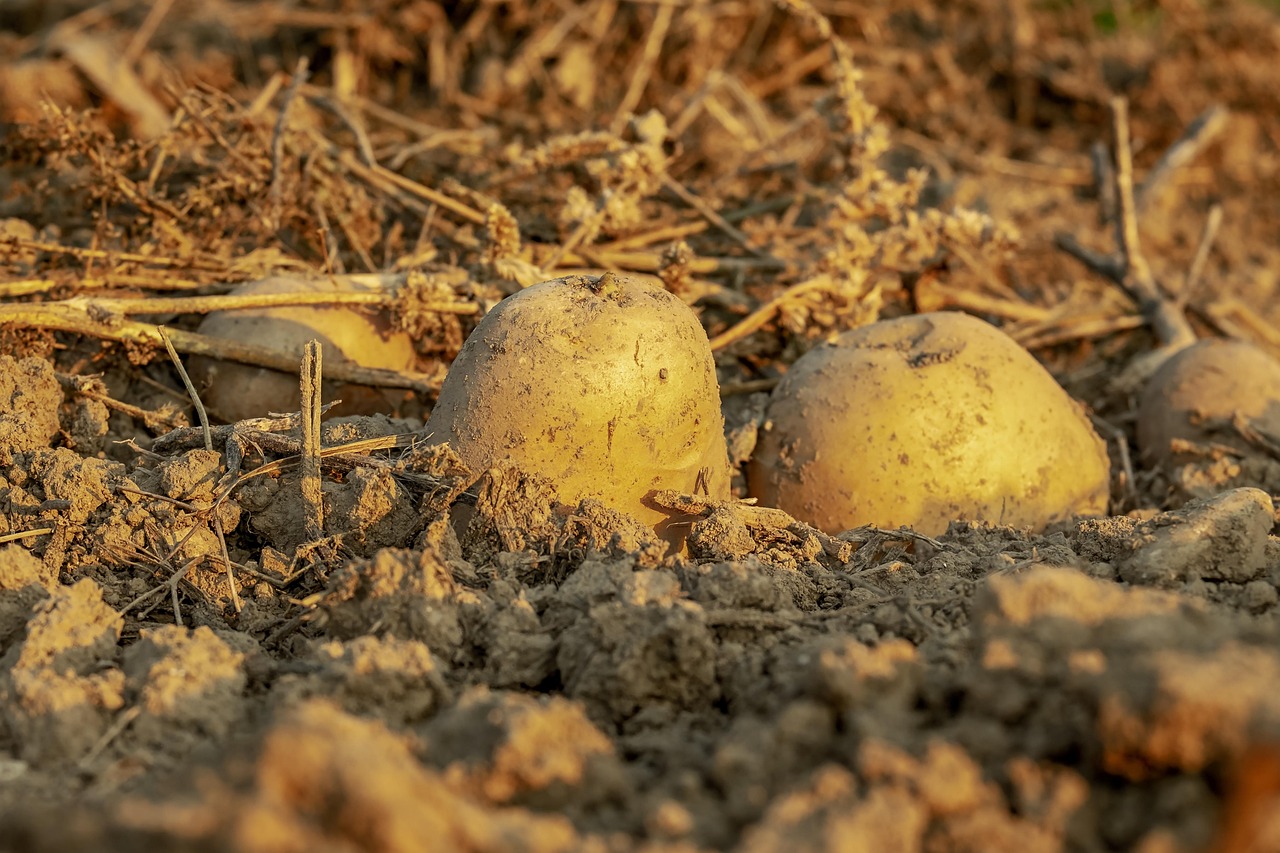
No till farming, as the name suggests, is a method of growing crops without disturbing the soil through tillage. Traditionally, farmers have relied on plowing and tilling to prepare the soil for planting. However, these methods can lead to soil erosion, loss of organic matter, and disruption of soil microbial activity. No till farming, on the other hand, involves planting seeds directly into the undisturbed soil, maintaining the soil’s natural structure and health.
Principles of No Till Farming
The core principles of no till farming revolve around minimal soil disturbance, maintaining soil cover, and diversifying crop rotations. By avoiding tillage, the soil structure is preserved, and the microbial ecosystem thrives. Ground cover, often achieved through cover crops or crop residues, protects the soil from erosion and helps retain moisture. Crop rotation enhances soil fertility and helps manage pests and diseases.
Benefits of No Till Farming
The adoption of no till farming offers a range of benefits that contribute to increased agricultural productivity and environmental sustainability.
Boosting Yields
One of the most compelling reasons for farmers to adopt no till farming is its potential to boost crop yields. By maintaining soil structure and enhancing water retention, crops have better access to nutrients and moisture, leading to improved growth and yield. Over time, as soil health improves, farmers often observe higher and more stable yields.
Enhancing Soil Health
No till farming plays a crucial role in enhancing soil health. By avoiding tillage, the soil’s natural structure is preserved, promoting the development of a robust soil food web. The presence of organic matter and microorganisms increases, leading to improved nutrient cycling and soil fertility. Additionally, the retention of plant residues on the soil surface helps protect against erosion and promotes carbon sequestration, contributing to long-term soil health.
Reducing Erosion
Soil erosion is a significant concern in conventional farming practices, where tillage can leave the soil vulnerable to wind and water erosion. No till farming reduces erosion by maintaining soil cover and preserving soil structure. The presence of crop residues and cover crops helps anchor the soil, protecting it from external forces.
Water Conservation
Water conservation is another significant advantage of no till farming. The undisturbed soil structure improves water infiltration and reduces runoff, allowing the soil to retain moisture more effectively. This is particularly beneficial in regions prone to drought, as no till farming helps mitigate the impact of water scarcity on crop growth.
Carbon Sequestration
As a sustainable agricultural practice, no till farming contributes to carbon sequestration, helping mitigate climate change. By maintaining soil cover and enhancing organic matter content, carbon is stored in the soil rather than released into the atmosphere. This not only benefits the environment but also improves soil fertility and productivity over time.
Challenges of No Till Farming
While no till farming offers numerous benefits, it also presents certain challenges that farmers must address to achieve success.
Weed and Pest Management
One of the primary challenges in no till farming is effective weed and pest management. Without tillage to disrupt weed growth, farmers must rely on alternative strategies such as cover cropping, crop rotation, and targeted herbicide use. Integrated pest management practices are crucial to maintaining balance in the ecosystem and preventing pest outbreaks.
Initial Transition Period
Transitioning from conventional to no till farming can be challenging for farmers accustomed to traditional practices. During the initial years, there may be a learning curve as farmers adapt to new techniques and manage expectations regarding yield improvements. Patience and persistence are key during this transition period.
Equipment and Costs
Implementing no till farming often requires specialized equipment, such as no till planters and seed drills. The initial investment in equipment can be a barrier for some farmers, especially those with limited resources. However, the long-term benefits of reduced labor and input costs often outweigh the initial expenses.
Implementing No Till Farming
For farmers considering the transition to no till farming, a strategic plan and gradual implementation are essential for success.
Start with Small Plots
To ease the transition, farmers can begin by implementing no till practices on small plots of land. This allows them to gain experience and confidence in managing the new system without committing their entire operation.
Choose Appropriate Cover Crops
Selecting the right cover crops is crucial for the success of no till farming. Cover crops should be chosen based on their ability to suppress weeds, enhance soil fertility, and improve soil structure. Legumes, grasses, and brassicas are popular options for cover cropping.
Prioritize Soil Testing
Regular soil testing is essential to monitor soil health and nutrient levels. By understanding the specific needs of their soil, farmers can make informed decisions about nutrient management and crop rotations.
Embrace Integrated Pest Management
Integrated pest management (IPM) is a holistic approach that combines various strategies to manage pests effectively. In no till farming, IPM may include biological controls, habitat manipulation, and targeted pesticide use. By promoting biodiversity and natural predator populations, farmers can maintain pest populations at manageable levels.
Conclusion
No till farming represents a paradigm shift in agricultural practices, offering a sustainable solution to the challenges of modern farming. By eliminating tillage, farmers can boost yields, enhance soil health, and contribute to environmental conservation. While the transition to no till farming may present challenges, the long-term benefits are undeniable. As more farmers embrace this approach, no till farming has the potential to revolutionize agriculture, ensuring food security and environmental sustainability for future generations.
#ChatGPT assisted in the creation of this article.