Nutrition plays a pivotal role in the health and growth of animals. Whether you’re a farmer, pet owner, or involved in wildlife conservation, understanding the fundamentals of animal nutrition can significantly impact the well-being and productivity of animals under your care. This comprehensive guide will delve into the essentials of animal nutrition, offering insights into how to optimize diets for different species to promote health and growth.
The Basics of Animal Nutrition
At its core, animal nutrition involves providing the necessary nutrients in the right quantities and proportions to meet an animal’s needs for maintenance, growth, reproduction, and other bodily functions. Nutrients are classified into six categories: carbohydrates, proteins, fats, vitamins, minerals, and water. Each of these plays a crucial role in supporting life and ensuring the overall health of animals.
Carbohydrates
Carbohydrates are the primary energy source for most animals. They are found in grains, fruits, vegetables, and other plant materials. In ruminants like cows and sheep, carbohydrates are fermented in the rumen, producing volatile fatty acids that are absorbed and used for energy. In monogastric animals like pigs and horses, carbohydrates are digested in the small intestine. Providing the right balance of carbohydrates is essential to support growth, milk production, and overall vitality.
Proteins
Proteins are composed of amino acids, which are the building blocks of life. They are vital for muscle development, tissue repair, and enzyme production. Animal sources of protein include meat, fish, and eggs, while plant-based proteins come from sources like soybeans, legumes, and grains. Different animals have varying protein requirements depending on their species, age, and purpose (e.g., growth, lactation).
Fats
Fats are a concentrated energy source and are important for absorbing fat-soluble vitamins, protecting vital organs, and regulating body temperature. They also play a role in maintaining healthy skin and fur. Sources of dietary fats include fish oil, vegetable oils, and animal fats. It’s crucial to provide the right amount of fats in animal diets to avoid issues like obesity or deficiencies in essential fatty acids.
Vitamins and Minerals
Vitamins and minerals are essential micronutrients that support various physiological functions. Vitamins like A, D, E, and K are fat-soluble, while others like vitamin C and B-complex vitamins are water-soluble. Minerals such as calcium, phosphorus, potassium, and magnesium are critical for bone health, nerve function, and metabolic processes. A balanced diet should provide all necessary vitamins and minerals to prevent deficiencies and promote optimal health.
Water
Often overlooked, water is the most crucial nutrient. It is involved in every bodily function, including digestion, nutrient absorption, and temperature regulation. Animals should have access to clean, fresh water at all times to ensure proper hydration and metabolic efficiency.
Species-Specific Nutritional Needs
Different species have unique nutritional requirements based on their digestive systems, life stages, and production goals. Understanding these needs is key to formulating appropriate diets.
Ruminants (Cattle, Sheep, Goats)
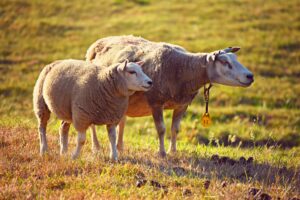
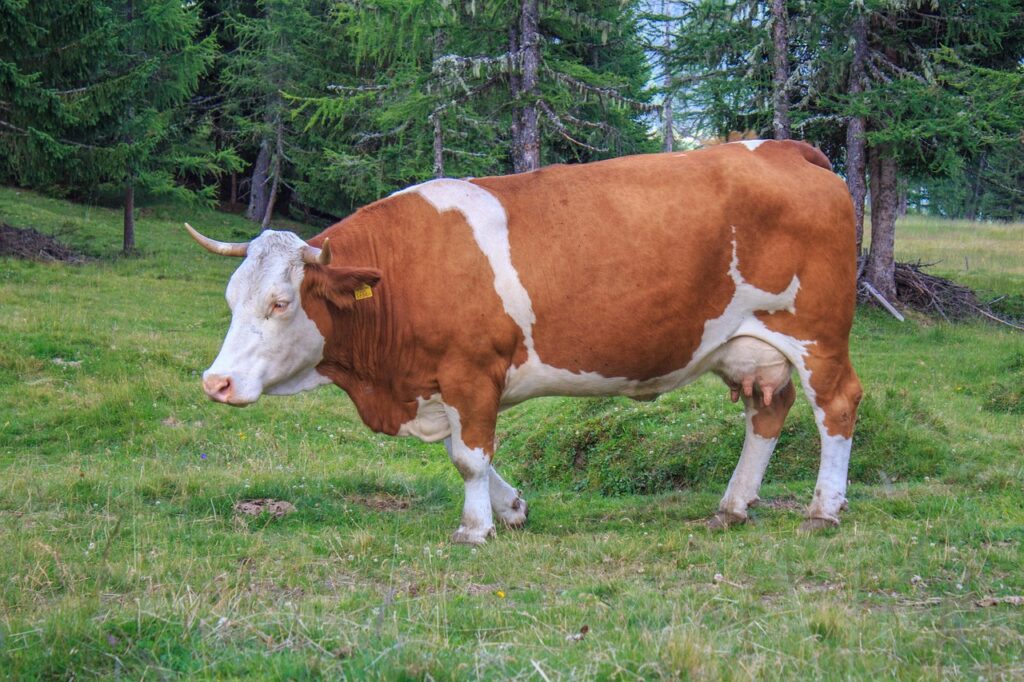
Ruminants have a specialized stomach with four compartments, allowing them to digest fibrous plant material efficiently. Their diets should be high in fiber from sources like hay, silage, and pasture. Balancing energy and protein intake is crucial for growth and milk production. Supplements like mineral blocks or licks may be needed to provide essential trace elements.
Monogastric Animals (Pigs, Horses)
Monogastric animals have a single-chambered stomach and require a diet rich in easily digestible carbohydrates and proteins. Pigs, for example, thrive on grain-based diets supplemented with protein sources like soybean meal. Horses, on the other hand, need high-fiber diets primarily composed of hay and pasture, with supplemental grains for energy if necessary.
Poultry
Poultry, including chickens and turkeys, require diets that optimize egg production and growth. These diets are typically rich in grains, proteins, and essential vitamins and minerals. Providing adequate calcium is critical for eggshell quality, while balanced protein levels support muscle development and growth.
Companion Animals (Dogs, Cats)
Pet nutrition focuses on providing complete and balanced diets through high-quality commercial pet foods or carefully planned homemade meals. Dogs are omnivores and benefit from a variety of ingredients, while cats are obligate carnivores requiring higher protein and fat levels. Ensuring adequate hydration and avoiding harmful foods are essential for pet health.
Enhancing Growth and Health Through Nutrition
Nutrition is a powerful tool to enhance growth and overall health in animals. Here are some strategies to optimize nutritional outcomes:
Balanced Diets
Providing a balanced diet tailored to the specific needs of the animal is paramount. This involves sourcing high-quality feed ingredients, formulating diets that meet nutritional requirements, and adjusting rations based on growth stages or production demands.
Feed Additives and Supplements
Feed additives and supplements can enhance nutritional outcomes by addressing specific deficiencies or promoting health. Common additives include probiotics to improve gut health, antioxidants to support immune function, and enzymes to enhance nutrient digestion and absorption.
Regular Monitoring and Adjustments
Regularly monitoring animal health and growth allows for timely dietary adjustments. Body condition scoring, weight tracking, and observing behavioral changes provide valuable insights into the effectiveness of current nutrition plans and highlight areas for improvement.
Quality Control and Safety
Ensuring feed quality and safety is crucial to prevent health issues. This includes storing feed properly, monitoring for contamination, and adhering to regulations regarding feed additives and medications. Working with a nutritionist or veterinarian can provide additional guidance and assurance.
Conclusion
Animal nutrition is a dynamic and intricate field, crucial to the health and growth of animals. By understanding the fundamentals of nutrition and tailoring diets to meet specific needs, caregivers can significantly enhance the well-being and productivity of the animals in their care. Whether it’s ensuring adequate hydration, balancing macronutrients, or incorporating beneficial supplements, a comprehensive approach to nutrition can lead to healthier, more resilient animals and better outcomes in agriculture, pet ownership, and wildlife conservation.
#ChatGPT assisted in the creation of this article.