Revolutionizing Agriculture: Top Modern Farming Techniques
Agriculture has been the cornerstone of human civilization, enabling societies to grow and prosper. However, as the global population continues to rise, the demand for food has increased exponentially. This has necessitated the evolution of farming techniques to produce more food efficiently and sustainably. Modern farming techniques have emerged as a solution, revolutionizing agriculture through innovations that increase yield, reduce labor, and minimize environmental impact. This article discusses some of the top modern farming techniques that are transforming the agricultural landscape.
Precision Agriculture
Precision agriculture is a farming management concept that utilizes technology to ensure crops and soil receive exactly what they need for optimal health and productivity. This technique employs GPS technology, sensors, and data analytics to monitor field variations and manage crop production at a micro-level.
How It Works
Farmers use GPS-equipped tractors and drones to collect data on various factors such as soil moisture, nutrient levels, and crop health. This data is analyzed to make informed decisions about planting, watering, and fertilizing. The primary aim is to increase efficiency by applying precise amounts of inputs only where they are needed, thus reducing waste and costs.
Benefits
– **Increased Yield**: Tailored interventions improve crop health and output.
– **Resource Efficiency**: Reduces the overuse of water, fertilizers, and pesticides.
– **Environmental Impact**: Minimizes runoff and pollution, promoting sustainability.
Hydroponics
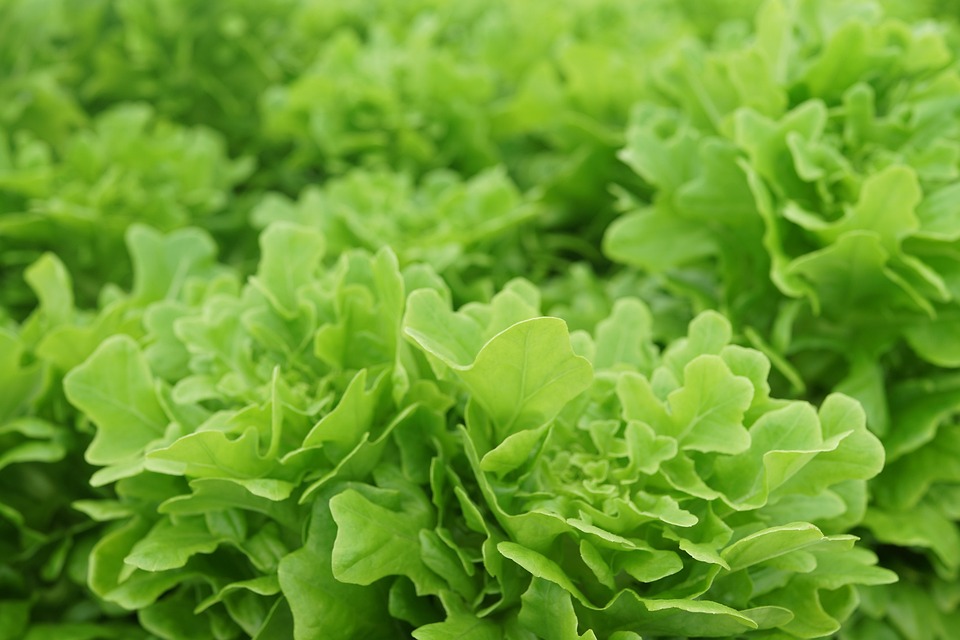
Hydroponics is a soilless farming method where plants are grown in a nutrient-rich water solution. This technique allows for the cultivation of crops in environments where traditional farming is not feasible.
How It Works
Plants are supported using inert mediums like perlite or rockwool and are supplied with all essential nutrients through a water-based solution. Hydroponic systems can be set up in various configurations, such as nutrient film technique (NFT), deep water culture (DWC), and aeroponics.
Benefits
– **Space Efficiency**: Allows for vertical farming, maximizing space utilization.
– **Water Conservation**: Uses up to 90% less water compared to traditional soil farming.
– **Year-Round Production**: Controlled environments enable continuous growth cycles.
Aquaponics
Aquaponics combines aquaculture (raising fish) with hydroponics in a symbiotic environment. This system leverages the natural waste produced by fish to provide nutrients for plants, which in turn purify the water for the fish.
How It Works
Fish are kept in tanks, and the water containing fish waste is circulated to hydroponic beds. Bacteria convert the waste into nutrients that plants can absorb. The plants, by taking up these nutrients, clean the water, which is then recirculated back to the fish tanks.
Benefits
– **Sustainability**: Creates a closed-loop system with minimal waste.
– **Dual Production**: Yields both fish and plants, enhancing food security.
– **Reduced Chemical Use**: Organic nutrients from fish eliminate the need for synthetic fertilizers.
Vertical Farming
Vertical farming involves growing crops in stacked layers, often in controlled environments like warehouses or greenhouses. This technique addresses the challenge of limited arable land as urbanization increases.
How It Works
Plants are grown in vertically stacked trays or towers using hydroponic, aeroponic, or aquaponic systems. LED lights are used to provide the necessary light spectrum for photosynthesis, and climate control systems regulate temperature and humidity.
Benefits
– **Land Efficiency**: Maximizes yield per square foot, suitable for urban areas.
– **Environment Control**: Protects crops from adverse weather conditions and pests.
– **Reduced Transportation**: Proximity to urban centers shortens supply chains, reducing carbon footprint.
Genetically Modified Organisms (GMOs)
GMOs involve altering the genetic makeup of crops to enhance desirable traits such as yield, pest resistance, and climate adaptability. While controversial, GMOs have played a significant role in modern agriculture.
How It Works
Through genetic engineering, specific genes from one organism are inserted into another to express desirable traits. This can involve resistance to pests, enhanced nutritional content, or tolerance to harsh environmental conditions.
Benefits
– **Improved Crop Resilience**: Can withstand pests, diseases, and extreme weather.
– **Enhanced Nutrition**: Biofortified crops offer improved nutritional profiles.
– **Increased Yield**: Higher productivity to meet food demand.
Integrating Technology in Farming
Internet of Things (IoT)
IoT technology connects devices and systems to the internet, enabling real-time data collection and analysis. In agriculture, IoT devices monitor environmental conditions and automate processes, enhancing efficiency and productivity.
– **Smart Sensors**: Measure soil moisture, temperature, and humidity.
– **Automated Irrigation**: Adjusts water delivery based on real-time data, conserving resources.
Artificial Intelligence (AI) and Machine Learning
AI and machine learning are being integrated into farming to analyze data for predictive insights and decision-making.
– **Crop Monitoring**: AI algorithms analyze images from drones to detect plant health issues.
– **Yield Prediction**: Machine learning models forecast crop yields, assisting in planning and resource allocation.
Robotics and Automation
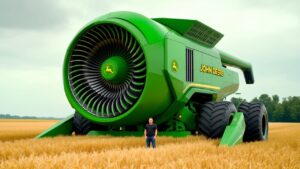
Robotics technology is automating labor-intensive tasks, reducing the need for manual farm labor.
– **Autonomous Tractors**: Perform tasks like plowing and harvesting with minimal human intervention.
– **Robotic Harvesters**: Efficiently pick fruits and vegetables, reducing labor costs and increasing speed.
Conclusion
The adoption of modern farming techniques is essential for meeting the growing global food demand in an environmentally sustainable manner. Precision agriculture, hydroponics, aquaponics, vertical farming, and the integration of technology are revolutionizing how we produce food. These innovations not only increase efficiency and yield but also promote resource conservation and environmental protection. As the agricultural sector continues to evolve, embracing these advancements will be crucial for ensuring food security and sustainability for future generations.
“`
#ChatGPT assisted in the creation of this article.