

In recent years, small-scale farming has gained considerable attention as a vital component of sustainable agriculture. With the global population increasing and arable land diminishing, innovative small-scale farming techniques have become essential for maximizing yields while minimizing environmental impacts. These methods not only enhance productivity but also promote ecological balance, resource efficiency, and economic viability. This article explores a variety of groundbreaking small-scale farming techniques that are revolutionizing agriculture today.
Vertical Farming
Vertical farming is a transformative approach that involves growing crops in stacked layers, often integrated into urban environments like skyscrapers or repurposed warehouses. This technique maximizes space usage and allows for year-round production, independent of weather conditions. Vertical farms use controlled environment agriculture (CEA) technology to optimize light, temperature, and humidity, thus ensuring consistent crop growth.
The benefits of vertical farming include reduced water usage through recirculating hydroponic systems, minimal pesticide need due to enclosed environments, and significant reduction in transportation costs as food is grown closer to urban centers. Innovations like LED grow lights and automation further enhance the efficiency and scalability of vertical farms, making them a promising solution for urban food security.
Aquaponics
Aquaponics is an innovative technique that combines aquaculture (raising fish) and hydroponics (growing plants in water) in a symbiotic environment. In an aquaponic system, fish waste provides an organic nutrient source for plants, while plants naturally filter and purify the water for fish. This closed-loop system is highly sustainable and efficient, requiring less water than traditional farming methods.
Aquaponics systems can be established on a small scale, making them ideal for backyard gardens and urban settings. They offer a continuous supply of both fish and vegetables, promoting food diversity and security. Moreover, aquaponics can be adapted to various climates and locations, providing fresh produce and fish in areas where traditional farming is challenging.
Permaculture
Permaculture is a holistic farming approach that mimics natural ecosystems to create self-sustaining agricultural systems. By observing and integrating patterns found in nature, permaculture practitioners design farms that are resilient, diverse, and productive. Key principles include diversity, resource recycling, and sustainable land use.
Techniques such as companion planting, agroforestry, and the use of perennial crops help maximize yield while maintaining soil health. Permaculture encourages the use of native species and biodiversity to improve ecosystem services, such as pollination and pest control. This method is particularly beneficial for small-scale farmers seeking to achieve long-term sustainability and resilience.
Integrated Pest Management (IPM)
Integrated Pest Management (IPM) is a strategic approach to pest control that combines biological, cultural, physical, and chemical tactics to minimize pest damage while reducing reliance on synthetic pesticides. IPM emphasizes the use of natural predators, crop rotation, habitat manipulation, and resistant crop varieties to manage pest populations.
Small-scale farmers can customize IPM strategies to their specific needs, reducing costs and environmental impact. By promoting natural pest control mechanisms and limiting chemical inputs, IPM contributes to healthier ecosystems and safer food production. Furthermore, IPM practices help maintain biodiversity and enhance soil fertility, contributing to overall farm productivity.
Precision Agriculture
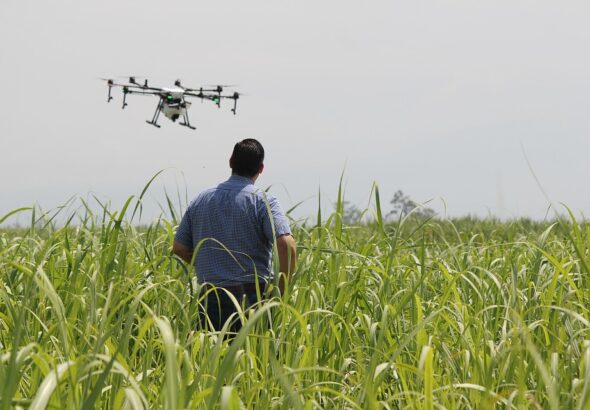
Precision agriculture involves the use of technology to monitor and manage field variability in crops. This method employs GPS, sensors, drones, and data analytics to optimize field-level management regarding crop farming. Precision agriculture allows farmers to apply inputs (such as water, fertilizers, and pesticides) more efficiently, targeting specific areas based on real-time data.
For small-scale farmers, precision agriculture can lead to significant improvements in yield and resource efficiency. By reducing input costs and minimizing environmental impact, this technology-driven approach supports sustainable farming practices. Additionally, precision agriculture enables farmers to make informed decisions, improving crop management and productivity.
Agroecology
Agroecology is an integrated approach that applies ecological principles to agricultural systems, focusing on the interactions between plants, animals, humans, and the environment. This approach promotes biodiversity, soil health, and ecosystem services to create resilient and productive farming systems.
Agroecological practices include intercropping, cover cropping, and the use of organic amendments to enhance soil fertility and structure. By fostering ecological balance and reducing dependency on external inputs, agroecology offers a sustainable path for small-scale farmers to achieve maximum yield. This approach also emphasizes social equity and community involvement, strengthening the resilience of rural communities.
Regenerative Agriculture
Regenerative agriculture focuses on restoring and enhancing the health of ecosystems through farming practices that regenerate soil, increase biodiversity, and improve water cycles. This holistic approach aims to create farms that are not only productive but also environmentally restorative.
Practices such as no-till farming, cover cropping, and rotational grazing help build soil organic matter, improve soil structure, and sequester carbon. Regenerative agriculture supports small-scale farmers by reducing input costs and increasing resilience to climate change. By prioritizing soil health and ecosystem services, regenerative agriculture offers a sustainable pathway to high-yield farming.
Conclusion
As the demand for sustainable and efficient food production grows, innovative small-scale farming techniques are becoming increasingly essential. By adopting methods such as vertical farming, aquaponics, permaculture, and precision agriculture, small-scale farmers can achieve maximum yield while minimizing environmental impact. These techniques not only enhance productivity and resource efficiency but also promote ecological balance and resilience.
Embracing innovative farming practices offers a promising future for small-scale agriculture, contributing to food security, environmental sustainability, and economic viability. As technology and knowledge continue to advance, small-scale farmers have the opportunity to lead the way in sustainable agriculture, ensuring a healthier planet and prosperous communities.
#ChatGPT assisted in the creation of this article.