
In the ever-evolving world of agriculture, pest control remains one of the most significant challenges faced by farmers. Traditional pest control methods, primarily reliant on chemical pesticides, have raised numerous concerns regarding environmental sustainability, human health, and pest resistance. Fortunately, the past few decades have witnessed remarkable innovations in pest control techniques that are transforming farming practices globally. This article explores some of these innovative methods, highlighting their benefits and implications for the future of agriculture.
Integrated Pest Management (IPM)
Integrated Pest Management (IPM) is a holistic approach to pest control that combines various strategies to manage pests effectively and sustainably. Rather than relying solely on chemical pesticides, IPM emphasizes the integration of biological, cultural, mechanical, and chemical tools to minimize pest damage.
Biological Control
Biological control involves using natural predators or parasites to manage pest populations. This method leverages the natural relationships in ecosystems to keep pest numbers in check. For example, deploying ladybugs to control aphid populations in crops is a classic example of biological control. This method reduces reliance on chemical pesticides and promotes biodiversity.
Cultural Control
Cultural control strategies involve modifying farming practices to make the environment less conducive to pest infestations. Crop rotation, intercropping, and altering planting schedules are examples of cultural control techniques. These methods disrupt pest life cycles and reduce their ability to thrive, promoting healthier crops.
Precision Agriculture and Digital Pest Management
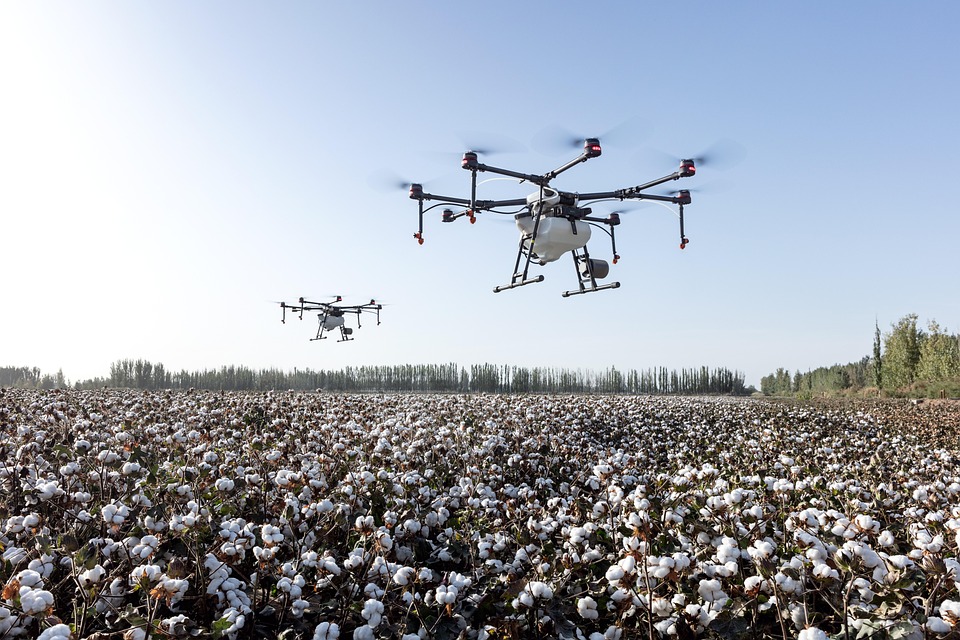
Precision agriculture has revolutionized farming by leveraging technology to optimize crop management. Digital pest management tools, such as remote sensors, drones, and predictive analytics, are now integral to precision agriculture.
Remote Sensing and Monitoring
Remote sensing technology uses satellite imagery and drones to monitor crop health and identify pest infestations. By analyzing data in real-time, farmers can detect early signs of pest activity and take targeted actions. This approach minimizes the need for blanket pesticide applications, reducing chemical usage and environmental impact.
Predictive Analytics
Predictive analytics employs data-driven models to forecast pest outbreaks and guide pest management decisions. By analyzing historical weather data, crop conditions, and pest behavior patterns, farmers can anticipate pest pressures and implement timely interventions, optimizing resource allocation and minimizing crop losses.
Biopesticides and Natural Pest Control Agents
Biopesticides, derived from natural sources such as plants, bacteria, and fungi, have gained popularity as effective alternatives to synthetic chemicals. These products are often species-specific, targeting specific pests while minimizing harm to beneficial organisms and the environment.
Botanical Insecticides
Botanical insecticides, derived from plant extracts like neem oil and pyrethrum, exhibit potent pesticidal properties. These natural compounds disrupt pest growth and reproduction, making them valuable tools in organic farming and integrated pest management programs.
Microbial Control Agents
Microbial control agents utilize beneficial microorganisms such as bacteria, viruses, and fungi to target specific pests. For instance, Bacillus thuringiensis (Bt) is a widely used bacterium that produces proteins toxic to certain insect larvae, providing an environmentally friendly pest control solution.
Genetically Modified Organisms (GMOs) for Pest Resistance
Genetic engineering has enabled the development of genetically modified organisms (GMOs) with enhanced pest resistance. By incorporating pest-resistant genes into crops, researchers have created varieties that can withstand pest pressures without the need for excessive pesticide applications.
Bt Crops
Bt crops, such as Bt cotton and Bt corn, have been engineered to produce Bt toxins, which are lethal to specific insect pests. These crops provide an effective means of pest control while reducing the need for chemical insecticides, contributing to more sustainable agricultural practices.
Concerns and Considerations
While GMOs offer significant benefits, concerns regarding potential environmental impacts and the development of pest resistance persist. Continuous research and monitoring are essential to ensure the responsible and sustainable use of genetically modified crops.
Conclusion
The agricultural landscape is undergoing a transformation, driven by innovative pest control methods that prioritize sustainability and environmental stewardship. Integrated Pest Management, precision agriculture, biopesticides, and genetically modified organisms represent just a few of the groundbreaking approaches revolutionizing farming practices. As these innovative methods continue to evolve, they hold the promise of ensuring food security while safeguarding the planet’s ecosystems for future generations. Embracing these advancements will be crucial in meeting the challenges of modern agriculture and building a resilient and sustainable future.
#ChatGPT assisted in the creation of this article.