
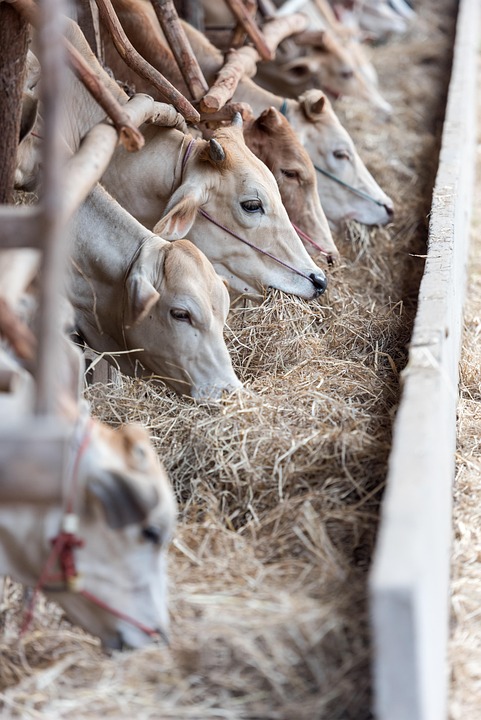
The livestock industry is a cornerstone of agriculture and a key contributor to the global food supply chain. As the world population continues to grow, so does the demand for meat, dairy, and other livestock products. This demand pressures farmers and producers to optimize livestock growth efficiently and sustainably. One of the most effective ways to achieve this is by revolutionizing livestock feeding programs. In this article, we will explore innovative strategies and technologies that can enhance feeding programs, promote optimal growth, and ensure the well-being of livestock.
The Importance of Efficient Feeding Programs
Feeding programs play a pivotal role in the productivity and health of livestock. Proper nutrition is essential not only for growth but also for reproduction, lactation, and disease resistance. An efficient feeding program ensures that animals receive balanced nutrition tailored to their specific needs, which varies based on species, age, weight, and production goals.
Traditional feeding methods often rely on generalized guidelines, which may not address the unique requirements of individual animals or the changing needs throughout different life stages. By adopting advanced feeding strategies, producers can enhance feed conversion rates, reduce waste, and improve overall profitability.
Precision Feeding: The Future of Livestock Nutrition
Understanding Precision Feeding
Precision feeding is an innovative approach that involves customizing the diet of each animal to meet its specific nutritional requirements. This method leverages technology and data analytics to monitor and adjust feeding regimens dynamically. By doing so, producers can minimize overfeeding and underfeeding, leading to healthier and more productive livestock.
Benefits of Precision Feeding
The adoption of precision feeding offers several benefits:
- Optimized Growth: By providing the exact nutrients needed at the right time, animals can achieve optimal growth rates and body condition.
- Improved Feed Efficiency: Precision feeding reduces feed waste and enhances feed conversion ratios, resulting in cost savings.
- Enhanced Health and Welfare: Tailored nutrition supports immune function, reducing the incidence of disease and improving overall animal welfare.
- Environmental Sustainability: Efficient feed use reduces resource consumption and decreases environmental impact by lowering methane emissions and nutrient runoff.
Technological Innovations in Livestock Feeding
Automated Feeding Systems
Automated feeding systems are transforming livestock management by providing precise and consistent feed delivery. These systems utilize sensors and software to monitor animal intake and adjust feeding schedules accordingly. Automated feeders can be programmed to dispense specific feed types and quantities, ensuring that each animal receives the appropriate nutrition.
Data-Driven Decision Making
Data analytics is at the heart of modern livestock feeding programs. By collecting and analyzing data on animal weight, growth rates, and health indicators, producers can make informed decisions about diet formulations and feeding schedules. Predictive analytics can also anticipate nutritional needs and adjust feeding strategies preemptively.
Smart Sensors and Wearables
Smart sensors and wearable devices are increasingly used to monitor livestock health and behavior. These technologies provide real-time data on factors such as activity levels, rumination, and feed intake. By integrating this information into feeding programs, producers can detect early signs of health issues and adjust diets to support recovery and growth.
Optimizing Feed Formulation
Advanced Feed Ingredients
The development of advanced feed ingredients is another area driving the revolution in livestock feeding. Ingredients such as prebiotics, probiotics, and enzymes can enhance digestive efficiency and nutrient absorption. Additionally, alternative protein sources like insect meal and algae are being explored to reduce reliance on traditional feedstocks like soy and corn.
Customized Diets for Different Livestock Species
Different livestock species have unique dietary requirements. Cattle, pigs, poultry, and sheep all have distinct nutritional needs based on their digestive systems and production goals. Customized diets that consider these differences can lead to better growth performance and feed utilization.
The Role of Genetics in Feeding Programs
Genetic advancements are playing a crucial role in shaping livestock feeding programs. Selective breeding for traits such as feed efficiency and growth rate can complement nutrition strategies. By understanding the genetic potential of individual animals, producers can develop feeding programs that maximize growth and productivity.
Challenges and Considerations
Cost Implications
While the benefits of advanced feeding programs are substantial, there are cost considerations to keep in mind. Implementing precision feeding systems and technologies can require significant upfront investment. However, the long-term cost savings from improved feed efficiency and productivity often offset these initial expenses.
Training and Education
The successful implementation of modern feeding programs requires training and education for farmers and farm workers. Understanding how to operate and maintain new technologies, interpret data, and adjust feeding strategies is essential for achieving the desired outcomes.
Conclusion
Revolutionizing livestock feeding programs is a key strategy for optimizing growth and meeting the rising demand for livestock products. By embracing precision feeding, leveraging technological innovations, and optimizing feed formulations, producers can enhance productivity, improve animal welfare, and contribute to environmental sustainability. As the industry continues to evolve, staying informed about the latest advancements and best practices will be crucial for success in livestock management.
#ChatGPT assisted in the creation of this article.