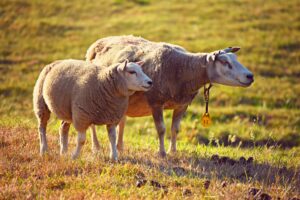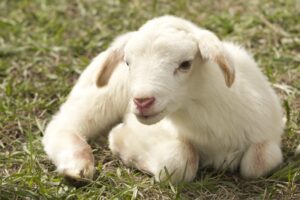

Goat farming has gained popularity among agricultural enthusiasts and small-scale farmers due to its relatively low investment requirements and the versatility of goats. They can be raised for milk, meat, fiber, or even as pets. If you’re a beginner looking to dive into goat farming, this essential guide will provide you with the fundamental knowledge and tips to get started successfully.
Understanding the Basics
Choosing the Right Breed
The first step in goat farming is selecting the appropriate breed for your purpose. Different breeds are suited for different purposes such as milk production, meat, or fiber. For instance, Saanen and Nubian goats are excellent for milk production, Boer goats are popular for meat, and Angora goats are bred for fiber. Research the breeds that align with your goals and consider factors such as climate adaptability and availability.
Preparing the Infrastructure
Proper infrastructure is crucial for successful goat farming. Goats require a clean, dry, and well-ventilated shelter to protect them from adverse weather conditions. The shelter should have enough space for each goat to move comfortably, with separate areas for feeding, milking (if applicable), and resting. Ensure the fencing is secure to keep predators out and prevent the goats from escaping.
Feeding and Nutrition
Nutrition is key to healthy goat farming. A balanced diet consisting of hay, grains, and fresh greens will keep your goats in optimal health. Goats are natural browsers and enjoy a variety of plants, so providing access to pasture can supplement their diet. Additionally, ensure they have access to clean, fresh water at all times. Consider consulting a veterinarian or an animal nutritionist to develop a diet plan tailored to your goats’ needs.
Health and Wellness Management
Regular Health Check-Ups
Regular health check-ups and vaccinations are vital to prevent diseases and ensure the overall well-being of your goats. Work with a veterinarian to establish a health care routine, which should include vaccinations, deworming, and regular inspections for any signs of illness. Early detection of health issues can prevent them from spreading and becoming severe.
Common Health Issues
Being aware of common goat health issues can help you spot problems early. Some common issues include parasites, pneumonia, and foot rot. Understanding the symptoms of these conditions and knowing how to address them is essential. Keeping a first-aid kit and emergency contacts for a veterinarian is advised.
Breeding and Reproduction
Breeding Practices
If you plan to breed goats, understanding the reproductive cycle and breeding practices is important. Goats are seasonal breeders, with most breeding occurring in the fall. Proper management of breeding stock, including selecting healthy and genetically superior animals, will improve the quality of your herd. Record keeping is essential in tracking breeding cycles and offspring.
Kid Care
Caring for newborn kids requires attention and preparation. Ensure the birthing area is clean and quiet, and be ready to assist if necessary. Newborn goats need colostrum, the nutrient-rich first milk from the mother, within the first few hours of life. Monitor their health closely, ensuring they are nursing properly and receiving adequate warmth.
Marketing and Business Aspects
Identifying Your Market
Understanding your target market is crucial for the success of your goat farming venture. Whether you’re producing milk, meat, fiber, or breeding stock, identify potential buyers and outlets for your products. Consider local farmers’ markets, cooperatives, and online platforms as potential sales channels.
Business Planning
Creating a business plan can provide direction and help you set realistic goals. Your plan should outline your objectives, financial projections, marketing strategies, and potential risks. Regularly reviewing and adjusting your plan will help you stay on track and adapt to changing circumstances.
Sustainability and Environmental Considerations
Environmental Impact
Goat farming can be environmentally sustainable if managed properly. Goats are efficient browsers and can help manage overgrown land, reducing the need for mechanical clearing. However, overgrazing can lead to land degradation, so rotational grazing practices and maintaining a balance between herd size and available resources are essential.
Waste Management
Proper waste management practices are vital for maintaining a clean and healthy environment. Composting goat manure can provide valuable fertilizer for crops, reducing the need for chemical fertilizers. Ensure that waste is managed in a way that minimizes environmental impact and complies with local regulations.
Conclusion
Goat farming can be a rewarding venture for beginners willing to invest time and effort into learning and managing their herd. By understanding the basics, focusing on health and nutrition, practicing responsible breeding, and developing a solid business plan, you can establish a successful goat farming operation. Remember, continuous learning and adaptation are key to thriving in this dynamic agricultural field.
#ChatGPT assisted in the creation of this article.