
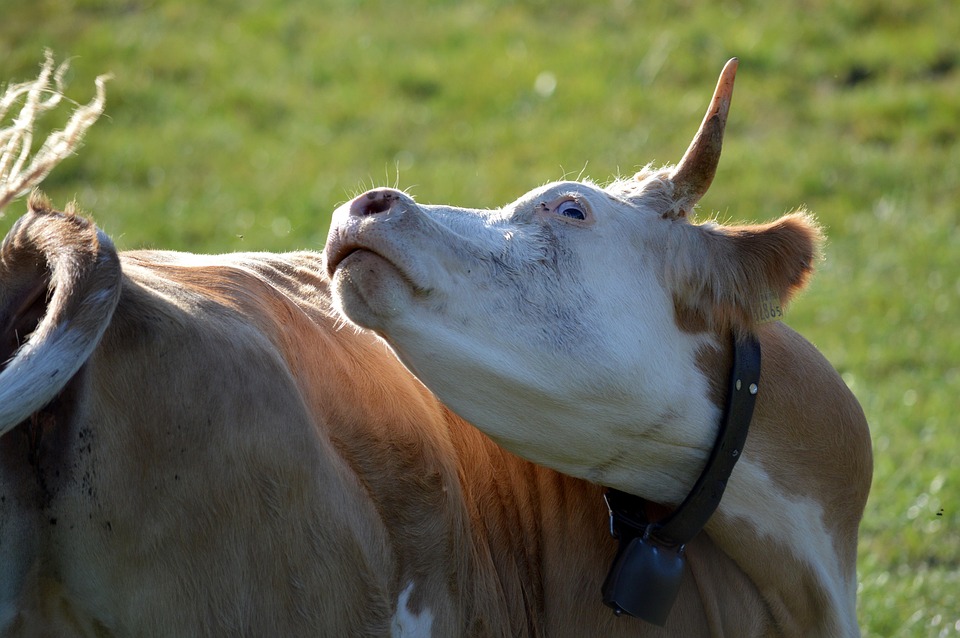
Farm animals play a crucial role in agriculture, providing food, labor, and even companionship. However, just like humans, they are susceptible to a variety of diseases that can significantly impact their health, productivity, and welfare. Understanding these diseases and implementing effective preventive measures is essential for maintaining a healthy and productive livestock population. This article explores some of the top diseases affecting farm animals and provides strategies to prevent them.
Common Diseases in Farm Animals
Bovine Respiratory Disease (BRD)
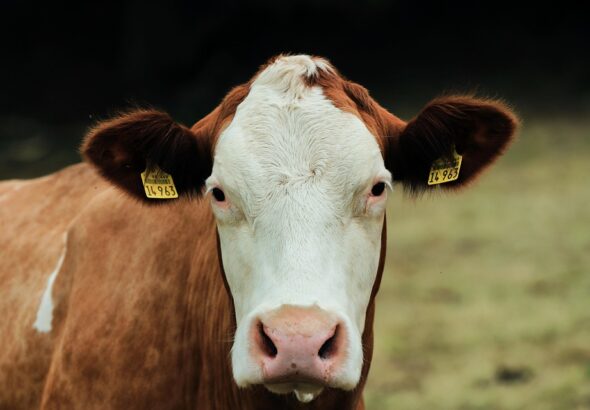
Bovine Respiratory Disease is one of the leading causes of illness in cattle, particularly in feedlots. It is a complex condition caused by a combination of viral and bacterial infections, often exacerbated by stress factors such as transportation and environmental changes.
Prevention Strategies for BRD
– **Vaccination:** Ensure cattle are vaccinated against key viral pathogens like Bovine Viral Diarrhea Virus (BVDV) and Infectious Bovine Rhinotracheitis (IBR).
– **Proper Management Practices:** Reduce stress by improving handling techniques, maintaining comfortable housing, and controlling dust and ventilation.
– **Biosecurity Measures:** Implement strict biosecurity protocols to minimize the introduction and spread of pathogens.
Foot and Mouth Disease (FMD)
Foot and Mouth Disease is a highly contagious viral disease affecting cloven-hoofed animals such as cattle, pigs, sheep, and goats. It causes fever and painful blisters, leading to lameness and reduced productivity.
Prevention Strategies for FMD
– **Vaccination Programs:** Implement regular vaccination schedules to protect against FMD.
– **Movement Control:** Restrict the movement of animals between farms to prevent the disease’s spread.
– **Surveillance and Rapid Response:** Establish surveillance systems to detect outbreaks early and respond swiftly to contain them.
Porcine Reproductive and Respiratory Syndrome (PRRS)
PRRS is a viral disease that affects pigs, causing reproductive failure in breeding stock and respiratory distress in young pigs. It is highly contagious and can lead to significant economic losses in the swine industry.
Prevention Strategies for PRRS
– **Vaccination:** Use vaccines to protect pigs from PRRS virus strains.
– **Biosecurity:** Maintain strict biosecurity measures, including controlling the introduction of new animals and equipment.
– **Environmental Control:** Optimize housing conditions to reduce stress and improve ventilation.
Avian Influenza
Avian Influenza, also known as bird flu, is a viral infection that affects poultry species such as chickens, turkeys, and ducks. It can cause high mortality rates and poses significant risks to the poultry industry.
Prevention Strategies for Avian Influenza
– **Biosecurity Measures:** Implement biosecurity protocols to prevent the introduction of the virus into poultry farms.
– **Monitoring and Surveillance:** Conduct regular monitoring and report any signs of illness immediately.
– **Vaccination:** Use vaccines strategically to protect against circulating strains of the virus.
Mastitis in Dairy Cows
Mastitis is an inflammation of the mammary gland in dairy cows, usually caused by bacterial infections. It affects milk production and quality, leading to economic losses for dairy farmers.
Prevention Strategies for Mastitis
– **Milking Hygiene:** Maintain strict hygiene during milking to prevent bacterial contamination.
– **Proper Nutrition:** Provide balanced diets to support immune function and udder health.
– **Regular Health Checks:** Conduct regular health checks to identify and treat cases promptly.
General Prevention Strategies for Farm Animal Diseases
Vaccination Programs
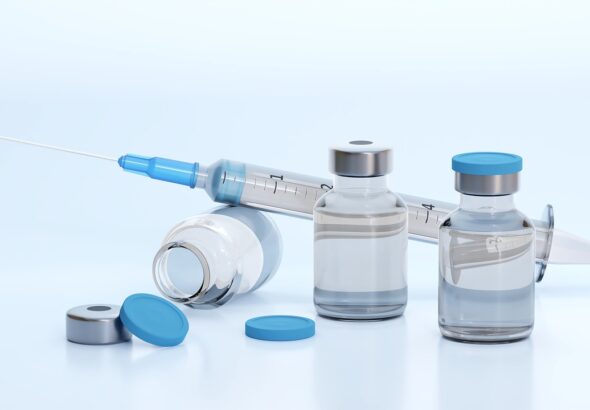
Vaccination is a cornerstone of disease prevention in farm animals. By vaccinating livestock against common pathogens, farmers can significantly reduce the incidence of diseases and improve overall herd health.
Biosecurity Measures
Effective biosecurity practices are essential for preventing the introduction and spread of diseases. This includes controlling access to farms, disinfecting equipment, and quarantining new or sick animals.
Good Nutrition and Management
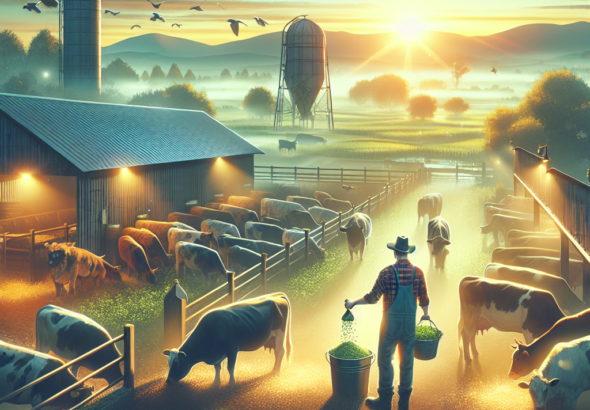
Providing balanced nutrition and maintaining good management practices are fundamental to supporting animal health. Proper feeding, housing, and care can enhance immune function and reduce stress, making animals less susceptible to diseases.
Regular Health Monitoring
Routine health monitoring allows for early detection of diseases and timely intervention. Regular veterinary check-ups, health records, and observation of animal behavior can help identify potential health issues before they become severe.
Environmental Control
Maintaining a clean and comfortable environment is crucial for preventing diseases. Proper ventilation, waste management, and control of pests and vectors are important aspects of environmental control.
Conclusion
Preventing diseases in farm animals is a multifaceted approach that requires a combination of vaccination, biosecurity, good management practices, and regular monitoring. By understanding the common diseases that affect farm animals and implementing effective prevention strategies, farmers can protect the health and productivity of their livestock. This not only ensures the welfare of the animals but also contributes to the sustainability and profitability of the agricultural sector.
“`
#ChatGPT assisted in the creation of this article.