
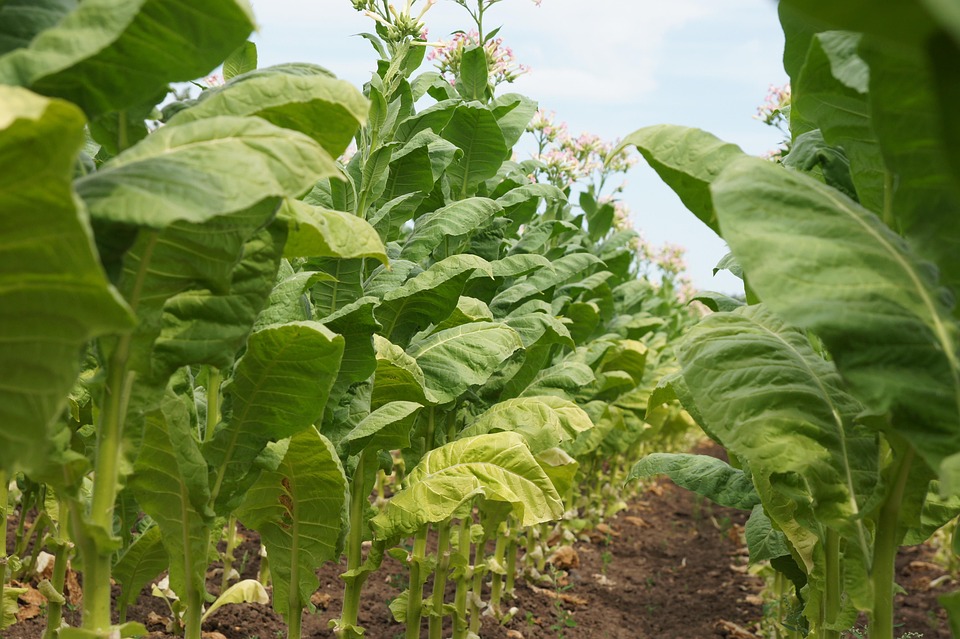
In the ever-evolving agricultural landscape, maximizing profits while maintaining sustainable practices is a key objective for farmers worldwide. One of the strategic approaches to achieving this goal is by leveraging farm subsidy programs. Farm subsidies are government financial benefits provided to farmers to supplement their income, manage the supply of agricultural commodities, and influence the cost and supply of such commodities. Understanding and effectively utilizing these programs can provide a substantial boost to a farm’s profitability. This article will explore top farm subsidy programs and strategies for maximizing profits through their use.
The Importance of Farm Subsidy Programs
Farm subsidy programs play a crucial role in the agricultural sector, offering financial stability and risk management for farmers. These programs are designed to:
1. **Stabilize Farm Income**: By providing financial assistance, subsidies help stabilize farmers’ income, especially in times of market volatility or adverse weather conditions.
2. **Encourage Sustainable Practices**: Many subsidy programs are linked to environmental conservation efforts, encouraging farmers to adopt sustainable agricultural practices.
3. **Support Rural Development**: Subsidies contribute to rural economic development by ensuring that farming remains a viable occupation.
Top Farm Subsidy Programs
1. Direct Payments and Counter-Cyclical Payments
These are traditional forms of subsidies where direct payments are provided to farmers based on historical acreage and yields regardless of the current crop production or market prices. Counter-cyclical payments come into play when market prices fall below target prices set by the government, providing financial relief to farmers.
2. Crop Insurance Programs
Crop insurance is a vital subsidy program that helps farmers manage risk associated with crop loss due to natural disasters or price fluctuations. The government often subsidizes a portion of the insurance premium, making it more affordable for farmers to protect their crops.
3. Conservation Programs
Conservation programs such as the Conservation Reserve Program (CRP) pay farmers to remove environmentally sensitive land from agricultural production and implement conservation practices. These programs not only provide a steady income stream but also promote environmental sustainability.
4. Livestock Disaster Assistance Programs
These programs provide financial assistance to livestock producers who experience significant losses due to natural disasters, ensuring that farmers can recover and continue operations without severe financial strain.
5. Marketing Assistance Loans
Marketing assistance loans offer short-term financing to farmers to help them manage cash flow during the harvest season. These loans allow farmers to store their crops and sell them when market conditions are more favorable, potentially increasing their profit margins.
Strategies to Maximize Profits Using Farm Subsidy Programs
1. Comprehensive Understanding of Available Programs
The first step in maximizing profits through farm subsidy programs is to develop a comprehensive understanding of the programs available. Farmers should stay informed about federal, state, and local programs, as well as any changes or updates to existing programs.
2. Strategic Planning and Management
Farmers should integrate subsidy programs into their overall farm management strategy. This involves planning crop rotations, insurance coverage, and conservation practices in alignment with subsidy eligibility requirements and incentives.
3. Diversification of Crops and Livestock
Diversifying crops and livestock can increase a farm’s eligibility for various subsidy programs and reduce reliance on a single commodity. By spreading risk across different products, farmers can enhance their financial stability and take advantage of multiple subsidy streams.
4. Investing in Technology and Innovation
Utilizing advanced technology and innovative farming practices can improve efficiency and productivity, making it easier to meet environmental and production standards required by subsidy programs. Precision agriculture tools, for instance, can optimize resource use and reduce costs.
5. Collaboration with Agricultural Advisors
Working with agricultural advisors or consultants can provide farmers with valuable insights into optimizing subsidy benefits. These professionals can assist in navigating complex application processes and ensuring compliance with program requirements.
6. Regular Review and Adjustment
Farming is a dynamic industry, and subsidy programs can change over time. Regularly reviewing and adjusting farm operations to align with current subsidy opportunities and market conditions is essential for maximizing profits.
Challenges and Considerations
While farm subsidy programs offer significant benefits, there are challenges and considerations to keep in mind:
1. **Complexity and Bureaucracy**: Navigating the application process and maintaining compliance can be complex and time-consuming. It is crucial for farmers to keep detailed records and documentation.
2. **Market Distortion**: Subsidies can sometimes lead to market distortions, affecting commodity prices and competition. Farmers need to be aware of potential market impacts and plan accordingly.
3. **Dependence on Government Policies**: Changes in government policies can affect the availability and structure of subsidy programs. Farmers should stay informed about policy developments and adjust their strategies as needed.
Conclusion
Farm subsidy programs are invaluable tools for maximizing profits and ensuring the sustainability of farming operations. By understanding the available programs and strategically integrating them into farm management practices, farmers can enhance their financial stability, promote sustainable practices, and contribute to rural development. While challenges exist, careful planning, diversification, and collaboration with experts can help farmers navigate the subsidy landscape effectively. Ultimately, leveraging farm subsidy programs is a critical component in the pursuit of a profitable and resilient agricultural business.
“`
#ChatGPT assisted in the creation of this article.