
Soil erosion is a significant challenge faced by farmers worldwide, threatening agricultural productivity, environmental health, and sustainable farming practices. It occurs when topsoil, the most fertile layer, is displaced by wind, water, or human activity. This not only reduces soil fertility but also contributes to water pollution and sedimentation in water bodies. Implementing effective soil erosion control techniques is vital for preserving soil health, ensuring crop productivity, and maintaining ecological balance. In this article, we will explore the top soil erosion control techniques that farmers can adopt to protect their land and enhance agricultural sustainability.
Understanding Soil Erosion
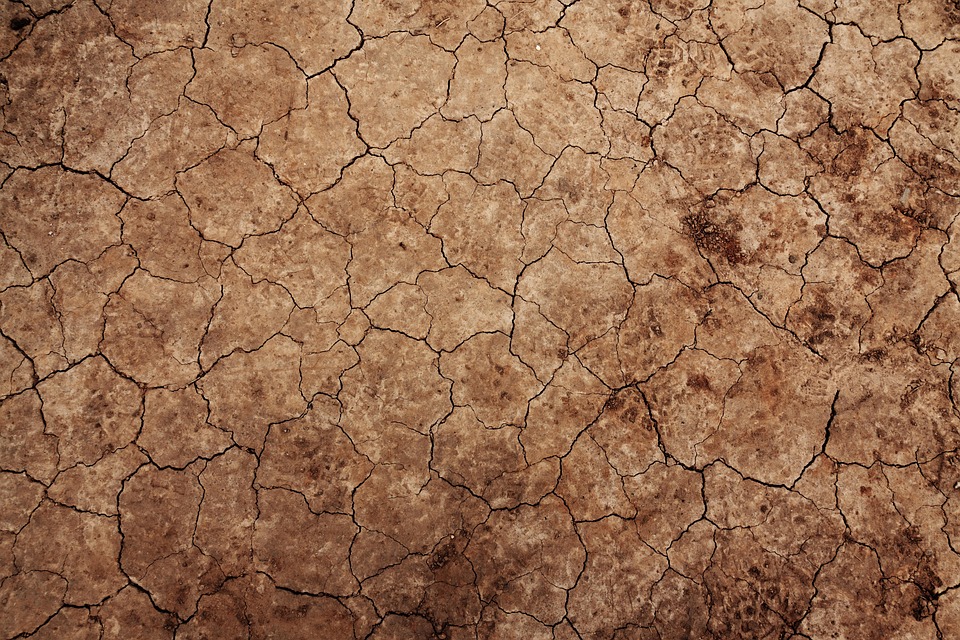
Before diving into erosion control techniques, it is essential to understand the causes and effects of soil erosion. Erosion can be caused by natural factors such as wind and rain, as well as human activities like deforestation, overgrazing, and improper land use. The effects of soil erosion include loss of fertile topsoil, reduced agricultural yields, increased sedimentation in rivers and lakes, and degradation of water quality. Recognizing these effects underscores the importance of implementing effective erosion control measures.
Contour Farming
Contour farming is an erosion control technique that involves plowing and planting crops along the natural contours of the land. This method helps to slow down water runoff, allowing more water to infiltrate the soil rather than washing away the topsoil. By following the natural shape of the land, contour farming creates natural barriers that reduce soil erosion and promote water conservation. This technique is particularly effective on sloped terrain, where water runoff can be a significant problem.
Terracing
Terracing is a method of creating stepped levels on a hillside to reduce soil erosion and surface runoff. By transforming a slope into a series of flat platforms, terraces slow down water flow and provide a stable surface for planting crops. This not only prevents erosion but also allows for efficient water management and increased agricultural productivity. Terracing is commonly used in hilly regions and can be combined with contour farming for enhanced erosion control.
Cover Crops
Planting cover crops is an effective way to protect soil from erosion. Cover crops, such as clover, rye, and vetch, are grown to cover the soil surface during periods when the main crops are not being cultivated. These plants help to hold the soil in place, reduce water runoff, and improve soil structure. Additionally, cover crops contribute organic matter to the soil, enhancing its fertility and water-holding capacity. By preventing soil exposure, cover crops act as a protective shield against erosion.
Windbreaks and Shelterbelts
Wind erosion is a common problem in open fields, particularly in arid and semi-arid regions. Windbreaks and shelterbelts are rows of trees or shrubs planted along the edges of fields to reduce wind speed and protect the soil from erosion. These barriers help to trap wind-blown soil particles, preventing them from being carried away. Additionally, windbreaks can provide habitat for wildlife, improve microclimates, and enhance biodiversity. By reducing wind erosion, farmers can protect their soil and maintain agricultural productivity.
Conservation Tillage
Conservation tillage is a farming practice that minimizes soil disturbance and preserves organic matter. Unlike traditional tillage, which involves turning over the soil, conservation tillage leaves crop residues on the field, providing a protective cover. This residue helps to prevent soil erosion by reducing water runoff and protecting the soil surface from wind and rain. Conservation tillage also enhances soil structure, promotes water infiltration, and improves soil health over time.
Grassed Waterways
Grassed waterways are natural or constructed channels planted with grass to manage water flow and reduce soil erosion. These channels are strategically placed in areas where water runoff is likely to occur, guiding water away from fields and preventing gully formation. The grass cover helps to stabilize the soil, slow down water flow, and filter out sediment and pollutants. By directing water safely, grassed waterways protect the soil and maintain the integrity of the landscape.
Riparian Buffers
Riparian buffers are vegetated areas along water bodies, such as rivers and streams, that help to filter out pollutants and reduce soil erosion. These buffers consist of native plants, grasses, and trees that stabilize the soil and absorb excess nutrients and sediment. By preventing soil erosion and improving water quality, riparian buffers play a crucial role in maintaining healthy aquatic ecosystems. They also provide habitat for wildlife and enhance the aesthetic value of the landscape.
Mulching
Mulching involves covering the soil surface with organic or inorganic materials, such as straw, wood chips, or plastic, to protect it from erosion. Mulch acts as a barrier, reducing water runoff and preventing soil displacement. It also helps to retain soil moisture, regulate soil temperature, and suppress weed growth. By preserving soil integrity and fertility, mulching contributes to sustainable farming practices and enhances crop productivity.
Grazing Management
Overgrazing by livestock can lead to soil erosion and degradation. Implementing proper grazing management practices is essential to prevent these issues. Rotational grazing, for example, involves moving livestock between different pastures to allow vegetation to recover. This practice helps to maintain healthy grass cover, reduce soil compaction, and prevent erosion. By managing grazing effectively, farmers can protect their soil, enhance pasture productivity, and support sustainable livestock farming.
Conclusion
Soil erosion poses a significant threat to agricultural sustainability and environmental health. However, by adopting effective erosion control techniques, farmers can protect their soil, enhance productivity, and contribute to a more sustainable future. From contour farming and terracing to cover crops and windbreaks, each method plays a vital role in combating soil erosion. By understanding the causes and effects of erosion and implementing tailored solutions, farmers can safeguard their land and ensure long-term agricultural success.
With a commitment to sustainable farming practices and a proactive approach to soil conservation, farmers can preserve their most valuable resource: the soil. By investing in erosion control techniques, they not only protect their livelihoods but also contribute to the health and well-being of ecosystems and communities. As stewards of the land, farmers have the power to shape a more sustainable and resilient agricultural landscape for future generations.
#ChatGPT assisted in the creation of this article.