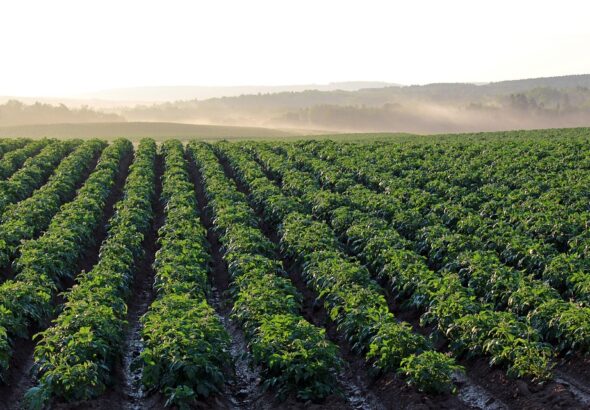


The rainy season offers a unique opportunity for farmers to maximize their yields, given the abundant water supply and favorable growing conditions. However, the increased moisture also presents challenges such as waterlogging and pest outbreaks. To achieve a bumper harvest during this period, farmers need to adopt strategic practices that optimize the benefits of the rainy season while mitigating its risks. This article outlines the top strategies for successful rainy season farming.
1. Selecting the Right Crops
Choosing the appropriate crops is crucial for maximizing yield during the rainy season. Crops that thrive in wet conditions and have a short maturity period are ideal. Opt for varieties that are resistant to diseases prevalent in wet conditions. Examples include rice, maize, millet, sorghum, and certain legumes like cowpeas and soybeans. These crops not only benefit from the surplus water but also align with the climatic conditions of the rainy season, ensuring optimal growth.
1.1 Consideration of Local Climate
It’s important to select crops that are well-suited to your local climate and soil conditions. Consult with local agricultural extension services to get insights into the best crop varieties for your region. This ensures that the crops you plant are resilient to local weather patterns and soil characteristics.
2. Soil Preparation and Management
Proper soil preparation is a cornerstone of successful farming, especially during the rainy season. Start by testing your soil to understand its nutrient content and pH levels. This information will guide you in amending the soil to meet the specific needs of the crops you plan to grow.
2.1 Enhancing Soil Drainage
Excessive water can lead to waterlogging, which is detrimental to plant roots. To prevent this, employ techniques such as raised beds or ridges to improve drainage. Incorporating organic matter like compost can also enhance the soil’s structure, making it more porous and capable of draining excess water.
2.2 Nutrient Management
Rain can leach nutrients from the soil, making it essential to adopt effective nutrient management strategies. Applying slow-release fertilizers and organic amendments can ensure a steady supply of nutrients throughout the growing season. Additionally, practicing crop rotation and intercropping can enhance soil fertility naturally.
3. Efficient Water Management
While the rainy season provides ample water, managing this resource efficiently is critical to prevent issues like waterlogging and erosion.
3.1 Rainwater Harvesting
Implement rainwater harvesting techniques to capture and store excess rainwater. This can be used during dry spells within the rainy season, ensuring a consistent water supply for your crops. Simple systems like barrels or more sophisticated structures like ponds can be employed based on your farm’s scale and resources.
3.2 Irrigation Adjustments
Adjust your irrigation practices based on rainfall patterns. Over-irrigation during heavy rains can harm plants, so monitor soil moisture levels and adjust watering schedules accordingly. Investing in soil moisture sensors can automate this process, ensuring crops receive just the right amount of water.
4. Pest and Disease Control
The rainy season often sees a spike in pest and disease activity due to the humid conditions. Implementing integrated pest management (IPM) strategies can help mitigate these risks.
4.1 Biological Control
Utilize beneficial insects and other biological agents to control pest populations naturally. This reduces reliance on chemical pesticides, which can be harmful to the environment and non-target organisms.
4.2 Disease-Resistant Varieties
Plant disease-resistant crop varieties to minimize the impact of common rainy-season diseases. Engage with local agricultural research institutions to identify the best varieties suited to your region.
5. Regular Monitoring and Maintenance
Constant vigilance and maintenance are essential to ensure a successful harvest. Regularly inspect crops for signs of stress, pest infestations, or disease symptoms. Early detection allows for swift intervention, minimizing potential damage.
5.1 Scouting and Record Keeping
Conduct regular scouting missions in your fields to assess plant health and environmental conditions. Maintain detailed records of these observations to identify trends and make informed management decisions.
6. Leveraging Technology
Technology can play a significant role in enhancing rainy season farming. Employ precision agriculture tools such as GPS mapping, drones, and mobile apps to streamline farm operations and improve efficiency. These technologies can offer real-time data on weather patterns, soil conditions, and crop health, enabling you to make precise and timely decisions.
6.1 Precision Farming Tools
Invest in precision farming tools that can help automate tasks such as irrigation, fertilization, and pest control. These tools can lead to significant resource savings and ensure optimal crop growth conditions.
7. Community and Expert Collaboration
Collaborate with fellow farmers and agricultural experts to share knowledge and resources. Participating in local farming cooperatives or online forums can provide access to a wealth of information and support networks. Additionally, attending workshops and training sessions can keep you updated on the latest farming technologies and practices.
Conclusion
Rainy season farming presents both opportunities and challenges. By implementing these strategies, farmers can optimize their operations to take full advantage of the favorable conditions while minimizing potential risks. From selecting the right crops and preparing the soil to leveraging technology and collaborating with experts, these practices form a comprehensive approach to achieving a bumper harvest. Embracing these strategies not only enhances productivity but also contributes to sustainable farming practices that benefit both the environment and the community.
#ChatGPT assisted in the creation of this article.