Successful farming hinges significantly on understanding and mastering the nuances of seasonal crop planting. By aligning agricultural practices with the natural rhythms of the environment, farmers can enhance productivity, optimize yield, and promote sustainable farming. This comprehensive guide delves into the intricacies of seasonal crop planting, offering insights and strategies for maximizing output across different climate zones.
Understanding Seasonal Planting
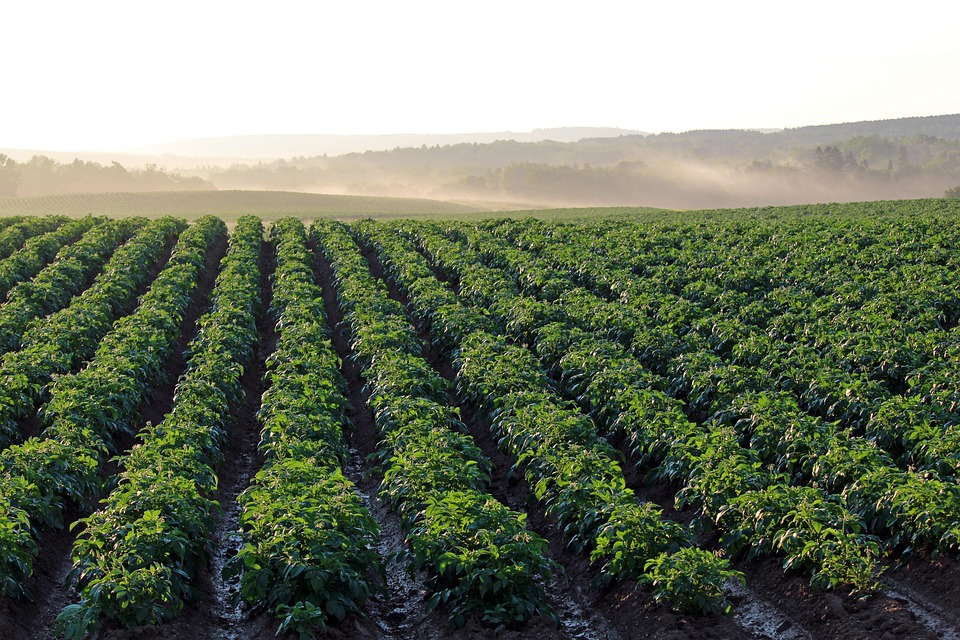
Seasonal planting involves scheduling crop sowing and harvesting based on the climatic patterns of a region. Different crops thrive in varying conditions, and understanding these preferences is key to optimizing growth and yield. Factors such as temperature, rainfall, and daylight hours all play crucial roles in determining the appropriate planting season for each crop. By aligning planting schedules with these natural cycles, farmers can create optimal conditions for crop growth, thereby enhancing productivity and sustainability.
Benefits of Seasonal Planting
Improved Yield
One of the primary benefits of seasonal planting is improved yield. Crops planted in their ideal season are less susceptible to disease and pest infestations, leading to healthier plants and higher productivity. This approach also reduces the need for artificial interventions such as pesticides, further promoting sustainability.
Resource Optimization
Seasonal planting allows farmers to make the most of natural resources such as rainfall and sunlight. By harnessing these elements, farmers can reduce reliance on irrigation and artificial lighting, thereby minimizing operational costs and environmental impact.
Environmental Sustainability
Aligning planting schedules with seasonal patterns supports environmental sustainability by reducing the carbon footprint of farming practices. This approach minimizes the need for energy-intensive interventions and fosters biodiversity by promoting crop rotation and diversity.
Key Factors in Seasonal Planting
Climate Zones
Understanding the specific climate zone of your farm is crucial for effective seasonal planting. Different regions have distinct climatic patterns that influence the growing conditions for crops. Climate zones are generally categorized into tropical, subtropical, temperate, and polar, each offering unique opportunities and challenges for farmers.
Crop Selection
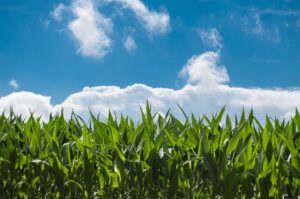
Selecting the right crops for each season is essential for maximizing yield. Warm-season crops such as tomatoes, peppers, and corn thrive in the heat of summer, while cool-season crops like lettuce, broccoli, and carrots prefer the milder temperatures of spring and fall. Understanding the growing requirements of each crop and matching them to the appropriate season is key to successful farming.
Soil Preparation
Preparing the soil for planting is a critical step in seasonal farming. Soil quality directly impacts plant health and yield, and proper preparation can enhance its fertility and structure. This involves testing soil pH, enriching it with organic matter, and ensuring proper drainage to create an ideal environment for crop growth.
Strategies for Mastering Seasonal Planting
Crop Rotation
Crop rotation involves alternating the types of crops grown in a particular area from season to season. This practice helps prevent soil nutrient depletion, reduces pest and disease buildup, and enhances soil structure and fertility. By strategically rotating crops, farmers can maintain soil health and boost productivity across the seasons.
Succession Planting
Succession planting is a technique that involves planting multiple rounds of crops in the same space at different times. This approach maximizes the use of available land and extends the harvest season, ensuring a continuous supply of fresh produce. By carefully planning succession planting schedules, farmers can optimize yield and improve resource efficiency.
Intercropping
Intercropping involves growing two or more crops in proximity to each other, maximizing the use of available space and resources. This practice can enhance biodiversity, improve soil health, and reduce pest and disease pressure. By carefully selecting complementary crops and aligning their planting schedules, farmers can create a harmonious and productive agricultural ecosystem.
Utilizing Technology
Advances in agricultural technology provide valuable tools for mastering seasonal planting. Weather forecasting services, soil sensors, and crop management software offer real-time data and insights to inform planting decisions. By leveraging these technologies, farmers can optimize planting schedules, monitor crop health, and respond proactively to environmental changes.
Case Studies: Successful Seasonal Planting
Case Study 1: Sustainable Farming in the Tropics
In tropical regions, farmers have successfully implemented seasonal planting strategies to optimize yield and promote sustainability. By selecting heat-tolerant crops and aligning planting schedules with the rainy and dry seasons, these farmers have minimized water usage and improved crop resilience. Additionally, the use of intercropping and crop rotation has enhanced soil health and biodiversity, fostering a thriving agricultural ecosystem.
Case Study 2: Maximizing Yield in Temperate Zones
In temperate zones, farmers have achieved remarkable results by mastering seasonal planting. By taking advantage of the distinct seasons, these farmers have strategically planned planting schedules to ensure continuous crop production throughout the year. The integration of succession planting and technology-driven monitoring systems has further optimized yield and resource efficiency, contributing to successful and sustainable farming practices.
Conclusion
Mastering seasonal crop planting is a dynamic and rewarding endeavor that holds the key to sustainable and productive farming. By understanding climate zones, selecting appropriate crops, and implementing strategic planting techniques, farmers can harness the natural rhythms of the environment to achieve optimal yields. As the agricultural landscape continues to evolve, embracing seasonal planting practices will be essential for ensuring food security, environmental sustainability, and economic viability in the farming industry.
#ChatGPT assisted in the creation of this article.