
Embarking on the journey of cultivating your own garden is both an exciting and rewarding endeavor. However, understanding the nuances of seasonal planting is crucial to ensure your success as a beginner gardener. This guide aims to provide you with essential insights into seasonal planting, enabling you to cultivate a thriving garden throughout the year.
Understanding Seasonal Planting
Seasonal planting refers to the practice of sowing seeds and cultivating plants in accordance with their natural growing cycles. This approach not only maximizes crop yield but also promotes resource efficiency and sustainability. Each plant species has specific temperature, light, and moisture requirements that align with certain seasons, making it essential for gardeners to plan accordingly.
Preparing Your Garden
Before delving into the specifics of seasonal planting, it’s important to prepare your garden. This involves selecting an appropriate location, ensuring well-drained soil, and considering factors such as sunlight and water availability. Begin by clearing any debris and weeds from the area, and enrich the soil with organic matter such as compost or well-rotted manure to enhance fertility.
Spring Planting
Overview
Spring is a time of renewal and growth, making it an ideal season for planting a wide variety of crops. As temperatures rise and daylight hours increase, plants receive the necessary conditions to thrive. Spring planting generally begins after the last frost date in your region, which varies depending on your geographical location.
Vegetables
Some of the best vegetables to plant in spring include:
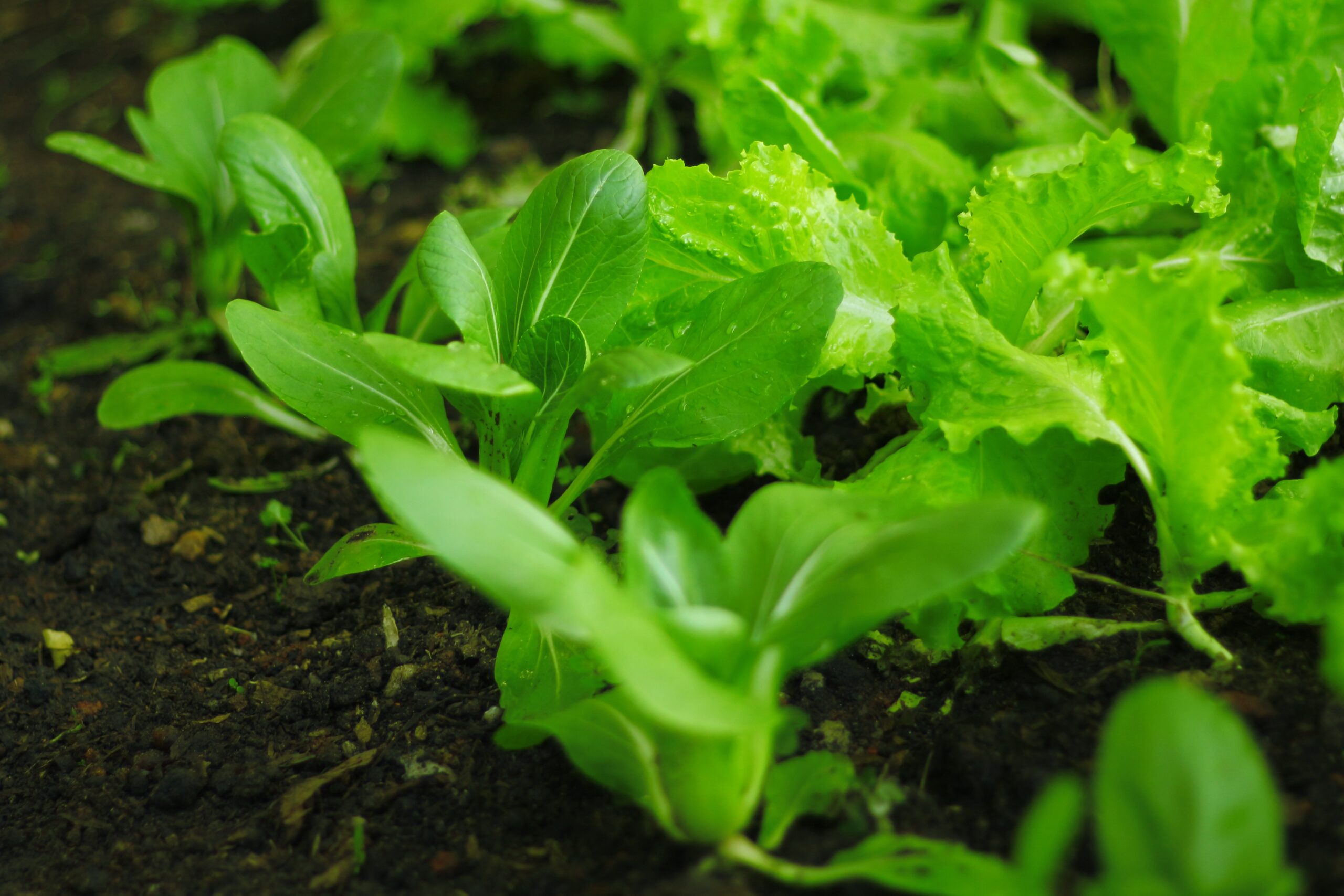
- Leafy Greens: Lettuce, spinach, and kale are fast-growing crops that can be sown directly into the soil.
- Root Vegetables: Carrots, radishes, and beets can be planted early in spring for a bountiful harvest.
- Peas and Beans: These legumes thrive in the cool temperatures of early spring and add nitrogen to the soil, benefiting future crops.
Flowers
Spring is also the time to plant vibrant flowers that will bloom throughout the season. Consider planting:
- Daffodils and Tulips: These bulbs are best planted in the fall but will burst into beautiful blooms as spring arrives.
- Pansies and Violas: These hardy flowers can withstand cooler temperatures and add splashes of color to your garden.
Summer Planting
Overview
As spring transitions into summer, the longer days and warmer temperatures create optimal conditions for certain crops. Summer planting focuses on heat-loving plants that require ample sunlight and consistent watering.
Vegetables
For a successful summer harvest, consider planting:
- Tomatoes: These sun-loving fruits require support as they grow and should be watered deeply and consistently.
- Peppers: Bell peppers and hot peppers thrive in the heat and can be planted alongside tomatoes.
- Cucumbers: These vining plants appreciate warm weather and can be trained to grow vertically to save space.
Flowers
Summer is the perfect time to plant annuals that flourish in the sun. Consider adding:
- Sunflowers: These towering blooms are a favorite among gardeners and can add a dramatic flair to your landscape.
- Zinnias: Known for their vibrant colors, zinnias are easy to grow and attract pollinators.
Fall Planting
Overview
Fall is a transitional season that prepares your garden for winter and the following spring. Cooler temperatures and increased rainfall provide favorable conditions for certain crops to establish themselves before winter arrives.
Vegetables
Some vegetables to plant in the fall include:
- Garlic: Plant garlic cloves in the fall for a harvest the following summer.
- Brussels Sprouts: These hardy plants benefit from a fall planting and will develop sweeter flavors after exposure to frost.
- Broccoli and Cauliflower: These cool-weather crops thrive in the fall and can provide a bountiful harvest before winter.
Flowers
Consider planting the following flowers to enjoy fall blooms:
- Mums: Chrysanthemums are quintessential fall flowers that add warmth and color to your garden.
- Asters: These daisy-like flowers bloom in late summer and fall, attracting butterflies and other pollinators.
Winter Planting
Overview
Winter presents unique challenges for gardeners, as colder temperatures and shorter days limit planting options. However, with proper planning and protection, certain crops can be cultivated during this season.
Vegetables
Consider growing the following winter-hardy crops:
- Kale: This nutrient-rich leafy green can withstand frosty conditions and continue to produce throughout winter.
- Spinach: Spinach can be sown in late fall and will provide fresh greens even in cold weather.
Protective Measures
To extend the growing season and protect your crops during winter, consider using row covers, cold frames, or greenhouses. These structures provide insulation and shield plants from harsh weather conditions.
Conclusion
Understanding and implementing seasonal planting techniques is essential for beginners seeking to cultivate a successful garden year-round. By aligning your planting schedule with the natural cycles of each season, you can optimize growth, enhance yields, and enjoy the fruits of your labor. Remember to consider your local climate and weather patterns when planning your garden, and don’t hesitate to experiment with different crops to discover what works best for your specific conditions. Happy gardening!
#ChatGPT assisted in the creation of this article.