
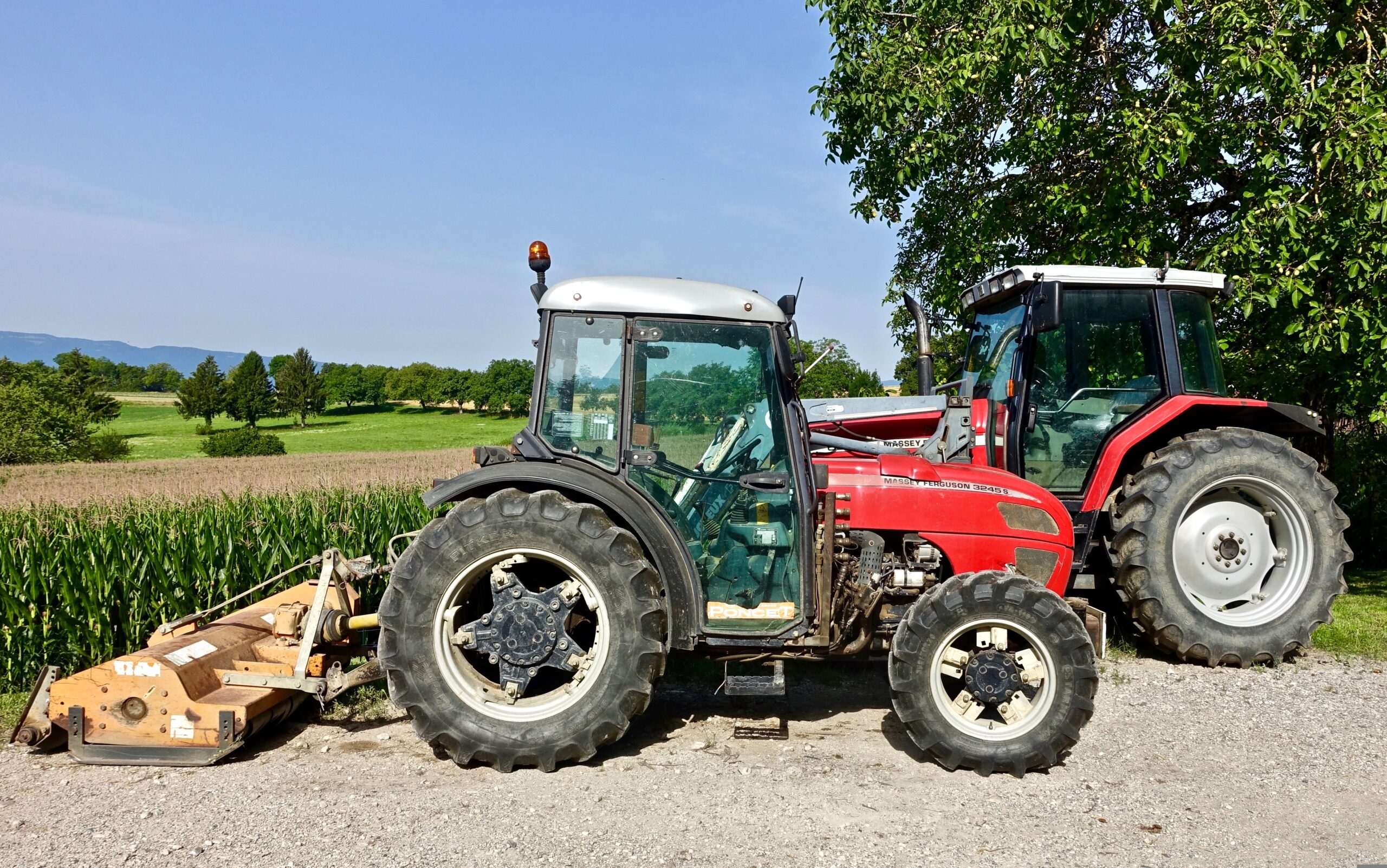
As the global population continues to surge, the demand for food production intensifies. Conventional farming systems, while historically effective, are increasingly scrutinized for their environmental impact and sustainability weaknesses. Integrated Farming Systems (IFS) emerge as a beacon of hope, presenting innovative solutions to boost sustainability and productivity in agriculture. This article delves into how these systems can revolutionize farming practices, ensuring a balance between environmental health and agricultural productivity.
Understanding Integrated Farming Systems
Integrated Farming Systems are holistic approaches that combine multiple agricultural practices within a single farm. The core idea is to create a symbiotic environment where various components of the farm, such as crops, livestock, and aquaculture, interact beneficially. This integration aims to enhance resource efficiency, minimize waste, and promote sustainability.
The Components of Integrated Farming Systems
Crop-Livestock Integration
One of the most common forms of integration involves combining crop production with livestock rearing. This system allows the sharing of resources, such as using animal manure as fertilizer, which enhances soil fertility and reduces the need for chemical inputs. In return, crop residues can serve as feed for livestock, thus creating a closed-loop system that minimizes waste.
Crop-Aquaculture Integration
Crop-aquaculture integration involves using water resources efficiently by cultivating fish or other aquatic species alongside crops. This not only optimizes water use but also provides additional income streams for farmers. Nutrients from fish waste can be used to fertilize crops, while plants help in maintaining water quality, creating a mutually beneficial environment.
Agroforestry
Agroforestry integrates trees and shrubs into agricultural landscapes. This practice offers numerous benefits, including enhanced biodiversity, improved soil structure, and carbon sequestration. Trees provide shade and shelter for crops and livestock, reduce erosion, and contribute to water conservation efforts.
Benefits of Integrated Farming Systems
Environmental Sustainability
Integrated Farming Systems significantly contribute to environmental sustainability. By reducing reliance on chemical fertilizers and pesticides, these systems minimize pollution and enhance biodiversity. Additionally, the closed-loop nature of IFS helps in recycling nutrients and reducing waste, fostering a healthier ecosystem.
Economic Resilience
Diversification is a key economic benefit of Integrated Farming Systems. By integrating multiple enterprises, farmers can spread their risk and stabilize income streams. For instance, if crop prices fall, farmers can rely on livestock or aquaculture for income, thereby increasing their economic resilience against market fluctuations and climate-related challenges.
Resource Efficiency
Resource optimization is at the heart of Integrated Farming Systems. These systems make efficient use of water, land, and nutrients, thereby reducing input costs and enhancing productivity. By leveraging the natural synergies between different farming components, IFS maximizes resource use efficiency.
Challenges in Implementing Integrated Farming Systems
Despite their numerous benefits, Integrated Farming Systems face several challenges. The complexity of managing multiple components requires a deep understanding and skillset, which may not be readily available to all farmers. Initial setup costs can be high, and access to adequate resources and technology may be limited in certain regions. Additionally, there may be cultural and policy barriers that hinder the adoption of integrated approaches.
Innovations Driving Integrated Farming Systems
Precision Agriculture
Precision agriculture technologies are pivotal in optimizing integrated farming practices. Tools such as GPS mapping, drones, and sensors enable farmers to monitor and manage their resources with precision, ensuring that each component of the system functions optimally. This technology-driven approach enhances decision-making and improves overall system efficiency.
Biotechnological Advancements
Biotechnology plays a crucial role in advancing Integrated Farming Systems. Genetic engineering and microbial technologies can improve crop resilience and productivity, while innovations in livestock breeding can enhance animal health and output. Biotechnological solutions contribute to the sustainability and scalability of IFS.
Policy and Education Initiatives
Policy frameworks and educational initiatives are essential for promoting the adoption of Integrated Farming Systems. Governments and agricultural organizations can provide support through subsidies, training programs, and research investments. Educating farmers about the benefits and management of IFS is crucial for widespread acceptance and implementation.
Case Studies: Success Stories of Integrated Farming Systems
India’s Integrated Rice-Fish System
In India, integrated rice-fish farming has gained popularity as a sustainable practice. Farmers cultivate fish in rice paddies, where fish help control pests and weeds, reducing the need for chemical inputs. This system has improved food security and increased income for smallholder farmers while promoting biodiversity.
Agroforestry in Central America
Agroforestry systems in Central America have demonstrated significant environmental and economic benefits. By integrating trees with crops, farmers have improved soil fertility and reduced erosion. The diverse products from agroforestry, including fruits, timber, and spices, provide multiple income streams and enhance food security.
Future Prospects of Integrated Farming Systems
The future of agriculture lies in sustainable practices that can meet the growing global demand for food while preserving the environment. Integrated Farming Systems offer a promising path forward. With continued innovations in technology and increased awareness of sustainable practices, IFS can become a mainstream agricultural model. By fostering collaborations between governments, researchers, and farmers, the potential of IFS can be fully realized, paving the way for a more sustainable and resilient global food system.
Conclusion
Integrated Farming Systems represent a paradigm shift in agricultural practices, emphasizing sustainability, resource efficiency, and economic resilience. By integrating various farming components, these systems create synergistic relationships that benefit both the environment and farmers. While challenges exist, innovations in technology, policy, and education provide the tools necessary for successful implementation. As the world seeks sustainable solutions to food security challenges, Integrated Farming Systems offer a viable and promising approach to achieving a balance between productivity and environmental stewardship.
#ChatGPT assisted in the creation of this article.