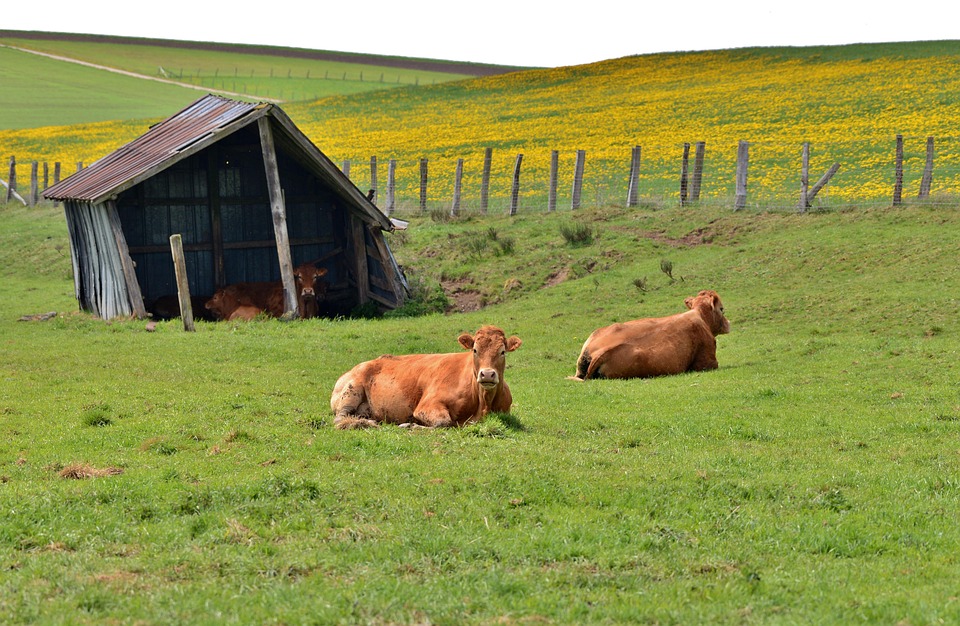
Ensuring a healthy cattle herd is pivotal for any livestock farmer. Integral to this is the design of the cattle shed, which directly impacts the wellbeing of the animals. A well-designed cattle shed not only provides a comfortable living environment for the cattle but also enhances productivity, reduces disease incidence, and simplifies management practices. This article explores various elements of optimizing cattle shed design to promote healthier herds.
Location and Orientation
Selecting the right location and orientation for a cattle shed is the first step towards optimizing its design. The site should be well-drained to prevent waterlogging, which can lead to hoof problems and increased disease. Moreover, the shed should be oriented in a way that maximizes natural light and ventilation. North-South orientation is often recommended to ensure maximum sunlight exposure throughout the day, which helps in maintaining hygiene and reducing moisture levels.
Ventilation and Air Quality
Proper ventilation is crucial for maintaining air quality within the shed. Poor ventilation can lead to the accumulation of ammonia and other harmful gases, which can cause respiratory problems and stress in cattle. The shed design should include sufficient openings, such as windows and vents, to facilitate the free flow of fresh air. Implementing ridge vents or sidewall openings can help in maintaining air circulation, keeping the environment fresh and reducing the risk of airborne diseases.
Space and Layout
Providing Ample Space
Each animal needs adequate space to move, lie down, and access feed and water comfortably. Overcrowding can lead to stress and aggression, which negatively impacts the health and productivity of the herd. The design should allocate sufficient space per animal based on its size and breed, ensuring a stress-free environment.
Efficient Layout
The layout of the cattle shed should facilitate easy movement of animals and handlers. A logical flow from feeding areas to resting and milking zones minimizes stress and maximizes efficiency. Providing separate pens for different groups, such as lactating cows, heifers, and calves, helps in managing the herd effectively.
Bedding and Flooring
Comfortable Bedding
The choice of bedding material significantly impacts the comfort and health of cattle. Materials such as straw, sand, or rubber mats not only provide comfort but also reduce the risk of injuries. Regular cleaning and replenishment of bedding materials are essential to maintain hygiene.
Non-Slip Flooring
Flooring should be non-slip to prevent injuries and hoof problems. Concrete floors should have a textured finish or rubber coverings to ensure a safe walking surface. Sloped floors can help in effective drainage of waste and water, maintaining a dry environment.
Feeding and Watering Systems
Efficient Feeding Systems
The design of feeding systems should ensure easy access to feed for all animals, minimizing competition and aggression. Providing adequate space at the feed bunk and designing it at a comfortable height for the cattle helps in maximizing feed intake and reducing stress.
Reliable Water Supply
A constant and clean water supply is essential for cattle health. Water troughs should be easily accessible, regularly cleaned, and positioned to prevent contamination. Automated watering systems can ensure a consistent supply and reduce manual labor.
Lighting
Adequate lighting is vital for maintaining cattle health and productivity. Natural lighting is preferred, but supplemental artificial lighting may be necessary in enclosed spaces or during shorter daylight periods. Proper lighting supports the circadian rhythms of cattle, enhancing their overall wellbeing.
Biosecurity Measures
Implementing biosecurity measures in the shed design is crucial to prevent disease outbreaks. This includes designing entry and exit points to control movement, providing facilities for cleaning and disinfection, and ensuring separation of different cattle groups to minimize disease transmission.
Environmental Considerations
Waste Management
Efficient waste management is essential to maintain hygiene and reduce environmental impact. Designing the shed with appropriate waste collection and disposal systems, such as manure pits or composting areas, helps in managing waste effectively.
Energy Efficiency
Sustainable shed designs incorporate energy-efficient practices, such as solar panels for lighting and heating water. Reducing energy consumption not only lowers operational costs but also contributes to environmental sustainability.
Conclusion
Optimizing cattle shed design is a multifaceted approach that considers animal welfare, operational efficiency, and environmental sustainability. By focusing on aspects such as location, ventilation, space, and biosecurity, farmers can create an environment that promotes the health and productivity of their herds. Investing in a well-designed cattle shed is a step towards ensuring a successful and sustainable livestock operation.
#ChatGPT assisted in the creation of this article.