
Raising poultry can be both a rewarding and profitable venture if managed correctly. The foundation of successful poultry farming lies in an efficient coop setup. An optimized poultry coop not only ensures the well-being of your birds but also enhances productivity, reduces costs, and maximizes your overall return on investment. In this article, we will explore key strategies to optimize your poultry coop setup for maximum efficiency.
Understanding the Basics of Poultry Coop Design
Before delving into optimization techniques, it’s crucial to understand the fundamental aspects of poultry coop design. A well-designed coop serves several essential functions: it provides shelter, protects birds from predators, ensures adequate ventilation, and offers enough space for the birds to move comfortably. Consider the following elements when designing your coop:
Location and Orientation
Selecting the right location for your poultry coop is vital. Choose a site with good drainage to prevent water accumulation, which can lead to dampness and disease. The coop should also be positioned to maximize sunlight exposure, particularly during the colder months. This helps maintain warmth and reduces reliance on artificial heating.
Size and Space Requirements
Providing adequate space is essential for the health and productivity of your poultry. Overcrowding can lead to stress, increased disease transmission, and lower egg production. As a general guideline, allow at least 2-3 square feet of indoor space per bird, and 8-10 square feet of outdoor space in the run.
Ventilation
Proper ventilation is crucial to maintaining good air quality inside the coop. It helps control moisture levels, reduces ammonia buildup from droppings, and ensures a steady supply of fresh air. Incorporate adjustable vents or windows that can be opened or closed depending on the weather conditions.
Optimizing Coop Layout for Efficiency
Once the basic design elements are in place, focus on optimizing the layout of your coop to enhance efficiency. A well-organized coop minimizes labor, maximizes resource utilization, and ensures the comfort of your birds.
Nesting Boxes
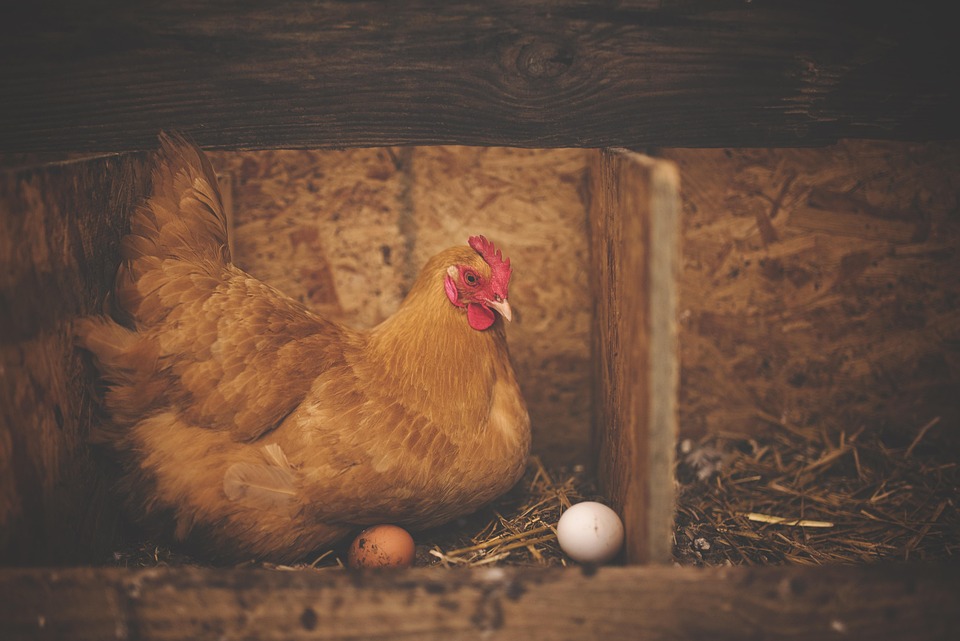
Nesting boxes are essential for laying hens. Position them in a quiet, dimly lit area of the coop to encourage egg laying. Ensure the boxes are easily accessible for both the birds and for you when collecting eggs. A general rule is to provide one nesting box for every 3-4 hens.
Roosting Bars
Roosting bars should be installed at varying heights to accommodate the birds’ preference for sleeping off the ground. Ensure there is enough linear space for each bird (about 6-10 inches per bird) to prevent overcrowding on the roosts.
Feeders and Waterers
Proper placement of feeders and waterers can significantly impact the efficiency of your coop. Position them at a height where birds can comfortably reach them without spilling. Regularly clean and refill to maintain hygiene and ensure a constant supply of food and water.
Incorporating Sustainable Practices
Sustainability is becoming an increasingly important aspect of modern farming. By incorporating eco-friendly practices into your poultry coop setup, you can reduce your environmental footprint and enhance efficiency.
Solar Power
Consider using solar panels to power lighting, heating, and ventilation systems in your coop. Solar power is a renewable energy source that can reduce electricity costs and provide a reliable power supply, particularly in remote areas.
Rainwater Harvesting
Implementing a rainwater harvesting system can provide a sustainable water source for your poultry. Collect rainwater from the coop roof and store it in tanks for use in watering the birds and cleaning the coop.
Composting
Composting poultry manure is an excellent way to recycle waste and produce nutrient-rich fertilizer for crops. Set up a composting system near your coop to manage waste effectively and reduce disposal costs.
Implementing Biosecurity Measures
Biosecurity is a critical component of poultry management, aimed at preventing the introduction and spread of diseases. A well-optimized coop setup incorporates robust biosecurity measures to protect your flock.
Access Control
Limit access to the coop and surrounding areas to essential personnel only. Implement footbaths, hand sanitizers, and protective clothing to minimize the risk of disease transmission from people and equipment.
Pest Management
Regularly inspect the coop for signs of pests such as rodents, mites, and lice. Implement preventive measures such as sealing entry points, using traps, and maintaining cleanliness to keep these pests at bay.
Vaccination and Health Monitoring
Ensure your birds are vaccinated against common poultry diseases and conduct regular health checks to monitor for any signs of illness. Early detection and treatment are crucial to preventing the spread of disease within your flock.
Maintenance and Regular Upkeep
Regular maintenance and upkeep are essential to ensure the long-term efficiency and functionality of your poultry coop. Develop a routine schedule for cleaning, repairs, and inspections to address any issues promptly.
Cleaning Schedule
Establish a regular cleaning schedule to maintain a hygienic environment for your birds. This includes cleaning nesting boxes, roosting bars, feeders, and waterers, as well as removing droppings and replacing bedding.
Structural Inspections
Conduct periodic inspections of the coop structure to identify any damage or wear that may compromise its integrity. Repair or replace damaged components promptly to prevent further deterioration.
Record Keeping
Maintain accurate records of your flock’s health, egg production, feed consumption, and any maintenance activities. This information is invaluable for monitoring trends, identifying issues, and making informed management decisions.
Conclusion
Optimizing your poultry coop setup for maximum efficiency involves careful planning, thoughtful design, and ongoing maintenance. By implementing the strategies outlined in this article, you can create a productive and sustainable environment for your poultry, ultimately leading to increased profitability and satisfaction in your farming endeavors. Remember, the success of your poultry operation begins with an efficient coop setup.
#ChatGPT assisted in the creation of this article.