
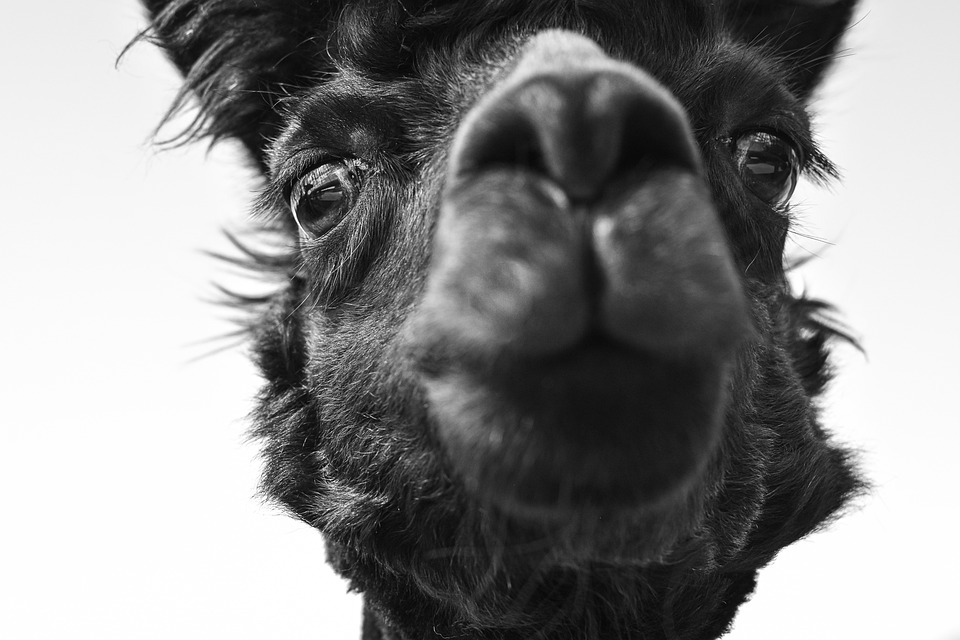
In recent years, the focus on animal welfare has gained unprecedented momentum. As society becomes more conscious of ethical treatment, industries involved in livestock and animal care are striving to elevate their standards. With 2023 ushering in new guidelines and practices, understanding the top standards for animal welfare has never been more crucial. This article delves into the latest advancements and best practices that define the field today, ensuring a humane approach to animal care and management.
Understanding Animal Welfare
Animal welfare refers to the well-being of animals and encompasses various aspects, including their physical health, psychological state, and the ability to express natural behaviors. The ultimate goal is to ensure that animals are not only free from suffering and distress but also able to enjoy a good quality of life. This comprehensive approach necessitates a balance between ethical considerations, scientific understanding, and practical implementation.
The Five Freedoms Framework
A foundational concept in animal welfare is the Five Freedoms framework, which outlines essential conditions that should be met for animals under human care:
1. Freedom from Hunger and Thirst: Ensuring access to fresh water and a diet that maintains full health.
2. Freedom from Discomfort: Providing appropriate environments, including shelter and comfortable resting areas.
3. Freedom from Pain, Injury, or Disease: Preventing or rapidly diagnosing and treating health issues.
4. Freedom to Express Normal Behavior: Supplying sufficient space, proper facilities, and social interaction.
5. Freedom from Fear and Distress: Avoiding mental suffering through appropriate management and housing.
While the Five Freedoms serve as an excellent foundation, the evolving understanding of animal welfare has led to the development of more nuanced and comprehensive standards.
Top Standards for Animal Welfare in 2023
1. Comprehensive Behavioral Assessments
In 2023, a significant trend is the emphasis on behavioral assessments as a critical component of animal welfare. These assessments allow caretakers to understand the mental state of animals better and identify stressors that may not be immediately apparent through physical examination alone. By observing and interpreting animal behaviors, caretakers can tailor environments and management practices to enhance the animals’ quality of life.
2. Technological Integration
Technology continues to revolutionize animal welfare practices. Modern farms and animal care facilities are increasingly integrating technologies like wearable sensors, automated feeding systems, and environmental monitoring tools. These innovations enable real-time tracking of animal health and behavior, allowing for prompt interventions when necessary. The data collected also aids in refining welfare strategies, ensuring they are evidence-based and effective.
3. Enriched Environments
Providing enriched environments that simulate natural habitats is another key standard for 2023. Enrichment involves incorporating elements that stimulate animals physically and mentally, promoting natural behaviors and reducing stress. For instance, livestock might benefit from varied terrains and interactive objects, while companion animals like dogs and cats thrive in settings that offer play and exploration opportunities.
4. Ethical Breeding Practices
Ethical considerations in breeding practices have gained prominence. The focus is shifting towards breeding for health and well-being rather than purely aesthetic or production traits. This shift aims to reduce genetic health issues and improve the overall quality of life for animals. Transparent and responsible breeding practices are now seen as integral to advancing animal welfare.
5. Holistic Health Management
Holistic health management encompasses a comprehensive approach to animal care, integrating physical health, nutrition, and mental well-being. Veterinary care is enhanced by preventive measures, such as vaccinations and regular health check-ups. Nutrition is personalized to meet the specific needs of individual animals, promoting optimal health and longevity.
6. Animal Welfare Certifications
Certifications have become pivotal in assuring consumers and stakeholders of the welfare standards maintained by animal-related industries. Organizations offer certifications based on rigorous criteria, incentivizing businesses to adhere to high welfare standards. These certifications cover various aspects, including housing conditions, handling practices, and environmental sustainability.
7. Education and Training
Investing in education and training for those involved in animal care is crucial. Training programs emphasize the importance of empathy, understanding animal behavior, and implementing welfare standards. Educated caretakers can better recognize signs of distress or illness, ensuring timely interventions and promoting a culture of care and respect.
Global Perspectives on Animal Welfare
Animal welfare standards are not uniform across the globe, with significant variations influenced by cultural, economic, and legal factors. However, there is a growing consensus on the importance of harmonizing these standards to ensure universal welfare.
European Union
The European Union (EU) has been at the forefront of animal welfare legislation, setting stringent regulations for livestock and companion animals. The EU’s Farm to Fork Strategy, a key component of the European Green Deal, emphasizes sustainable and humane food systems, including improved animal welfare standards.
United States
In the United States, animal welfare is governed by a combination of federal, state, and local regulations. The Animal Welfare Act sets the baseline for the treatment of animals in research and exhibition, but there is a push for more comprehensive federal legislation to cover farm animals and ensure consistent welfare standards.
Developing Countries
In developing countries, challenges such as limited resources, economic constraints, and lack of awareness can hinder the implementation of high welfare standards. However, international collaborations and non-governmental organizations are working to promote education and infrastructure improvements, aiming to elevate animal welfare globally.
Challenges and Future Directions
While significant progress has been made in advancing animal welfare, challenges remain. Here are some of the key issues and future directions for the field:
Balancing Welfare and Productivity
One of the ongoing challenges is balancing animal welfare with productivity, particularly in the livestock industry. Ensuring that welfare standards do not compromise economic viability requires innovative solutions and a shift in industry priorities towards sustainable practices.
Addressing Climate Change
Climate change poses a significant threat to animal welfare, affecting habitats, food availability, and overall health. Addressing these impacts requires adaptive management strategies and a commitment to reducing the carbon footprint of animal-related industries.
Increasing Public Awareness
Public awareness and consumer demand play a crucial role in driving improvements in animal welfare. Continued efforts are needed to educate consumers about the importance of welfare standards and how their choices can influence industry practices.
Enhanced Research and Collaboration
Ongoing research is essential to refine welfare standards and develop new strategies. Collaboration between scientists, industry stakeholders, and policymakers will facilitate the exchange of knowledge and promote the implementation of evidence-based practices.
Conclusion
Elevating animal welfare is a dynamic and ongoing process that requires commitment from individuals, industries, and governments worldwide. The standards set in 2023 reflect a growing recognition of the intrinsic value of animals and the moral imperative to treat them with dignity and respect. By adopting and championing these standards, we can ensure a future where animals thrive under human care, benefiting not only the animals themselves but also society as a whole.
“`
#ChatGPT assisted in the creation of this article.