
Organic livestock farming has gained significant traction in recent years as consumers become more conscious of the origins and quality of the products they consume. This farming method emphasizes sustainability, environmental stewardship, animal welfare, and the production of high-quality, chemical-free products. By adhering to organic principles, farmers can not only enhance the health of their livestock but also contribute positively to the ecosystem.
The Principles of Organic Livestock Farming
Organic livestock farming is governed by a set of principles that prioritize natural processes and ecological balance. The key principles include:
1. Animal Welfare
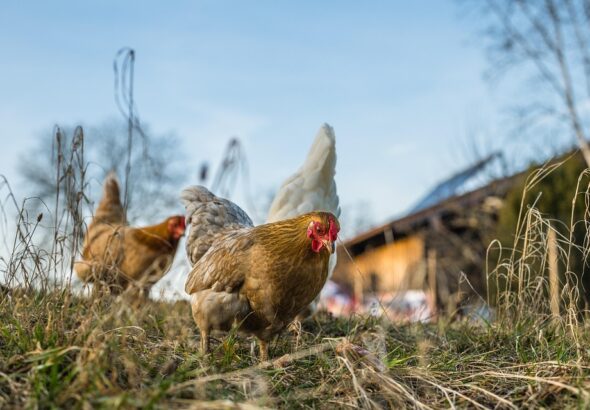
Organic farming places a strong emphasis on the well-being of animals. This includes providing sufficient space, access to the outdoors, and a diet that is free from synthetic additives. The focus is on allowing animals to express their natural behaviors, which contributes to their overall health and productivity.
2. Environmental Sustainability
Environmental sustainability is at the heart of organic farming. By avoiding synthetic fertilizers and pesticides, organic farmers work to maintain soil health and biodiversity. This approach not only benefits the environment but also leads to more resilient farming systems.
3. Health and Quality
Organic farming aims to produce livestock products that are free from harmful chemicals and genetically modified organisms (GMOs). This results in healthier meat, milk, and eggs that are often richer in nutrients compared to conventionally produced alternatives.
Sustainable Practices in Organic Livestock Farming
To achieve success in organic livestock farming, several sustainable practices are essential:
1. Pasture-Based Feeding
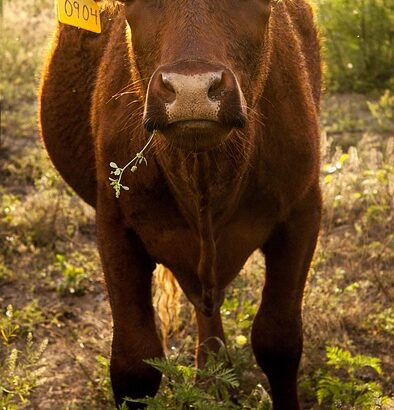
One of the cornerstones of organic livestock farming is pasture-based feeding. Grazing livestock on well-managed pastures not only provides them with a natural diet but also helps in maintaining soil fertility and reducing erosion. Rotational grazing systems can be implemented to optimize pasture use and prevent overgrazing.
2. Integrated Pest Management (IPM)
Organic farmers employ integrated pest management strategies to control pests without relying on synthetic chemicals. This may include the use of natural predators, biological control agents, and crop rotation to disrupt pest life cycles. IPM is crucial for maintaining a balanced ecosystem and reducing the spread of diseases.
3. Organic Certification and Compliance
To market products as organic, farmers must adhere to strict certification standards. This involves maintaining detailed records, undergoing regular inspections, and ensuring compliance with organic regulations. Certification not only assures consumers of the authenticity of organic products but also opens up new market opportunities for farmers.
Challenges in Organic Livestock Farming
Despite its benefits, organic livestock farming presents several challenges that farmers must navigate:
1. Higher Production Costs
Organic farming often involves higher production costs due to the need for organic feed, certification expenses, and more labor-intensive practices. Farmers must carefully manage these costs to remain economically viable.
2. Disease Management
Without the use of conventional antibiotics and medications, managing diseases in organic livestock can be challenging. Farmers need to focus on preventive measures, such as maintaining good hygiene, proper nutrition, and stress reduction to keep animals healthy.
3. Market Competition
As the demand for organic products grows, so does the competition. Farmers must differentiate their products and build strong relationships with consumers to secure their place in the market.
Success Stories in Organic Livestock Farming
Many farmers have successfully transitioned to organic livestock farming and have seen significant benefits:
1. Increased Profitability
By tapping into the growing organic market, farmers can often command higher prices for their products. This increased profitability can offset the higher production costs associated with organic farming.
2. Enhanced Animal Welfare
Farmers report that organic practices lead to healthier, more content animals. This not only improves productivity but also aligns with ethical farming practices.
3. Positive Environmental Impact
Organic livestock farming helps sequester carbon, improve soil health, and protect local biodiversity. Many farmers take pride in their contribution to environmental conservation.
Future Trends in Organic Livestock Farming
The future of organic livestock farming looks promising, with several trends shaping the industry:
1. Technological Innovations
Emerging technologies, such as precision farming tools and data analytics, are helping organic farmers optimize their operations. These tools can enhance efficiency, reduce waste, and improve animal management.
2. Consumer Awareness and Demand
As consumers become more informed about the benefits of organic products, the demand for these products is expected to grow. Farmers who can effectively communicate their organic practices will benefit from this trend.
3. Policy Support
Governments and organizations worldwide are increasingly recognizing the importance of sustainable agriculture. Supportive policies and incentives for organic farming can help overcome some of the financial barriers faced by farmers.
Conclusion
Organic livestock farming is not just a trend; it is a sustainable approach that offers numerous benefits for farmers, consumers, and the environment. By adhering to organic principles and implementing sustainable practices, farmers can achieve success in this growing industry. As the demand for organic products continues to rise, those who embrace this approach will be well-positioned to thrive in the future.
Ultimately, organic livestock farming represents a commitment to a more sustainable and ethical way of producing food. It challenges farmers to innovate, adapt, and continually strive for a balance between productivity and ecological stewardship. By sharing knowledge and learning from successful practices, the organic livestock farming community can continue to grow and contribute to a more sustainable future for all.
“`
#ChatGPT assisted in the creation of this article.