
In an era marked by increasing concern over environmental sustainability, livestock farming is under scrutiny for its impact on the planet. The challenge lies in optimizing meat production without compromising the ecosystem or the welfare of the animals involved. Sustainable meat production encompasses a range of practices designed to minimize environmental degradation, ensure animal welfare, and maintain economic viability for farmers. This article explores strategies to achieve sustainable meat production in livestock farming.
The Importance of Sustainable Meat Production
Sustainable meat production is vital for several reasons. Firstly, the livestock sector is a significant contributor to greenhouse gas emissions, notably methane and nitrous oxide. Reducing these emissions is crucial in combating climate change. Secondly, intensive farming practices can lead to deforestation, soil degradation, and water pollution. Sustainable practices help mitigate these impacts. Finally, ethical considerations regarding animal welfare are increasingly influencing consumer choices, necessitating a shift towards humane farming practices.
Optimizing Feed Efficiency
One of the primary areas of focus in sustainable meat production is optimizing feed efficiency. The conversion of feed into meat is a critical factor in the environmental impact of livestock farming. Research and development in animal nutrition have led to the creation of more efficient feed formulas that enhance growth rates while reducing waste.
Precision Feeding
Precision feeding involves tailoring feed composition to the specific needs of individual animals or groups, based on factors such as age, weight, and health status. This approach minimizes overfeeding and reduces feed waste, ultimately decreasing the environmental footprint of meat production.
Alternative Feed Ingredients
Incorporating alternative feed ingredients, such as insects, algae, or agricultural by-products, can reduce reliance on traditional feed crops like soy and corn, which often contribute to deforestation and habitat loss. These alternative sources are not only sustainable but can also be more cost-effective.
Improving Breeding Practices
Genetic improvement in livestock can significantly enhance productivity and sustainability. By selecting for traits such as disease resistance, feed efficiency, and reproductive performance, farmers can produce more meat with fewer resources.
Selective Breeding
Selective breeding programs aim to enhance desirable traits in livestock, leading to more resilient and productive animals. These programs can reduce the need for antibiotics and veterinary interventions, promoting animal welfare and reducing environmental impact.
Crossbreeding
Crossbreeding different livestock breeds can result in hybrid vigor, where offspring exhibit improved performance and adaptability compared to their purebred counterparts. This strategy can also introduce genetic diversity, reducing the risk of disease outbreaks.
Enhancing Animal Welfare
Sustainable meat production is not solely about environmental concerns; it also involves ensuring the welfare of the animals. Ethical treatment of livestock is increasingly important to consumers and can influence market demand.
Providing Adequate Living Conditions
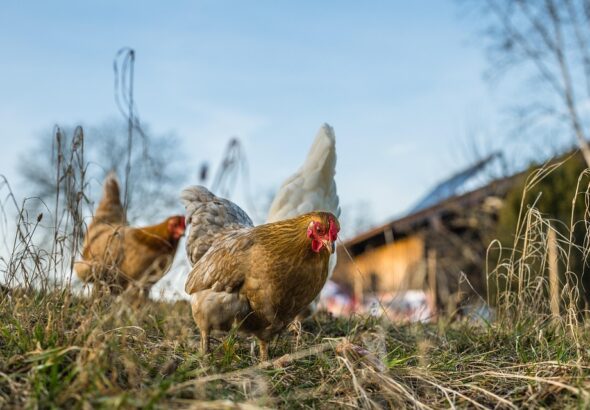
Ensuring that animals have access to sufficient space, clean water, and nutritious food is fundamental to their well-being. Improved housing systems, such as pasture-based or free-range systems, allow animals to express natural behaviors, leading to healthier and less stressed livestock.
Implementing Humane Slaughter Practices
Humane slaughter practices are essential for minimizing animal suffering. Techniques such as stunning before slaughter can ensure that animals are unconscious and unable to feel pain during the process. These practices are not only ethical but can also improve meat quality by reducing stress-related factors.
Reducing Environmental Impact
The environmental impact of livestock farming can be mitigated through various strategies aimed at reducing pollution, resource consumption, and waste.
Manure Management
Proper manure management is crucial in preventing water pollution and reducing greenhouse gas emissions. Techniques such as anaerobic digestion can convert manure into biogas, a renewable energy source, while also producing nutrient-rich fertilizers.
Water Conservation
Water is a critical resource in livestock farming. Implementing water-saving technologies, such as efficient irrigation systems and water recycling, can significantly reduce water usage. Additionally, maintaining riparian buffers and wetlands can protect water bodies from contamination.
Adopting Agroecological Practices
Agroecological practices integrate ecological principles into farming systems, promoting sustainability and resilience.
Rotational Grazing
Rotational grazing involves moving livestock between different pasture areas to prevent overgrazing and allow vegetation to recover. This practice enhances soil health, increases biodiversity, and reduces the need for chemical fertilizers.
Agroforestry
Agroforestry combines trees and shrubs with livestock farming, providing shade, windbreaks, and additional fodder sources. This approach improves microclimates, enhances carbon sequestration, and supports biodiversity.
Embracing Technology and Innovation
Technological advancements offer opportunities to enhance sustainability in livestock farming.
Precision Agriculture
Precision agriculture uses technology such as GPS, sensors, and data analytics to optimize resource use and improve decision-making. For example, precision livestock farming can monitor animal health and behavior in real-time, allowing for timely interventions.
Biotechnology
Biotechnology, including genetic engineering and vaccine development, can improve disease resistance and reduce the need for antibiotics. These innovations contribute to healthier livestock and reduced environmental impact.
Conclusion
Achieving sustainable meat production in livestock farming is a multifaceted challenge that requires a holistic approach. By optimizing feed efficiency, improving breeding practices, enhancing animal welfare, reducing environmental impact, adopting agroecological practices, and embracing technology, the livestock industry can move towards a more sustainable future. Collaboration between farmers, researchers, policymakers, and consumers is essential in driving this transformation. Ultimately, sustainable meat production not only benefits the environment and animal welfare but also ensures the long-term viability of the livestock sector.
#ChatGPT assisted in the creation of this article.