

Free-range farming has gained significant attention and popularity in recent years as consumers become more conscious of animal welfare and the quality of their food. The term “free-range” refers to a method of farming where animals are allowed to roam freely outdoors, as opposed to being confined in small enclosures. This practice is applied to various types of livestock, including chickens, pigs, cattle, and sheep. Free-range farming offers numerous benefits not only for the animals but also for the environment, farmers, and consumers. This article will explore the top benefits of free-range farming animals and why this method is becoming a preferred choice in the agricultural sector.
Improved Animal Welfare
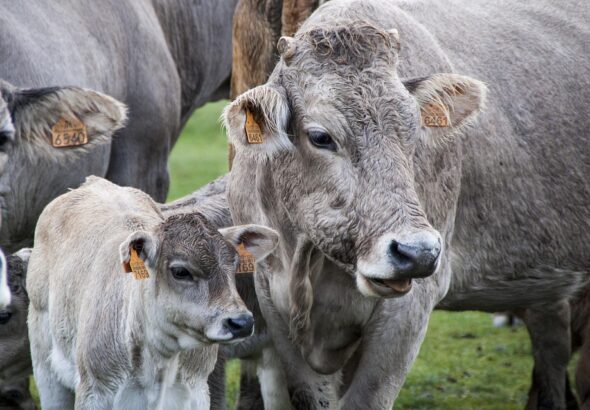
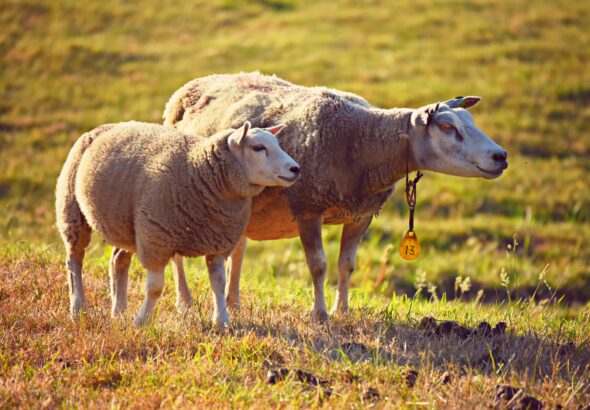
One of the primary benefits of free-range farming is the significant improvement in animal welfare. Animals raised in free-range environments have the opportunity to engage in natural behaviors, such as grazing, foraging, and socializing with other animals. This freedom reduces stress and promotes overall well-being, leading to healthier livestock.
In contrast, animals in confined systems often experience high levels of stress due to overcrowding and limited movement. Stress can weaken the immune system and make animals more susceptible to diseases, which may necessitate the use of antibiotics. By allowing animals to live in a more natural setting, free-range farming reduces the need for medical interventions and promotes a more humane treatment of animals.
Better Quality Produce
Free-range farming is associated with higher quality produce, particularly in terms of meat, eggs, and dairy products. Animals that are allowed to roam freely and have access to a diverse diet, including grass, insects, and other natural foods, tend to produce products with enhanced flavor and nutritional value.
For instance, free-range chickens often lay eggs that are richer in omega-3 fatty acids and vitamin E compared to eggs from caged hens. Similarly, free-range beef and pork are typically leaner and contain higher levels of beneficial fatty acids, making them healthier options for consumers. The superior taste and nutritional profile of free-range products are significant factors driving consumer preference and willingness to pay a premium for these goods.
Environmental Benefits
Free-range farming can also have positive environmental impacts. By allowing animals to graze and forage naturally, farmers can reduce their reliance on intensive feed production and monoculture crops, which often require significant inputs of fertilizers and pesticides. This reduction in chemical use can help preserve biodiversity and protect ecosystems.
Additionally, free-range farming promotes sustainable land management practices. Grazing animals help maintain healthy grasslands by naturally fertilizing the soil with their manure and controlling plant growth. This process can enhance soil health, increase carbon sequestration, and reduce soil erosion. Furthermore, free-range systems often require fewer resources, such as water and fossil fuels, compared to intensive farming operations, thereby reducing the overall environmental footprint of livestock production.
Positive Economic Impacts
While free-range farming can require more land and labor compared to conventional farming methods, it can also offer economic benefits for farmers. As consumer demand for ethically produced and high-quality food continues to rise, farmers can capitalize on premium pricing for free-range products. This market demand can lead to increased profitability and financial stability for farmers who adopt free-range practices.
Moreover, free-range farming can contribute to local economies by supporting small-scale and family-run farms. These operations often prioritize sustainability and community engagement, which can lead to stronger ties between farmers and consumers. By fostering a direct connection with customers, free-range farmers can build brand loyalty and create niche markets that emphasize quality and ethical production.
Enhanced Biodiversity
Free-range farming contributes to the enhancement of biodiversity in agricultural landscapes. By allowing animals to roam and interact with their environment, farmers can create habitats that support a variety of plant and animal species. This diversity can help create balanced ecosystems that are more resilient to pests and diseases.
For example, free-range poultry farms often attract wild birds and insects that contribute to natural pest control, reducing the need for chemical interventions. Additionally, diverse plant species in pastures can provide food and shelter for pollinators and other beneficial organisms. By promoting biodiversity, free-range farming can play a crucial role in preserving threatened species and maintaining ecological balance.
Reduced Antibiotic Use
One of the critical challenges in modern livestock production is the overuse of antibiotics, which can lead to the development of antibiotic-resistant bacteria. Free-range farming can help mitigate this issue by reducing the need for routine antibiotic use. Animals in free-range systems are generally healthier due to their ability to express natural behaviors and their exposure to fresh air and sunlight, which can bolster their immune systems.
By minimizing stress and promoting natural disease resistance, free-range farming reduces the reliance on antibiotics as a preventive measure. This approach not only benefits animal health but also addresses public health concerns related to antibiotic resistance, making free-range farming a more sustainable and responsible choice.
Consumer Satisfaction and Trust
As consumers become more aware of the ethical and environmental implications of their food choices, there is a growing demand for transparency and accountability in the food production process. Free-range farming addresses these concerns by providing consumers with products that align with their values.
By choosing free-range products, consumers can feel confident that they are supporting farming practices that prioritize animal welfare, environmental sustainability, and quality. This sense of satisfaction and trust can enhance the overall consumer experience and foster a deeper connection between producers and consumers.
Conclusion
Free-range farming offers a multitude of benefits that extend beyond the farm. By prioritizing animal welfare, producing high-quality products, and promoting environmental sustainability, free-range farming presents a compelling alternative to conventional livestock production methods. As consumer awareness and demand for ethically produced food continue to grow, free-range farming is poised to play an increasingly important role in the future of agriculture. By embracing this approach, farmers can contribute to a more humane, sustainable, and economically viable food system that benefits animals, people, and the planet.
“`
#ChatGPT assisted in the creation of this article.