
The global demand for food is increasing at an unprecedented rate due to population growth and changing dietary preferences. This has put immense pressure on agricultural systems to produce more with less. Enter precision agriculture: a farming management concept based on observing, measuring, and responding to inter and intra-field variability in crops. By leveraging technology and data analytics, precision agriculture aims to optimize returns on inputs while preserving resources. This article explores the top precision agriculture techniques that are revolutionizing yields and transforming modern farming.
What is Precision Agriculture?
Precision agriculture, also known as precision farming, is a modern agricultural practice that utilizes technological innovations to monitor and manage field variability in crops. The primary goal of precision agriculture is to ensure that crops and soil receive exactly what they need for optimum health and productivity. By using data from GPS technology, sensors, drones, and satellite imagery, farmers can make informed decisions that enhance crop yields, reduce waste, and increase efficiency.
Top Precision Agriculture Techniques
1. GPS and GNSS Technology
Global Positioning System (GPS) and Global Navigation Satellite Systems (GNSS) are at the heart of precision agriculture. These technologies provide precise location data that help farmers in field mapping, soil sampling, and crop scouting. With accurate GPS data, farm machinery can be guided to within centimeters of a desired location, ensuring that inputs such as seeds, fertilizers, and pesticides are applied with precision. This reduces overlap and waste, ultimately leading to cost savings and enhanced yields.
2. Remote Sensing and Satellite Imagery
Remote sensing and satellite imagery are crucial for monitoring crop health and detecting stress factors such as disease, pests, and water shortages. High-resolution images from satellites provide vital information about plant health and soil conditions. By analyzing these images, farmers can make timely decisions about irrigation, pest control, and fertilization. This data-driven approach allows for targeted interventions, minimizing the use of resources and maximizing productivity.
3. Drones and UAVs
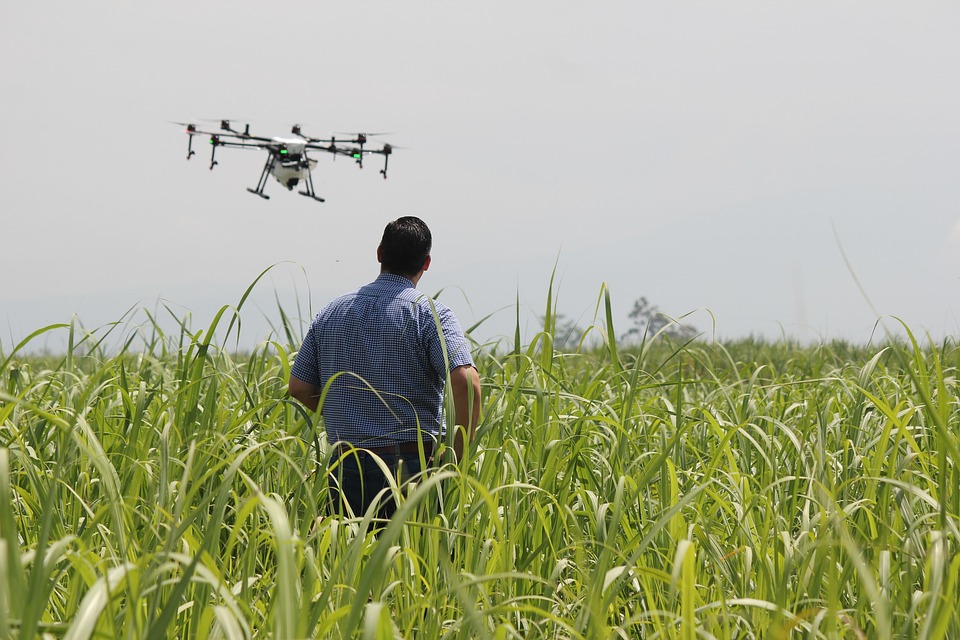
Unmanned Aerial Vehicles (UAVs) or drones have become indispensable tools in precision agriculture. Equipped with various sensors, drones can capture real-time data on crop health, soil conditions, and weather patterns. They provide detailed aerial views of fields, allowing farmers to identify issues such as pest infestations or nutrient deficiencies. Drones also facilitate precision spraying, where agrochemicals are applied only where needed, reducing environmental impact and saving costs.
4. Variable Rate Technology (VRT)
Variable Rate Technology allows farmers to apply inputs such as seeds, fertilizers, and pesticides at varying rates across a field. VRT uses data from soil tests, yield maps, and crop models to determine the optimal rate of application for each area. This technique ensures that each part of the field receives the right amount of inputs, leading to uniform crop growth and improved yields. VRT not only enhances productivity but also reduces input costs and minimizes environmental impact.
5. Soil and Crop Sensors
Sensors play a critical role in precision agriculture by providing real-time data on soil and crop conditions. Soil sensors measure parameters such as moisture, temperature, and nutrient levels, enabling farmers to make informed decisions about irrigation and fertilization. Crop sensors, on the other hand, assess plant health by measuring factors like chlorophyll content and leaf temperature. This data helps in detecting stress factors early, allowing for prompt corrective actions that enhance yield and quality.
6. Data Analytics and Farm Management Software
The vast amount of data generated by precision agriculture technologies is useless without proper analysis. Farm management software solutions offer analytics tools that help farmers interpret data and make informed decisions. These platforms integrate data from various sources, providing insights into crop performance, input usage, and operational efficiency. By analyzing historical and real-time data, farmers can optimize resource allocation, plan planting schedules, and predict yields with greater accuracy.
Benefits of Precision Agriculture
The adoption of precision agriculture techniques offers numerous benefits to farmers, consumers, and the environment. Firstly, it enhances productivity by ensuring optimal input application, leading to increased crop yields and quality. Secondly, it reduces costs by minimizing waste and optimizing resource use. Thirdly, precision agriculture promotes sustainability by reducing the environmental impact of farming activities. By using resources efficiently, farmers can lower their carbon footprint and preserve ecosystems.
Challenges and Future Prospects
Despite its benefits, precision agriculture faces several challenges, including high initial costs, complex technology, and data management issues. Small-scale farmers, in particular, may find it difficult to invest in advanced equipment and infrastructure. Moreover, the success of precision agriculture relies heavily on accurate data collection and analysis, which requires technical expertise.
However, the future of precision agriculture looks promising. Technological advancements are making precision farming tools more affordable and user-friendly. Innovations in artificial intelligence and machine learning are enhancing data analytics capabilities, allowing for more accurate predictions and recommendations. As technology continues to evolve, precision agriculture will become increasingly accessible, helping farmers worldwide to revolutionize yields and meet the growing demand for food.
Conclusion
Precision agriculture is transforming the way we produce food by leveraging technology and data to optimize farming practices. From GPS-guided tractors to drone-assisted crop monitoring, these techniques are enabling farmers to increase yields, reduce costs, and promote sustainability. As the world faces the challenge of feeding a growing population, precision agriculture offers a viable solution that can enhance productivity while preserving natural resources. By embracing these innovative techniques, farmers can revolutionize yields and contribute to a more sustainable future for agriculture.
#ChatGPT assisted in the creation of this article.