
Seasonal farm maintenance is a critical aspect of agricultural efficiency and productivity. Each season presents unique challenges and opportunities for farmers, making it essential to tailor maintenance practices to the specific conditions and requirements of that time of year. By optimizing farm maintenance according to the seasons, farmers can ensure peak efficiency, minimize waste, and maximize yields. This article explores strategies and best practices for optimizing seasonal farm maintenance, focusing on planning, execution, and evaluation.
Understanding Seasonal Changes
The first step in optimizing seasonal farm maintenance is understanding the impact of seasonal changes on farm operations. Each season brings distinct weather patterns, pest pressures, and crop growth stages, all of which influence maintenance priorities. For instance, spring often requires preparation and planting, while autumn focuses on harvesting and winterizing. By recognizing these seasonal shifts, farmers can develop tailored maintenance plans that address the specific needs of each period.
Spring Maintenance
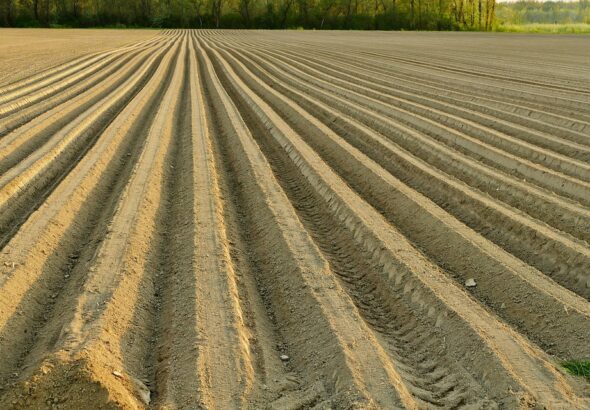
Spring is a time of renewal and preparation on the farm. As the ground thaws and temperatures rise, it’s crucial to assess equipment, prepare fields, and plan for planting. Key maintenance tasks in spring include:
- Equipment Inspection and Repair: Inspect tractors, planters, and other machinery for wear and tear. Perform necessary repairs and maintenance to ensure reliable performance during planting.
- Soil Preparation: Conduct soil tests to determine nutrient levels and pH. Apply fertilizers and amendments as needed to create optimal growing conditions.
- Weed and Pest Control: Implement early-season weed and pest management strategies to prevent competition and damage to young crops.
Summer Maintenance
Summer is characterized by growth and development in crops. During this season, maintenance focuses on supporting plant health and managing stress factors. Essential summer maintenance practices include:
- Irrigation Management: Monitor soil moisture levels and adjust irrigation schedules to ensure crops receive adequate water without wastage.
- Pest and Disease Monitoring: Regularly scout fields for signs of pest infestations and diseases. Implement integrated pest management (IPM) strategies to mitigate issues.
- Nutrient Management: Conduct tissue tests to assess nutrient uptake and apply foliar feeds or side-dress fertilizers to support growth.
Autumn Maintenance
Autumn signifies the transition from active growth to harvest and preparation for dormancy. Key autumn maintenance activities include:
- Harvest Operations: Plan and execute efficient harvest operations to minimize crop loss and maximize quality.
- Post-Harvest Field Maintenance: Clear fields of residue and prepare them for winter cover crops or fallow periods.
- Equipment Storage: Clean and store equipment properly to prevent damage during the off-season.
Winter Maintenance
Winter offers a respite from active farming and an opportunity for planning and preparation. Vital winter maintenance tasks include:
- Equipment Overhaul: Perform comprehensive maintenance on machinery and tools to ensure they are in peak condition for the next season.
- Planning and Education: Review the past season’s performance and plan for the coming year. Attend workshops or courses to stay updated on best practices.
- Infrastructure Inspection: Check and repair farm structures, fences, and storage facilities to withstand winter weather.
Implementing an Efficient Maintenance Schedule
Creating and adhering to a structured maintenance schedule is crucial for optimizing seasonal farm maintenance. This involves prioritizing tasks, allocating resources, and ensuring timely execution. Here are some steps to develop an efficient maintenance schedule:
Prioritize Tasks
Begin by identifying and prioritizing essential tasks for each season. Consider factors such as crop type, climate, and available resources. Use a matrix to rank tasks based on urgency and importance, ensuring that critical activities are addressed promptly.
Allocate Resources
Efficient resource allocation is vital for effective seasonal maintenance. This includes labor, equipment, and materials. Plan resource allocation based on the identified priorities, ensuring that all necessary tools and personnel are available when needed.
Monitor Progress
Regularly monitor the progress of maintenance activities to ensure they are on track. Use digital tools or spreadsheets to track tasks, deadlines, and completion status. This allows for real-time adjustments and prevents bottlenecks in the process.
Adapting to Changing Conditions
Flexibility is crucial in seasonal farm maintenance, as agricultural conditions can change rapidly due to weather or market demands. Farmers should be prepared to adapt their maintenance plans to accommodate these changes.
Weather Variability
Weather is a significant factor in farming, and unexpected changes can impact maintenance activities. Use weather forecasting tools to anticipate changes and adjust plans accordingly. For instance, if heavy rains are forecasted, consider delaying fieldwork to prevent soil compaction.
Market Demands
Market conditions can also influence maintenance priorities. Stay informed about market trends and adjust crop management practices to meet demand. For example, if there’s a high demand for a particular crop, focus on optimizing its growth and quality.
Evaluating and Improving Maintenance Practices
Evaluation is a critical component of optimizing seasonal farm maintenance. Regularly assess the effectiveness of maintenance practices and implement improvements where necessary.
Performance Metrics
Establish performance metrics to evaluate the success of maintenance activities. This could include metrics such as crop yield, input efficiency, and labor productivity. Use these metrics to identify areas for improvement and adjust future maintenance plans accordingly.
Feedback and Learning
Gather feedback from farm workers and stakeholders to gain insights into the effectiveness of maintenance practices. Encourage open communication and use feedback to inform decision-making and training.
Conclusion
Optimizing seasonal farm maintenance for peak efficiency requires a comprehensive understanding of seasonal changes, effective planning, and a willingness to adapt to changing conditions. By prioritizing tasks, allocating resources efficiently, and continuously evaluating practices, farmers can achieve greater productivity and sustainability. As agriculture continues to evolve, adopting a proactive and adaptive approach to farm maintenance will be essential for meeting the challenges of the future.
#ChatGPT assisted in the creation of this article.