

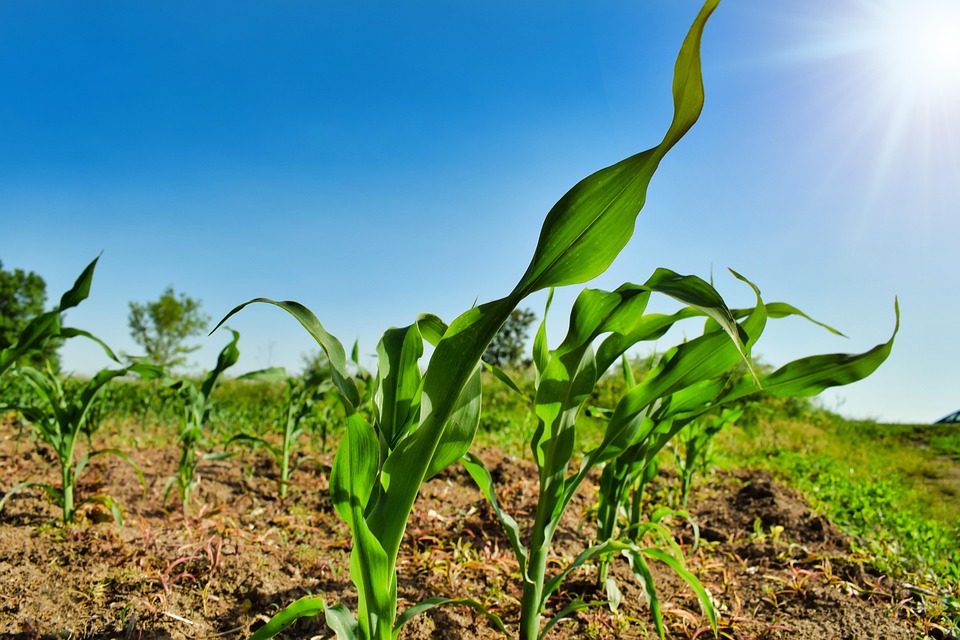
In recent years, organic farming has emerged as a lucrative and sustainable alternative to conventional agricultural practices. With the increasing demand for organic products, farmers have the opportunity to maximize their profits while contributing positively to the environment. However, success in organic farming requires careful planning, strategic decision-making, and a commitment to sustainable practices. This article explores key strategies that can help farmers maximize profits through organic farming.
Understanding Organic Farming
Organic farming is an agricultural practice that focuses on producing food using natural processes and materials. It prohibits the use of synthetic fertilizers, pesticides, and genetically modified organisms (GMOs). Instead, organic farmers rely on techniques such as crop rotation, composting, and biological pest control to maintain soil fertility and manage pests and diseases.
Benefits of Organic Farming
Organic farming offers numerous benefits, both economic and ecological. It enhances soil health, improves biodiversity, reduces pollution, and conserves water. Additionally, organic products often command higher prices in the market due to their perceived health benefits and environmental sustainability.
Key Strategies for Maximizing Profits in Organic Farming
1. Market Research and Diversification
Conducting thorough market research is crucial for identifying profitable opportunities in organic farming. Farmers should analyze consumer trends, demand patterns, and pricing strategies to align their production with market needs. Diversification of crops and products can also help mitigate risks and increase income streams. By growing a variety of crops, farmers can cater to different market segments and reduce dependence on a single commodity.
2. Efficient Resource Management
Efficient resource management is essential for maximizing profits in organic farming. This includes optimizing the use of water, energy, and labor. Implementing water-saving techniques such as drip irrigation and rainwater harvesting can significantly reduce costs. Investing in renewable energy sources like solar panels can also lower energy expenses. Additionally, employing efficient labor practices and mechanization can enhance productivity and reduce labor costs.
3. Soil Health and Fertility Management
Maintaining healthy and fertile soil is the cornerstone of successful organic farming. Farmers should prioritize practices that enhance soil structure, nutrient content, and microbial activity. Techniques like crop rotation, cover cropping, and composting can improve soil health and reduce the need for external inputs. Regular soil testing can provide valuable insights into nutrient deficiencies and guide fertilization practices.
4. Integrated Pest and Disease Management
Organic farming relies on integrated pest and disease management (IPDM) to control pests and diseases without synthetic chemicals. This approach combines cultural, biological, and mechanical methods to maintain pest populations below economic thresholds. Encouraging beneficial insects, using physical barriers, and practicing crop rotation are effective IPDM strategies. Regular monitoring and early intervention are crucial to prevent pest and disease outbreaks.
5. Certification and Branding
Obtaining organic certification is essential for accessing premium markets and building consumer trust. Certification ensures that products meet specific organic standards and criteria. Farmers should familiarize themselves with certification requirements and invest in the necessary documentation and inspections. Additionally, developing a strong brand identity and marketing strategy can help differentiate products and capture higher market value.
6. Value-Added Products and Direct Marketing
Transforming raw agricultural products into value-added goods can significantly increase profitability. Processing crops into organic jams, juices, or packaged foods can command higher prices and expand market reach. Direct marketing channels such as farmers’ markets, community-supported agriculture (CSA) programs, and online platforms allow farmers to connect directly with consumers, reducing intermediaries and increasing profit margins.
Case Study: Successful Organic Farm
Let’s consider a case study of a successful organic farm, Green Acres Organic Farm, to illustrate the application of these strategies. Located in a region with a growing demand for organic produce, Green Acres implemented a diversified cropping system, growing vegetables, fruits, and herbs. They invested in solar panels to offset energy costs and adopted rainwater harvesting to conserve water.
By focusing on soil health, Green Acres used cover cropping and composting to enhance soil fertility. Their IPDM approach included introducing beneficial insects and rotating crops to manage pests naturally. With organic certification, they accessed premium markets and developed a strong brand presence through engaging packaging and storytelling.
Green Acres also ventured into value-added products by processing surplus fruits into organic jams and sauces, which they sold directly to consumers via local farmers’ markets and an online store. This diversified approach allowed them to maximize profits while maintaining environmental sustainability.
Challenges and Solutions
While organic farming offers numerous benefits, it also presents challenges. Transitioning from conventional to organic farming requires time, effort, and financial investment. Farmers might face initial yield reductions and increased labor demands. However, adopting a gradual transition plan, seeking technical assistance, and accessing financial support programs can help mitigate these challenges.
Conclusion
Organic farming presents a promising opportunity for farmers to maximize profits while contributing to environmental sustainability. By adopting strategic approaches such as market research, efficient resource management, soil health improvement, and value-added product development, farmers can enhance their profitability and resilience. Despite the challenges, the benefits of organic farming, including premium market access and environmental stewardship, make it a viable and rewarding choice for modern agriculture.
References
– Organic Farming Research Foundation. (n.d.). Organic Farming. Retrieved from [https://ofrf.org](https://ofrf.org)
– United States Department of Agriculture. (n.d.). Organic Agriculture. Retrieved from [https://www.usda.gov/topics/organic](https://www.usda.gov/topics/organic)
– Food and Agriculture Organization of the United Nations. (n.d.). Organic Agriculture. Retrieved from [http://www.fao.org/organicag/](http://www.fao.org/organicag/)
#ChatGPT assisted in the creation of this article.