
Weeds have always been one of the greatest challenges faced by farmers. These unwanted plants compete with crops for nutrients, light, and water, often leading to reduced yields. With the growing demand for sustainable and productive farming methods, innovative weed control techniques are becoming increasingly important. This article explores some of the most advanced and effective strategies for mastering weed control on the farm.
Understanding the Enemy: The Nature of Weeds
Before diving into control techniques, it’s essential to understand what makes weeds such formidable adversaries. Weeds are typically hardy plants that thrive in a variety of conditions. They often have rapid growth rates, efficient reproductive systems, and the ability to adapt to their environment. This resilience makes them difficult to manage, but not impossible to control.
The Impact of Weeds on Agriculture
Weeds can significantly impact agricultural productivity. They reduce crop yields by competing for essential resources, including sunlight, nutrients, and water. In addition, some weeds can harbor pests and diseases, further threatening crop health. Understanding these impacts underscores the importance of innovative weed control techniques.
Traditional Weed Control Methods
Traditional methods of weed control have included manual removal, tilling, and the use of herbicides. While these methods can be effective, they often come with drawbacks such as labor intensity, soil degradation, and environmental concerns. As a result, farmers are increasingly turning to more innovative approaches.
Innovative Weed Control Techniques
1. Precision Agriculture
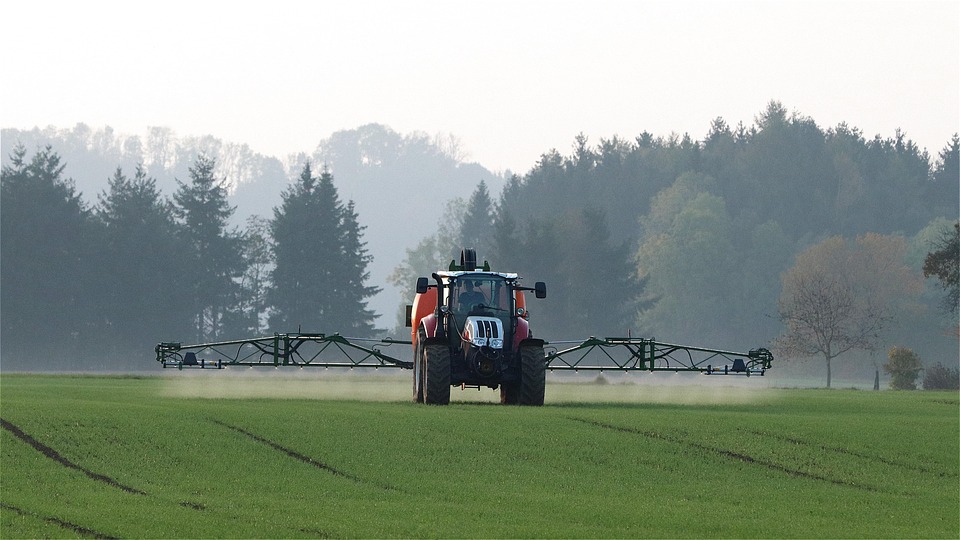
Precision agriculture leverages technology to improve farming efficiency and effectiveness. By using GPS, drones, and sensors, farmers can monitor weed populations closely and apply control measures more accurately. This targeted approach reduces waste and minimizes the impact on non-target species.
2. Biological Control
Biological control involves using natural enemies of weeds, such as insects, fungi, or bacteria, to reduce weed populations. This method is environmentally friendly and can be highly effective when tailored to specific weed species. For example, certain beetles have been used to control invasive aquatic weeds like water hyacinth.
3. Cover Cropping
Cover cropping involves planting crops that suppress weed growth by creating a physical barrier or by outcompeting weeds for resources. Some cover crops, like clover or rye, can also improve soil health and fertility, offering additional benefits to farmers.
4. Mulching
Mulching involves covering the soil surface with organic or synthetic materials to inhibit weed growth. Mulch serves as a physical barrier, preventing light from reaching weed seeds and reducing their ability to germinate. Organic mulches, such as straw or wood chips, also contribute to soil health as they decompose.
5. Crop Rotation and Diversity
Crop rotation and diversity can disrupt weed life cycles and reduce their prevalence. By alternating different crops, farmers can prevent weeds from becoming adapted to a particular type of environment. Additionally, diverse cropping systems create a more hostile environment for weeds, reducing their impact.
Advanced Technological Approaches
1. Robotics and Automation
Robotics and automation are revolutionizing weed control. Autonomous weeders can identify and remove weeds with precision, reducing the need for herbicides. These machines use advanced imaging and machine learning algorithms to distinguish between crops and weeds.
2. Laser Weeding
Laser weeding is an emerging technology that uses focused laser beams to target and destroy weeds. This technique is highly precise and can be used in both outdoor and greenhouse settings. It’s particularly promising for organic farming, where chemical herbicides are restricted.
3. Electrical Weed Control
Electrical weed control uses high-voltage electricity to kill weeds. This method is effective against a wide range of weed species and can be used in various agricultural settings. It offers an alternative to chemical herbicides, reducing environmental impact.
Integrating Weed Control Strategies
Successful weed management often requires integrating multiple techniques. By combining traditional methods with innovative approaches, farmers can develop a comprehensive strategy tailored to their specific conditions. For example, a farmer might use precision agriculture tools to map weed infestations, apply biological controls to target specific weeds, and implement crop rotation to prevent future outbreaks.
Challenges and Considerations
While innovative weed control techniques offer many benefits, they also come with challenges. The initial cost of advanced technologies can be high, and there may be a learning curve associated with their implementation. Additionally, biological control methods require careful management to avoid unintended ecological consequences.
Conclusion
In the quest for sustainable and effective farming practices, mastering weed control is a critical component. By embracing innovative techniques, farmers can enhance productivity, protect the environment, and secure their livelihoods. As technology continues to advance, the future of weed control looks promising, offering new tools and strategies to manage this age-old challenge.
References
Farmers and researchers are encouraged to stay informed about the latest developments in weed control. Numerous agricultural extension services, academic journals, and industry publications provide valuable insights and updates on emerging technologies and methods.
#ChatGPT assisted in the creation of this article.