
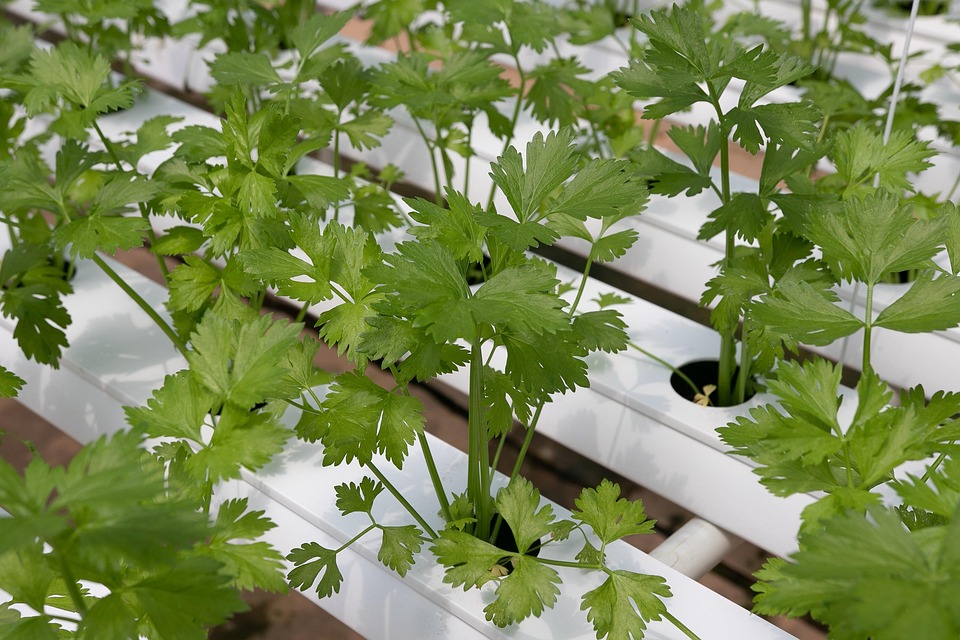
Hydroponic farming is a revolutionary method of growing plants without soil, using mineral nutrient solutions in water. This innovative technique allows for year-round cultivation and can yield higher production rates compared to traditional farming. As urbanization continues to rise and land availability becomes scarce, hydroponics presents a sustainable solution for feeding a growing population. For beginners eager to delve into this modern farming method, understanding the basics is crucial for a successful start.
The Concept of Hydroponics
Hydroponics is derived from the Greek words “hydro,” meaning water, and “ponos,” meaning labor. Essentially, it is a method of farming that utilizes water as the primary growth medium, instead of soil. The roots of plants are submerged in a nutrient-rich solution, allowing them to absorb essential nutrients directly. This method results in faster growth and higher yields as plants do not need to expend energy searching for nutrients in the soil.
Benefits of Hydroponic Farming
Hydroponic farming offers numerous advantages, making it an attractive option for both commercial and personal use. Some of the key benefits include:
Efficient Use of Space
Hydroponics systems can be set up in compact spaces, making them ideal for urban environments. Vertical farming techniques can be employed to maximize space, allowing for more plants to be grown in a limited area.
Water Conservation
In hydroponics, water is recirculated and reused, significantly reducing water consumption compared to traditional farming methods. This makes hydroponics an environmentally friendly option, particularly in regions facing water scarcity.
Faster Growth Rates
Plants grown hydroponically tend to grow faster because they have direct access to nutrients and oxygen. This means quicker harvest cycles and potentially higher profits for commercial growers.
Pest and Disease Control
Soil-borne pests and diseases are virtually eliminated in hydroponic systems, as there is no soil to harbor them. This reduces the need for pesticides and results in healthier, chemical-free produce.
Year-Round Production
Hydroponic systems can be set up indoors or in controlled environments, allowing for year-round production regardless of external weather conditions. This ensures a consistent supply of fresh produce.
Basic Hydroponic Systems
There are several types of hydroponic systems, each with its own unique advantages and setup requirements. Beginners should choose a system that aligns with their goals and resources. Here are some common hydroponic systems:
Deep Water Culture (DWC)
In a DWC system, plant roots are suspended in a nutrient-rich water solution, and an air pump supplies oxygen to the water. This system is simple to set up and maintain, making it ideal for beginners. It is particularly effective for growing leafy greens and herbs.
Nutrient Film Technique (NFT)
NFT systems involve a continuous flow of nutrient solution over plant roots, which are supported by a slightly tilted tray. The thin film of nutrients ensures that roots have access to both water and oxygen. NFT is well-suited for plants with smaller root systems, such as lettuce and strawberries.
Ebb and Flow (Flood and Drain)
The ebb and flow system periodically floods the grow tray with nutrient solution, which then drains back into a reservoir. This cycle provides plants with nutrients and allows roots to access oxygen when the tray is empty. This system is versatile and can accommodate a variety of plants.
Wick System
The wick system is the simplest hydroponic method, requiring no pumps or electricity. Plants are placed in a growing medium, and a wick transports nutrients from a reservoir to the roots. This passive system is suitable for small-scale operations and is ideal for herbs and small plants.
Aeroponics
In aeroponic systems, plant roots are suspended in air and misted with a nutrient solution. This method provides optimal oxygenation and nutrient absorption, leading to rapid growth. Aeroponics is more complex and requires precise control, making it better suited for experienced growers.
Essential Components of a Hydroponic System
Regardless of the type of hydroponic system chosen, certain components are essential for successful operation. Understanding these components will help beginners set up their system efficiently.
Grow Tray
The grow tray holds the plants and growing medium. It must be sturdy and appropriately sized for the number of plants being grown. The tray should allow for proper drainage and support the weight of the plants and growing medium.
Reservoir
The reservoir stores the nutrient solution that feeds the plants. It should be made of non-reactive material to prevent contamination and be large enough to hold a sufficient amount of solution for the entire system.
Air Pump and Air Stone
In systems like DWC, an air pump and air stone are used to oxygenate the nutrient solution. This is crucial for preventing root rot and promoting healthy plant growth.
Water Pump
Water pumps are used in systems like NFT and ebb and flow to circulate the nutrient solution. The pump should be powerful enough to move the solution efficiently without causing damage to the plants.
Grow Lights
If growing indoors or in a controlled environment, grow lights are essential for providing the necessary light spectrum for photosynthesis. LED lights are energy-efficient and can be adjusted to provide the ideal light intensity for different growth stages.
Growing Medium
Although hydroponics does not use soil, a growing medium is often used to anchor plants and retain moisture. Common media include rock wool, clay pellets, perlite, and coconut coir.
pH and EC Meters
Maintaining the correct pH and electrical conductivity (EC) levels in the nutrient solution is vital for plant health. pH meters and EC meters allow growers to monitor and adjust these levels as needed.
Nutrient Solutions
The nutrient solution is the lifeblood of a hydroponic system, providing plants with the essential elements they need to thrive. A well-balanced nutrient solution contains macronutrients such as nitrogen, phosphorus, and potassium, as well as micronutrients like iron, manganese, and zinc.
Commercial Nutrient Solutions
For beginners, using commercial nutrient solutions is recommended, as they are pre-formulated to provide balanced nutrition for plants. These solutions are available in both liquid and powder form and are specifically designed for hydroponic use.
DIY Nutrient Solutions
While more advanced growers may choose to formulate their own nutrient solutions, this requires a deeper understanding of plant nutrition and precise measurement. Beginners are advised to start with commercial solutions before experimenting with DIY options.
Monitoring and Maintenance
Regular monitoring and maintenance are crucial for the success of a hydroponic system. Here are some key aspects to consider:
pH Level
Maintaining the correct pH level is essential for nutrient uptake. Most plants thrive in a pH range of 5.5 to 6.5. Regularly test the pH of the nutrient solution and adjust it as necessary using pH up or pH down solutions.
Nutrient Solution
The nutrient solution should be changed every two to three weeks to prevent nutrient imbalances and the buildup of harmful pathogens. Ensure the solution is well-mixed and oxygenated to support healthy plant growth.
Lighting
Ensure that plants receive the appropriate amount of light for their growth stage. Adjust the height and intensity of grow lights as needed to prevent light burn or inadequate exposure.
Pest and Disease Management
While hydroponics reduces the risk of soil-borne pests, it is still important to monitor for signs of disease and insect infestations. Implement integrated pest management (IPM) strategies and maintain a clean growing environment.
System Cleanliness
Regularly clean and sanitize all system components to prevent algae growth and the spread of disease. Use mild, non-toxic cleaning solutions to avoid contaminating the nutrient solution.
Conclusion: Embarking on Your Hydroponic Journey
Hydroponic farming offers an exciting opportunity to grow fresh, nutrient-rich produce in a sustainable and efficient manner. By understanding the essential components and principles outlined above, beginners can embark on their hydroponic journey with confidence. Whether you’re looking to enhance your self-sufficiency, contribute to urban agriculture, or explore commercial opportunities, hydroponics provides a versatile and rewarding pathway to achieving your goals. With careful planning, continuous learning, and dedication, you can master the art of hydroponic farming and enjoy the fruits of your labor year-round.
#ChatGPT assisted in the creation of this article.