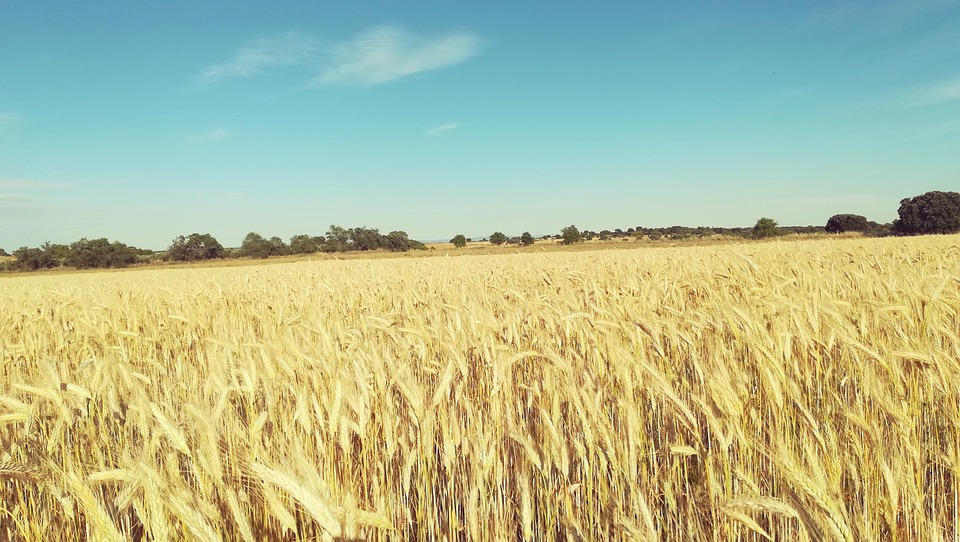
Summer is a pivotal season for farmers, as the warm temperatures and extended daylight hours provide the perfect conditions for crop growth and development. However, this season also presents its own set of challenges, such as droughts, pests, and diseases. To maximize your yield and ensure a bountiful harvest, it’s crucial to adopt effective farming strategies tailored to the summer months. In this article, we explore top summer farming tips that will help you boost your harvest.
1. Choose the Right Crops
One of the most important factors in successful summer farming is selecting the appropriate crops. Certain crops thrive in the heat and can withstand the intense summer sun. Consider planting the following:
- Tomatoes: These sun-loving plants flourish in warm temperatures and can produce an abundant harvest with the right care.
- Peppers: Similar to tomatoes, peppers require plenty of sunshine and warm weather to thrive.
- Cucumbers: Fast-growing and heat-tolerant, cucumbers are an excellent choice for summer planting.
- Zucchini: This summer squash grows rapidly in warm climates and can be harvested multiple times throughout the season.
- Sweet Corn: A classic summer crop, sweet corn needs warm soil and long days of sunshine to reach its full potential.
2. Optimize Irrigation Practices
Effective irrigation is crucial during the summer months, as high temperatures can quickly lead to soil dehydration. To optimize your irrigation practices, consider the following tips:
Drip Irrigation
Drip irrigation is a highly efficient method of delivering water directly to the plant roots, minimizing evaporation and conserving water. This system is particularly beneficial in areas prone to droughts.
Watering Schedule
Water your crops early in the morning or late in the afternoon to reduce evaporation and ensure the water reaches the root zone. Avoid watering during the hottest part of the day.
Monitor Soil Moisture
Regularly check the moisture levels in your soil to ensure your crops are receiving adequate water. Invest in a moisture meter for accurate readings.
3. Implement Pest Control Measures
Pests can be a significant threat to summer crops, so it’s essential to implement effective pest control measures to protect your harvest:
Natural Predators
Encourage beneficial insects such as ladybugs and lacewings, which feed on common pests like aphids and caterpillars. Planting flowers like marigolds and daisies can attract these helpful insects.
Companion Planting
Strategically planting certain crops together can deter pests. For example, planting basil next to tomatoes can repel aphids and hornworms.
Organic Pesticides
If pests become a serious issue, consider using organic pesticides that are less harmful to the environment and non-target species. Neem oil and insecticidal soap are popular options.
4. Enhance Soil Health
Healthy soil is the foundation of a productive farm. To improve soil health during the summer, consider these strategies:
Composting
Regularly add compost to your soil to improve its structure, fertility, and water retention capabilities. Composting kitchen scraps and yard waste is an excellent way to create nutrient-rich organic matter.
Cover Crops
Planting cover crops like clover or buckwheat during the off-season can enhance soil health by fixing nitrogen, reducing erosion, and suppressing weeds.
Mulching
Apply a layer of organic mulch around your crops to regulate soil temperature, retain moisture, and suppress weed growth.
5. Protect Against Heat Stress
Extreme heat can stress plants and reduce their productivity. Implement these measures to protect your crops from heat stress:
Shade Cloth
Use shade cloth to provide relief from intense sunlight, especially for young or sensitive plants. This can prevent sunburn and reduce heat-related stress.
Windbreaks
Planting trees or installing windbreaks can reduce the drying effects of hot summer winds, helping to maintain soil moisture and protect crops.
Cooling Techniques
Misting systems or overhead sprinklers can help cool plants during the hottest parts of the day, reducing the risk of heat damage.
6. Plan for Succession Planting
Succession planting involves planting crops in staggered intervals to ensure a continuous harvest throughout the summer. This strategy maximizes your yield and reduces the risk of crop failure:
Timing
Plan your planting schedule based on the maturity dates of your crops. For example, plant a new row of lettuce every two weeks to maintain a constant supply.
Crop Rotation
Rotate your crops to prevent soil depletion and reduce the risk of disease. Avoid planting the same crop in the same location for consecutive seasons.
Variety Selection
Choose different varieties of the same crop with varying maturity dates to extend your harvest period. This ensures that you have fresh produce throughout the summer.
7. Monitor and Adjust Fertilization
Proper nutrition is essential for robust plant growth and high yields. Monitor your crops’ nutritional needs and adjust your fertilization practices accordingly:
Soil Testing
Conduct regular soil tests to determine nutrient levels and pH. This information will guide you in selecting the right fertilizers and amendments.
Organic Fertilizers
Utilize organic fertilizers such as compost, manure, or fish emulsion to provide essential nutrients while improving soil health.
Foliar Feeding
Foliar feeding, the application of liquid fertilizer directly to plant leaves, can provide a quick nutrient boost during periods of rapid growth or stress.
Conclusion
Summer farming presents both opportunities and challenges, but with the right strategies, you can maximize your harvest and ensure a successful growing season. By choosing the right crops, optimizing irrigation, implementing pest control measures, enhancing soil health, protecting against heat stress, planning for succession planting, and monitoring fertilization, you can boost your yield and enjoy a bountiful summer harvest. Embrace these tips and watch your farm flourish under the warm summer sun.
#ChatGPT assisted in the creation of this article.