
Greenhouse farming is an art and science that requires meticulous planning and strategic implementation. By mastering seasonal greenhouse management, farmers can ensure optimal yields throughout the year. This article will provide an in-depth guide to understanding and implementing effective seasonal strategies for greenhouse management.
Understanding the Basics of Greenhouse Management
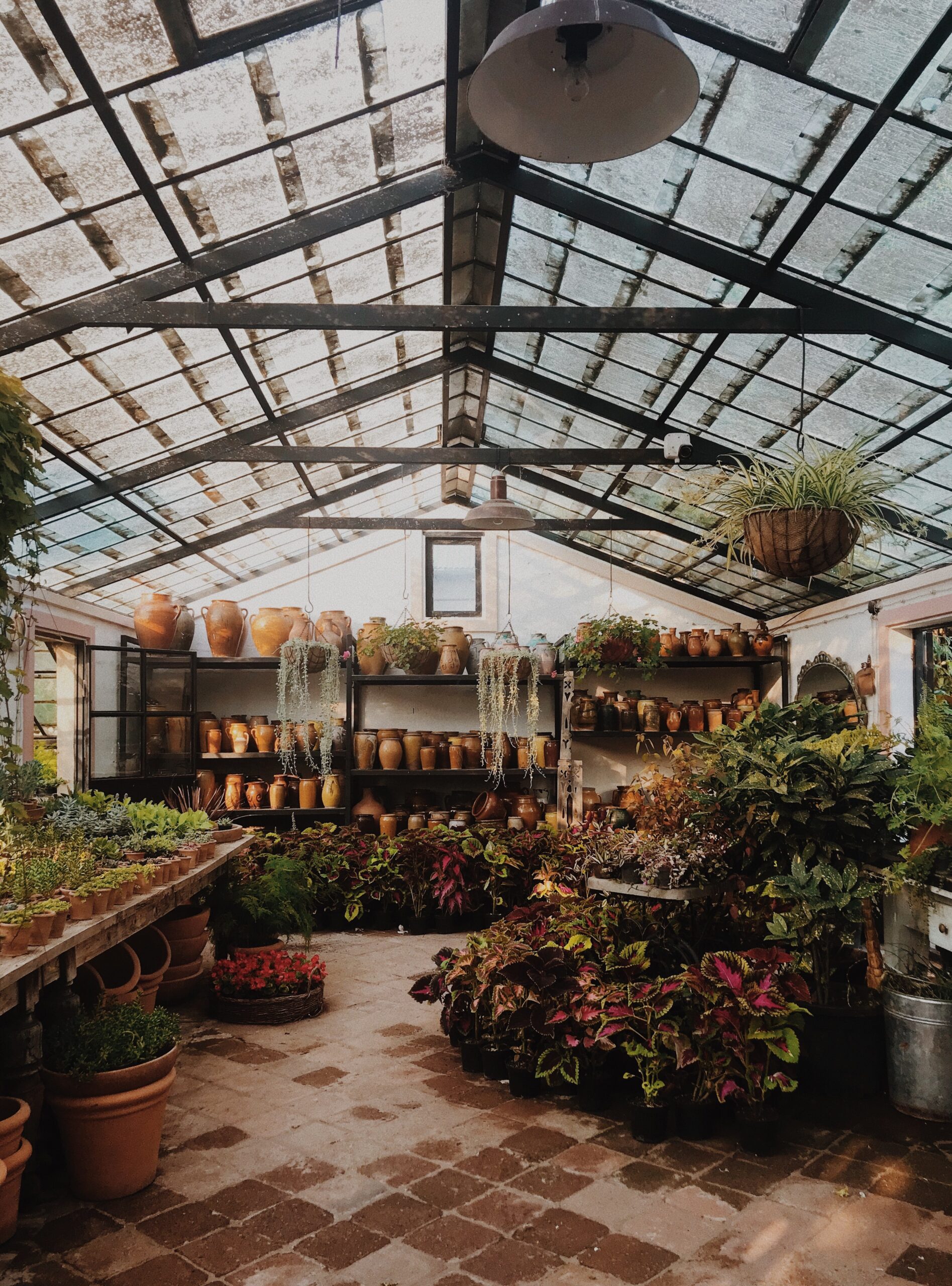
Greenhouse farming allows for controlled environment agriculture, which means you can manipulate the conditions to suit the needs of the plants. It involves managing temperature, humidity, light, and soil conditions to create an optimal growing environment.
Before diving into seasonal strategies, it is paramount to understand the fundamental aspects of greenhouse management:
- Temperature Control: The ability to manage temperature is critical in a greenhouse. This can be achieved through ventilation, heating systems, and shading.
- Humidity Regulation: Maintaining the right humidity levels prevents diseases and promotes healthy plant growth.
- Light Management: Ensuring that plants receive the right amount of light involves using artificial lighting during darker months and shading during intense sunlight periods.
- Soil and Nutrient Management: The choice of soil and nutrient supply affects plant health and yield. Regular testing and adjustments are necessary.
Seasonal Strategies for Greenhouse Management
Each season presents unique challenges and opportunities for greenhouse farming. By adapting strategies to suit different seasons, farmers can maximize productivity and yields.
Spring: Preparing for Growth
Spring is the season of renewal and growth. It is the time to prepare the greenhouse and plants for the upcoming growing season.
- Cleaning and Maintenance: Ensure the greenhouse structure is in good condition. Clean the greenhouse thoroughly to remove any mold, pests, or debris that may have accumulated during winter.
- Soil Preparation: Test and amend the soil to ensure it has the right pH and nutrient balance. Consider incorporating organic matter to improve soil health.
- Seed Starting: Start seeds indoors to give plants a head start. This can be done in trays or directly in the greenhouse if conditions allow.
- Irrigation System Check: Ensure that the irrigation system is working efficiently. Spring is the time to make any necessary repairs or upgrades.
Summer: Managing Heat and Maximizing Growth
Summer brings longer days and increased temperatures, which can be both beneficial and challenging for greenhouse farming.
- Ventilation and Cooling: Implement effective ventilation and cooling strategies to prevent heat stress. This may involve opening vents, using fans, or installing shade cloths.
- Water Management: Ensure plants receive adequate water, but avoid overwatering, as this can lead to root rot. Consider using drip irrigation for efficient water delivery.
- Pest and Disease Management: Monitor plants regularly for signs of pests and diseases, and take appropriate action quickly to prevent outbreaks.
- Harvesting: Regular harvesting during peak production times ensures that plants continue to produce and reduces the risk of disease.
Autumn: Transition and Preparation
Autumn is a transitional period that requires preparation for the colder months while still managing current crops.
- Crop Rotation: Consider crop rotation to prevent soil depletion and reduce pest and disease buildup. Plan and plant cover crops if needed.
- Light Management: As daylight decreases, consider using supplemental lighting to ensure plants receive adequate light for growth.
- Temperature Adjustments: Monitor nighttime temperatures closely and adjust heating systems as needed to protect plants from cold snaps.
- Harvest and Storage: Harvest remaining summer crops and start storing produce appropriately. Prepare for winter crops by planting hardy varieties.
Winter: Maintaining and Planning
Winter is a time of maintenance and planning for the upcoming growing season. It is also a period when certain crops can thrive under controlled conditions.
- Heating and Insulation: Ensure the greenhouse is properly insulated to conserve heat. Regularly check heating systems for efficiency.
- Winter Crops: Focus on growing winter-hardy crops such as leafy greens, root vegetables, and certain herbs that can thrive in cooler conditions.
- Pest Control: Pests can still be a problem in winter. Implement preventive measures and maintain cleanliness to minimize issues.
- Plan for Spring: Use this time to plan for the spring season. Order seeds, review past performance, and make strategic decisions for the next planting cycle.
Technological Advancements in Greenhouse Management
Leveraging technology can significantly enhance greenhouse management and improve yields. Here are some technological advancements to consider:
- Automated Systems: Automation can control irrigation, temperature, and lighting, making it easier to maintain optimal conditions.
- Data Monitoring and Analysis: Use sensors and software to monitor environmental conditions and plant health. Analyze data to make informed decisions.
- LED Lighting: Energy-efficient LED lights can provide the spectrum of light needed for photosynthesis, especially during darker months.
- Remote Monitoring: Mobile apps and cloud-based systems allow farmers to monitor and control greenhouse conditions remotely.
Challenges and Solutions in Seasonal Greenhouse Management
While greenhouse farming offers many advantages, it also presents challenges that require strategic solutions:
- Pest and Disease Control: Implement integrated pest management (IPM) techniques to manage pests while minimizing chemical use.
- Energy Costs: Consider renewable energy sources, such as solar panels, to offset heating and lighting costs.
- Resource Management: Efficient use of water and nutrients is crucial. Implement conservation practices to reduce waste.
- Climate Change Adaptation: Stay informed about climate trends and adapt strategies to mitigate adverse effects on greenhouse farming.
Conclusion
Mastering seasonal greenhouse management is essential for achieving optimal yields and ensuring sustainable farming practices. By understanding the unique requirements of each season and leveraging technology, farmers can create a productive and resilient greenhouse environment. Continuous learning and adaptation are key to thriving in the ever-evolving field of greenhouse farming.
#ChatGPT assisted in the creation of this article.