
In the ever-evolving world of agriculture, optimizing crop yield is a crucial goal for farmers striving to ensure food security and profitability. One of the most effective ways to achieve this is by making informed and strategic decisions about seed selection. The choice of seeds can significantly impact your crop’s health, resilience, and productivity. In this article, we will explore expert tips that can help you select the best seeds for your farm, leading to enhanced crop yield and sustainability.
Understanding Your Environment
Before diving into the specifics of seed selection, it’s essential to have a comprehensive understanding of your farm’s environment. Factors such as soil type, climate, and topography play a pivotal role in determining which seeds will thrive in your particular setting.
Soil Type
Analyze your soil type to determine its texture, pH level, and nutrient content. Different crops have varying soil preferences. For instance, sandy soils might be suitable for root crops like carrots, while clayey soils may favor crops like rice. Conducting a soil test will provide valuable insights into what types of seeds are more likely to succeed in your environment.
Climate Conditions
Understanding the climate of your region is crucial. Consider factors such as temperature, rainfall patterns, and frost dates. Warm-season crops like tomatoes and peppers thrive in hot climates, while cool-season crops like lettuce and broccoli prefer cooler temperatures. Choosing seeds that are well-suited to your local climate will enhance germination rates and overall crop success.
Topography
The landscape of your farm can influence water drainage and sunlight exposure. Sloped areas may require seeds that can withstand water runoff, while flat areas may benefit from seeds that require consistent moisture. Evaluating the topography will help you select seeds that are adaptable to your farm’s unique characteristics.
Selecting the Right Seed Variety
Once you have assessed your environment, the next step is to choose the right seed variety. This involves examining the traits of different seed types and their compatibility with your farming goals.
Hybrid vs. Open-Pollinated Seeds
Hybrid seeds are created by cross-breeding two different plant varieties to produce offspring with desirable traits such as disease resistance or increased yield. Open-pollinated seeds, on the other hand, are naturally pollinated and tend to be more genetically diverse. While hybrids often offer higher yields, open-pollinated seeds allow for seed saving and maintaining traditional varieties. Consider your long-term goals when deciding between these options.
Genetically Modified Organisms (GMOs)
GMOs are engineered to possess specific traits such as pest resistance or drought tolerance. While they can offer significant advantages in terms of yield and resilience, there is ongoing debate about their environmental and health impacts. If you choose to use GMO seeds, ensure compliance with local regulations and consider the preferences of your market.
Heirloom Varieties
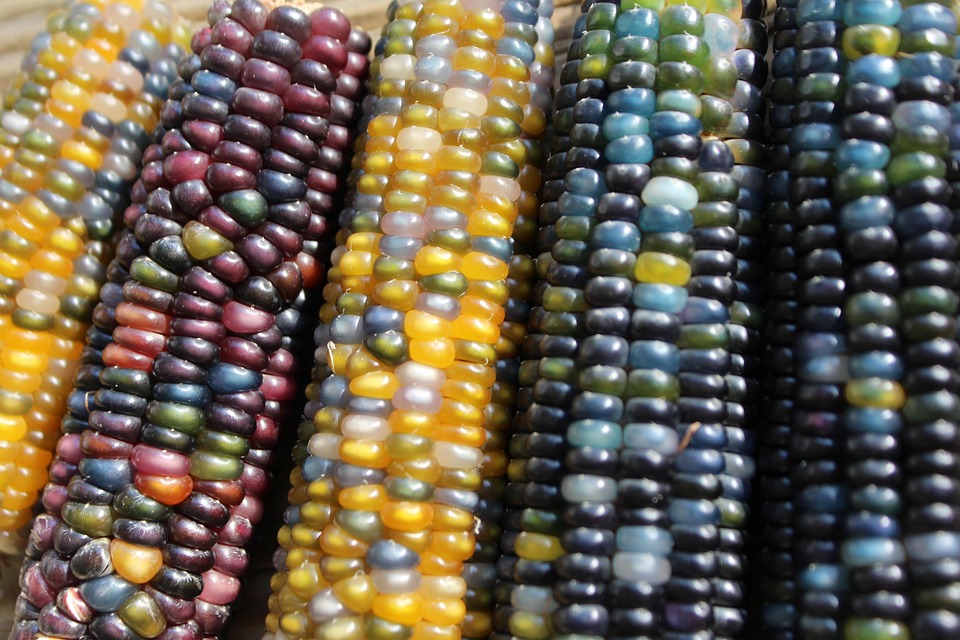
Heirloom seeds are traditional varieties that have been passed down through generations. They are cherished for their unique flavors and historical significance. Though they may not always offer the highest yields, heirloom seeds contribute to biodiversity and can be an excellent choice for niche markets or personal gardens.
Evaluating Seed Quality
The quality of the seeds you select directly impacts germination rates and plant vigor. Here are some factors to consider when assessing seed quality:
Germination Rate
The germination rate indicates the percentage of seeds expected to sprout under optimal conditions. High-quality seeds typically have a germination rate of 80% or higher. Check the seed packet or supplier information to ensure you’re investing in seeds with a favorable germination rate.
Seed Health
Inspect seeds for signs of damage, discoloration, or disease. Healthy seeds should be plump, firm, and free from blemishes. Purchasing seeds from reputable suppliers reduces the risk of introducing diseases to your crops.
Seed Storage
Proper storage is essential to maintaining seed viability. Store seeds in a cool, dry place away from direct sunlight. Airtight containers can help prevent moisture damage. Pay attention to expiration dates and avoid using old or expired seeds, as they may have reduced germination rates.
Planning for Diversity
Diversity in your crop selection can enhance resilience and reduce the risk of total crop failure. By planting a variety of crops, you can mitigate the impact of pests, diseases, and adverse weather conditions.
Crop Rotation
Implementing a crop rotation plan involves changing the type of crop grown in a particular area each season. This practice helps prevent soil depletion and reduces the buildup of pests and diseases. When selecting seeds, consider how they fit into your crop rotation strategy.
Companion Planting
Companion planting involves growing different crops together to benefit each other. For example, planting marigolds with tomatoes can deter nematodes, while beans can fix nitrogen in the soil for neighboring plants. Research compatible plant pairings to maximize the advantages of companion planting.
Conclusion
Optimizing crop yield through expert seed selection requires a thoughtful and informed approach. By understanding your environment, selecting the right seed variety, evaluating seed quality, and planning for diversity, you can enhance your farm’s productivity and sustainability. As you embark on your seed selection journey, remember that experimentation and adaptation are key. Stay informed about new seed technologies and agricultural practices to continue improving your crop yields and contributing to a more food-secure future.
By investing time and effort into the seed selection process, you can unlock the full potential of your farm and ensure bountiful harvests for years to come.
#ChatGPT assisted in the creation of this article.