
Climate change poses a significant threat to global agriculture, impacting crop yields, soil fertility, and water availability. As the world grapples with these changes, innovative climate-smart agriculture (CSA) strategies are emerging as essential tools for transforming farming. CSA aims to increase productivity sustainably, enhance resilience to climate change, and reduce greenhouse gas emissions. This article explores various innovative CSA strategies that are revolutionizing farming practices and ensuring food security in a changing climate.
Understanding Climate-Smart Agriculture
Climate-smart agriculture is an approach that integrates the complexities of climate change into the agricultural sector. It focuses on three primary objectives: sustainably increasing agricultural productivity and incomes, adapting and building resilience to climate change, and reducing or removing greenhouse gases emissions, where possible. This approach requires a nuanced understanding of local environmental conditions, traditional practices, and the socio-economic context of farming communities.
Innovative CSA Strategies
1. Precision Agriculture
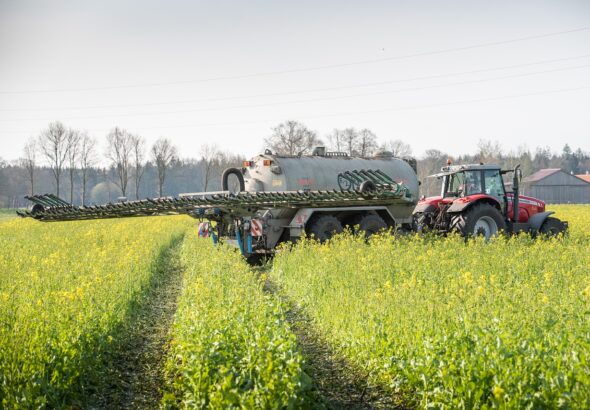
Precision agriculture involves using technology to monitor and manage field variability in crops. It employs tools like GPS, sensors, and drones to collect data on soil moisture, nutrient levels, and crop health. This data-driven approach enables farmers to apply inputs like water, fertilizers, and pesticides more efficiently, reducing wastage and minimizing environmental impact. By optimizing resource use, precision agriculture enhances productivity and profitability while conserving natural resources.
2. Agroforestry
Agroforestry is a land-use system that integrates trees and shrubs into agricultural landscapes. This practice enhances biodiversity, improves soil fertility, and provides shade and shelter for crops and livestock. Trees act as carbon sinks, sequestering atmospheric carbon dioxide and mitigating climate change. Moreover, agroforestry can diversify farmers’ income through the sale of timber, fruits, and other tree-related products. By mimicking natural ecosystems, agroforestry creates more resilient and sustainable farming systems.
3. Conservation Agriculture
Conservation agriculture focuses on sustainable land management practices that enhance soil health and reduce erosion. It involves minimal soil disturbance, maintaining a permanent soil cover, and crop rotation. These practices increase soil organic matter, enhance water retention, and improve nutrient cycling. Conservation agriculture not only boosts yields but also reduces the need for chemical fertilizers and enhances resilience to climate extremes, such as droughts and floods.
4. Integrated Pest Management (IPM)
Integrated Pest Management is an ecological approach to pest control that combines biological, cultural, mechanical, and chemical methods. By promoting the use of natural predators and resistant crop varieties, IPM reduces reliance on chemical pesticides, which can harm the environment and human health. This strategy helps maintain ecological balance, enhances biodiversity, and builds resilience against pest outbreaks, which may become more frequent with climate change.
5. Improved Water Management
Water scarcity is a pressing issue exacerbated by climate change. Innovative water management strategies, such as rainwater harvesting, drip irrigation, and the use of drought-resistant crop varieties, are crucial for ensuring water efficiency. These approaches help maximize crop yields with minimal water use, reducing the stress on water resources. By improving water use efficiency, farmers can adapt to changing precipitation patterns and ensure sustainable agricultural production.
6. Climate-Resilient Crop Varieties
Developing and adopting climate-resilient crop varieties is essential for maintaining productivity in the face of climate change. These varieties are bred to tolerate extreme weather conditions, such as heat, drought, and flooding. Biotechnology and genetic engineering play a significant role in developing crops with enhanced nutritional profiles, disease resistance, and adaptability. By reducing the vulnerability of crops to climate stressors, farmers can secure stable yields and food supplies.
Community and Policy Support for CSA
Implementing innovative CSA strategies requires strong community involvement and supportive policies. Farmers need access to education, training, and resources to adopt new practices effectively. Governments and organizations can facilitate this by providing financial incentives, technical support, and infrastructure development. Policies that promote research and innovation in agriculture, as well as climate adaptation funding, are crucial for scaling up CSA initiatives and fostering sustainable agricultural development.
Challenges and Opportunities
While CSA offers numerous benefits, there are challenges in its implementation. Smallholder farmers, who are often the most vulnerable to climate change, may face barriers in accessing technology and resources. Bridging this gap requires targeted interventions, such as subsidies, microfinancing, and capacity-building programs. Additionally, creating markets for climate-smart products can incentivize farmers to adopt sustainable practices. As awareness grows, there are opportunities for collaboration between governments, research institutions, and the private sector to drive CSA innovation.
Conclusion
Innovative climate-smart agriculture strategies are transforming farming by enhancing productivity, resilience, and sustainability. These approaches address the multifaceted challenges posed by climate change, ensuring food security for future generations. By embracing precision agriculture, agroforestry, conservation practices, integrated pest management, improved water management, and resilient crop varieties, farmers can adapt to changing climatic conditions. With strong community support and enabling policies, CSA can pave the way for a more sustainable and food-secure future in agriculture.
#ChatGPT assisted in the creation of this article.