Dairy farming is a cornerstone of agriculture, providing essential nutrients to billions of people worldwide. To achieve peak productivity, dairy farmers must optimize every aspect of their operations. This involves not only improving milk yield but also enhancing the overall health and welfare of the herd. This article explores various strategies to optimize dairy farming management, focusing on nutrition, herd health, technology integration, and sustainable practices.
Nutrition Management
Balanced Diets for High Performance
Nutrition plays a crucial role in dairy farming productivity. A balanced diet tailored to the specific needs of dairy cattle is essential for maximizing milk production. Farmers should work with nutritionists to design feed programs that provide the right balance of carbohydrates, proteins, fats, vitamins, and minerals. The use of high-quality forage, such as alfalfa and clover, can significantly improve milk yield and quality.
Precision Feeding Techniques
Precision feeding involves using data-driven approaches to tailor feeding regimens to individual cows or groups of cows with similar nutritional needs. This can be achieved through technologies like RFID tags and computerized feeding systems, allowing for real-time monitoring and adjustments. By preventing overfeeding or underfeeding, farmers can optimize feed efficiency and reduce costs.
Herd Health Management
Preventive Veterinary Care
Preventive veterinary care is essential for maintaining a healthy herd. Regular health check-ups, vaccinations, and parasite control programs can prevent diseases and reduce mortality rates. Collaborating with veterinarians to develop a comprehensive herd health plan ensures early detection and treatment of illnesses, minimizing disruptions in milk production.
Stress Reduction and Animal Welfare
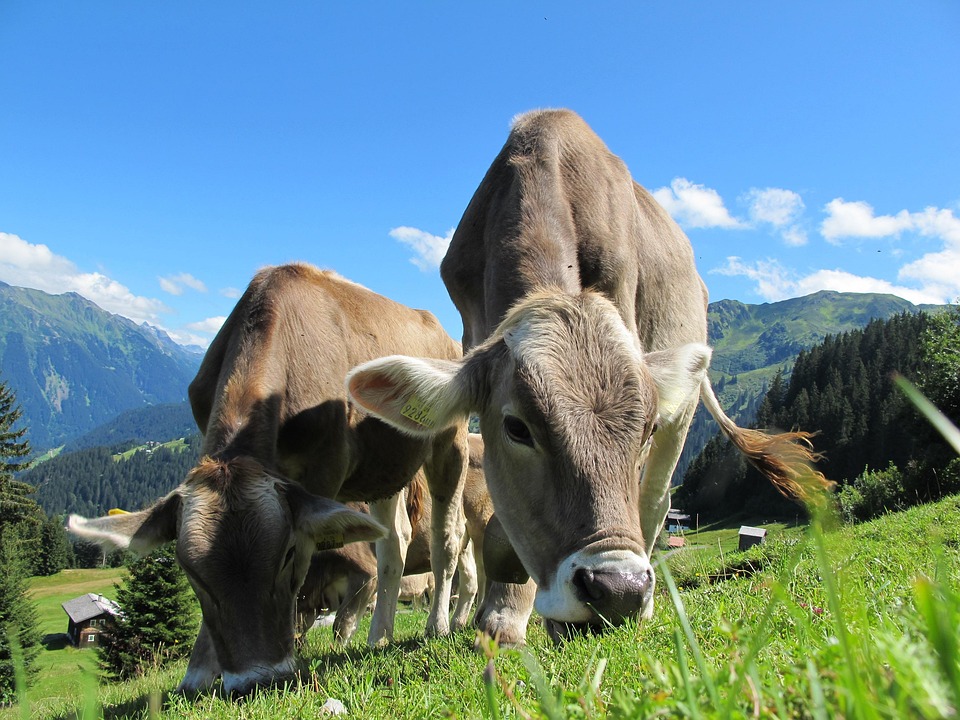
Stress adversely affects milk production and overall cow health. Farmers should focus on creating a low-stress environment by providing adequate housing, ventilation, and space. Implementing practices like regular grooming, comfortable bedding, and access to pasture can significantly enhance animal welfare, leading to increased productivity and longevity.
Technology Integration
Automated Milking Systems
Automated milking systems (AMS) have revolutionized dairy farming by increasing efficiency and reducing labor costs. These systems allow cows to be milked on their schedule, improving udder health and increasing milk yield. The data collected from AMS can be analyzed to monitor individual cow performance and identify areas for improvement.
Data Analytics and Farm Management Software
Leveraging data analytics and farm management software enables farmers to make informed decisions. These tools provide insights into milk production trends, herd health, and feed efficiency. By analyzing this data, farmers can identify patterns, predict potential issues, and implement timely interventions to optimize productivity.
Sustainable Practices
Waste Management and Recycling
Sustainable waste management practices are essential for minimizing the environmental impact of dairy farming. Implementing systems for manure recycling, such as anaerobic digesters, can reduce greenhouse gas emissions and produce valuable by-products like biogas and fertilizer. Efficient waste management also helps maintain a clean and healthy environment for the herd.
Water and Energy Conservation
Water and energy conservation are critical components of sustainable dairy farming. Installing water-saving devices and optimizing irrigation systems can significantly reduce water usage. Additionally, investing in renewable energy sources, such as solar or wind power, can lower energy costs and reduce the farm’s carbon footprint.
Conclusion
Optimizing dairy farming management for peak productivity requires a holistic approach that encompasses nutrition, herd health, technology integration, and sustainable practices. By focusing on these key areas, farmers can enhance milk production, improve animal welfare, and ensure the long-term viability of their operations. As the global demand for dairy products continues to grow, adopting these strategies will be crucial for meeting consumer needs while maintaining environmental and economic sustainability.
#ChatGPT assisted in the creation of this article.