
Fall, with its crisp air and colorful foliage, is a crucial time for farmers and gardeners alike. It’s the season when the year’s hard work culminates in the harvesting of crops. To ensure bountiful yields, understanding the nuances of fall harvesting and implementing strategic practices is essential. This ultimate guide provides insights into various aspects of fall harvesting, from crop selection to storage techniques, ensuring your efforts translate into abundant produce.
Understanding Fall Crops
Before diving into the specifics of harvesting, it’s crucial to understand which crops are best suited for fall. Many vegetables thrive in the cooler temperatures of autumn, exhibiting optimal growth and flavor during this season.
Root Vegetables
Root vegetables like carrots, beets, and radishes are quintessential fall crops. These plants thrive in the cool soil of autumn and often become sweeter after a light frost. Harvesting them at the right time ensures maximum flavor and nutrition.
Leafy Greens
Leafy greens, including spinach, kale, and Swiss chard, flourish in the fall. These crops benefit from cooler temperatures, which prevent bolting and enhance their flavor profile.
Brassicas
Brassicas, such as broccoli, cauliflower, and Brussels sprouts, are ideal for fall. These vegetables develop more robust flavors in cooler weather and often yield larger heads when harvested in autumn.
Squashes and Pumpkins
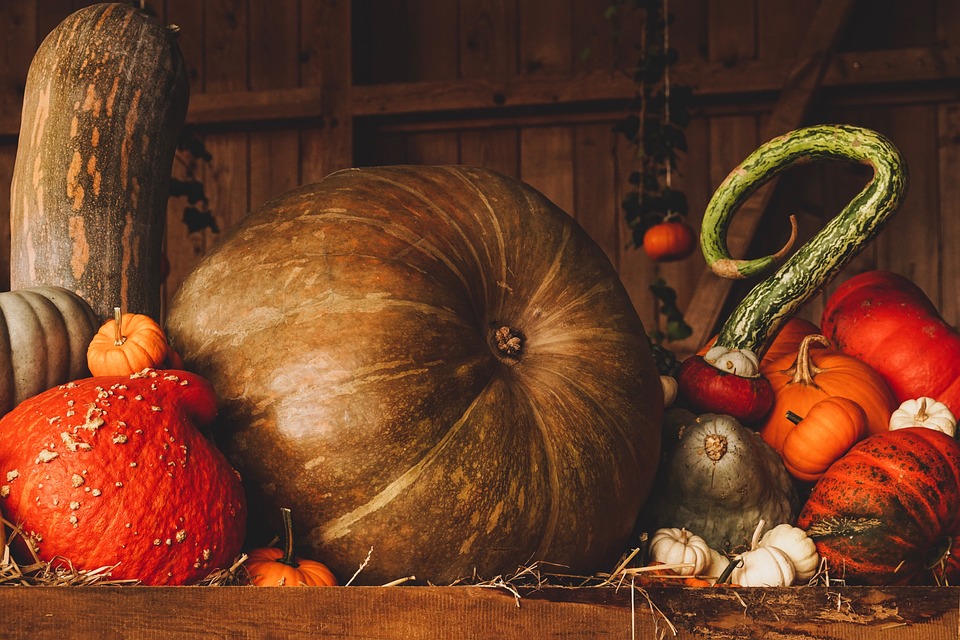
Winter squashes and pumpkins are iconic symbols of fall. These crops require proper timing and techniques for harvesting to maximize their storage potential and nutritional value.
Timing Your Harvest
One of the most crucial elements of a successful fall harvest is timing. Harvesting your crops at the right moment ensures maximum flavor, nutrition, and storage potential.
Monitoring Weather Conditions
Keep a close eye on the weather as fall progresses. A light frost can enhance the sweetness of some crops, but a hard freeze can damage others. Understanding the specific needs of each crop allows you to plan your harvest accordingly.
Identifying Maturity Indicators
Each crop has unique indicators that signal it is ready for harvest. For example, carrots and beets should be firm and brightly colored, while squash should have hard, unblemished rinds. Familiarize yourself with these indicators to ensure your crops are harvested at their peak.
Staggered Harvesting
To manage your workload and ensure a continuous supply of fresh produce, consider staggered harvesting. Planting crops at different intervals during the growing season allows you to harvest them over an extended period in the fall.
Harvesting Techniques
Proper harvesting techniques are vital for preserving the quality and longevity of your crops. Different crops require different methods, so it’s essential to employ the right techniques for each type.
Hand Harvesting
Many fall crops, particularly delicate leafy greens and root vegetables, benefit from careful hand harvesting. Use a sharp knife or scissors to avoid damaging the plants and to encourage regrowth in some cases.
Using Tools and Machinery
For larger operations, tools and machinery can expedite the harvesting process. Ensure your equipment is clean and well-maintained to prevent contamination and damage to the crops.
Minimizing Damage
Handle crops gently to minimize bruising and damage. This is especially important for storage crops like squashes and pumpkins, as any damage can lead to spoilage during storage.
Post-Harvest Handling and Storage
Once harvested, proper handling and storage of your crops are crucial to maintain their quality and extend their shelf life.
Cleaning and Sorting
After harvesting, clean your crops to remove dirt and debris. Sorting them by size and quality can help in storage and sale, allowing you to prioritize those that need to be used or sold first.
Optimal Storage Conditions
Different crops require different storage conditions to maintain their freshness and nutritional value. Root vegetables, for example, store well in cool, humid environments, while squashes prefer a cool, dry setting. Understanding these needs is key to successful long-term storage.
Preservation Techniques
Explore various preservation techniques to extend the usability of your harvest. Canning, freezing, and drying are popular methods that can help you enjoy your produce long after the fall season has ended.
Challenges and Solutions in Fall Harvesting
While fall provides ideal conditions for many crops, it also presents unique challenges. Being prepared and informed can help you tackle these issues effectively.
Pest and Disease Management
Fall can bring about a resurgence of pests and diseases as crops mature. Implementing integrated pest management strategies and regularly inspecting your plants can help mitigate these issues.
Weather-Related Challenges
Unpredictable weather, such as early frosts or heavy rains, can impact your harvest. Stay informed about local weather patterns and be prepared with contingency plans, such as frost covers or drainage solutions.
Labor Management
The labor-intensive nature of harvesting can be a challenge. Organize and train your workforce efficiently or seek help from community groups or volunteers during peak times.
Conclusion
The fall harvest is a rewarding culmination of months of hard work and dedication. By understanding the unique needs of fall crops, timing your harvest correctly, and employing proper techniques, you can achieve bountiful yields. Additionally, effective post-harvest handling and storage ensure you can enjoy the fruits of your labor well beyond the autumn season. With this ultimate guide, you’re equipped to make the most of your fall harvest, ensuring a successful and satisfying end to the growing year.
#ChatGPT assisted in the creation of this article.