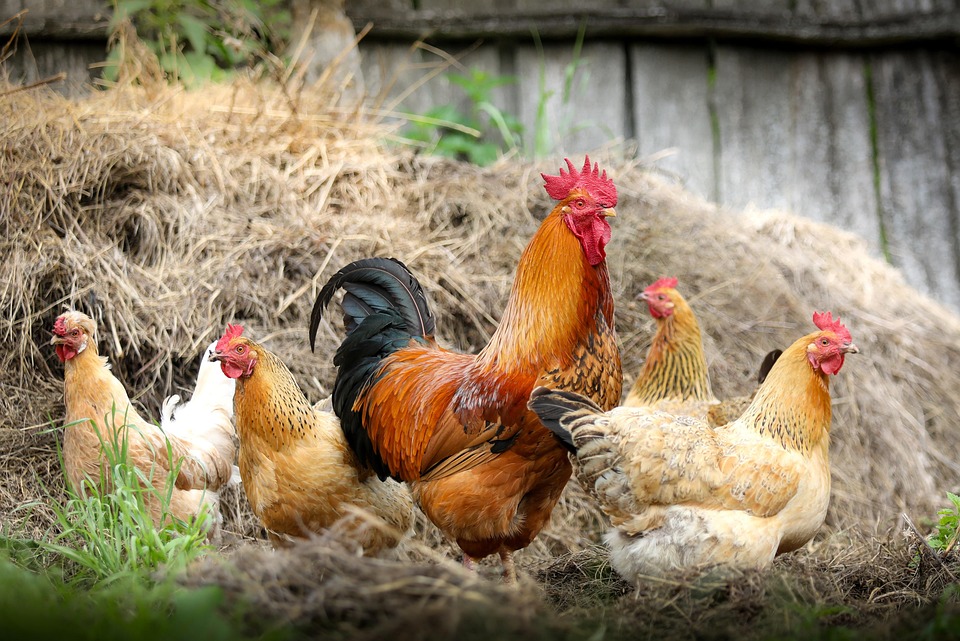
Poultry farming is a rewarding venture that provides fresh eggs and meat, contributing significantly to food security and economic development. However, achieving optimal success in poultry farming requires more than just basic knowledge. It demands strategic planning, proper management, and an understanding of the needs of your poultry. In this article, we will explore top poultry farming tips that can help you achieve success in your poultry venture.
Understanding Your Poultry Breed
One of the first steps to succeeding in poultry farming is understanding the specific needs of your poultry breed. Different breeds have varying requirements in terms of space, nutrition, and environmental conditions.
Choosing the Right Breed
Selecting the right breed is crucial. Whether you are interested in egg production, meat production, or dual-purpose breeds, understanding the characteristics of each will guide your decision-making. For instance, leghorns are excellent for egg production, while Cornish Cross chickens are popular for meat.
Adaptability and Climate
Consider the adaptability of the breed to your local climate. Some breeds are more heat-tolerant, while others thrive better in cooler conditions. Ensuring your poultry is well-suited to your environment can reduce stress and enhance productivity.
Providing Adequate Housing
The housing you provide for your poultry is pivotal to their health and productivity. A well-designed coop should offer protection from predators, harsh weather, and facilitate easy management.
Space Requirements
Overcrowding can lead to stress, increased disease transmission, and poor growth rates. Ensure that your poultry has enough space to move freely. Generally, allow at least 2-3 square feet per bird in the coop and 8-10 square feet in the run.
Ventilation and Lighting
Proper ventilation is essential to prevent respiratory diseases and maintain air quality. Implement a design that allows for fresh air circulation without exposing birds to drafts. Adequate lighting, especially in layers, is essential to stimulate egg production. Aim for about 16 hours of light per day.
Nutritional Management
Nutrition plays a vital role in the growth, health, and productivity of your poultry. Providing a balanced diet tailored to the specific needs of your birds is essential.
Feeding Practices
Feed your poultry with high-quality commercial feed that meets their nutritional needs. Supplement with grains, greens, and occasional treats to provide variety and additional nutrients. Ensure access to fresh, clean water at all times.
Stage-Specific Nutrition
The nutritional needs of poultry change with age. Chicks require a starter feed with higher protein content, while growers and layers have different dietary requirements. Adjust your feeding program accordingly to optimize growth and productivity.
Implementing Biosecurity Measures
Preventing disease in your poultry flock is critical. Biosecurity measures help protect your birds from pathogens and minimize the risk of disease outbreaks.
Isolation and Quarantine
Isolate new birds from your existing flock for at least two weeks to monitor for signs of illness. Quarantine sick birds immediately to prevent the spread of disease.
Sanitation Practices
Regular cleaning and disinfection of the coop, feeders, and waterers are essential. Remove waste promptly and maintain dry bedding to minimize the risk of bacterial and fungal infections.
Regular Health Monitoring
Keeping a close eye on the health of your poultry can help you detect and address issues before they become severe.
Signs of Good Health
Healthy birds are active, with bright eyes, smooth feathers, and good appetite. Regularly observe your birds for any changes in behavior or appearance.
Vaccination and Veterinary Care
Consult with a veterinarian to establish a vaccination schedule tailored to your flock’s needs. Regular check-ups can help detect health issues early, ensuring prompt treatment.
Optimizing Egg Production
For those interested in egg production, several strategies can enhance the quantity and quality of eggs produced by your flock.
Nesting Boxes
Provide enough nesting boxes (one for every 4-5 hens) to encourage egg laying. Keep nesting areas clean, comfortable, and easily accessible to reduce stress on laying hens.
Layer Feed and Supplements
Supply your layers with feed that meets their specific nutritional requirements. Consider supplements such as oyster shells for calcium, which is vital for strong eggshells.
Managing Stress in Poultry
Stress negatively affects the health and productivity of your poultry. Understanding and minimizing stressors can significantly enhance your flock’s well-being.
Environmental Enrichment
Provide environmental enrichment such as perches, dust baths, and toys to keep your birds mentally stimulated and reduce boredom.
Handling and Interaction
Limit handling to reduce stress, especially during routine management practices. If interaction is necessary, handle birds gently and calmly.
Marketing and Business Strategy
Successful poultry farming extends beyond production to include effective marketing and business strategies.
Understanding Market Demand
Research your local market to understand demand trends for poultry products. Tailor your production to meet these demands, whether it involves organic products, specific breeds, or value-added products.
Branding and Sales Channels
Develop a strong brand identity that resonates with your target audience. Explore various sales channels such as farmers’ markets, local grocers, and online platforms to maximize your reach.
Conclusion
Achieving optimal success in poultry farming requires a comprehensive approach that encompasses breed selection, housing, nutrition, health management, and strategic marketing. By understanding and implementing these top poultry farming tips, you can enhance the productivity and profitability of your venture. Remember, consistent monitoring and adaptation to changing conditions are key to maintaining a successful poultry farm. With dedication and the right strategies, poultry farming can be a fulfilling and lucrative endeavor.
“`
#ChatGPT assisted in the creation of this article.