
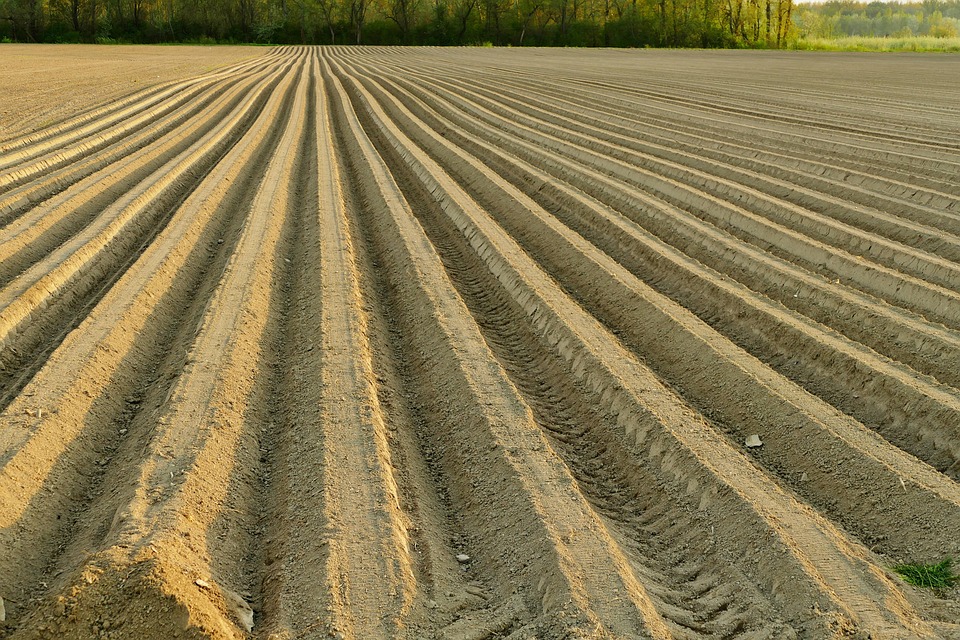
For farmers and gardeners alike, the success of a harvest is often determined long before the first seeds are sown. The art of soil preparation is a crucial step in the agricultural process that can significantly impact crop yield and quality. Seasonal soil preparation is an ongoing cycle that requires understanding the unique needs of each season, and how these needs influence the health and productivity of the soil. This article aims to provide comprehensive tips and insights into optimizing your harvest through effective soil preparation techniques tailored to each season.
Understanding Seasonal Soil Dynamics
Soil dynamics change with the seasons, influenced by weather patterns, temperature fluctuations, and moisture levels. These factors affect soil structure, nutrient availability, and biological activity. Understanding these dynamics is imperative for effective soil management.
Winter: Laying the Foundation
Winter is a period of dormancy for many crops, providing an opportunity to focus on soil improvement. During this time, soil can be amended and protected to enhance its structure and fertility for the growing season ahead. Key practices for winter soil preparation include:
- Cover Cropping: Planting cover crops such as clover, vetch, or rye can protect soil from erosion, suppress weeds, and improve soil organic matter. These crops fix nitrogen and improve soil structure when tilled under in the spring.
- Soil Testing: Conduct soil tests to determine nutrient levels and pH. This information will guide amendments needed to correct deficiencies and optimize soil health.
- Composting: Start or maintain a compost pile to produce rich organic matter. Incorporate finished compost into the soil to enhance nutrient content and microbial activity.
Spring: Awakening the Soil
As temperatures rise and daylight increases, the soil awakens from its winter slumber. Spring is a critical time for preparing the soil to support the growth of new plants.
- Tilling and Aeration: Light tilling or aeration can help loosen compacted soil, improving drainage and root penetration. Be cautious not to over-till, as this can disrupt soil structure.
- Fertilization: Based on winter soil test results, apply balanced fertilizers to replenish depleted nutrients. Organic options such as bone meal or fish emulsion are excellent choices.
- Mulching: Apply mulch to conserve moisture, regulate soil temperature, and suppress weed growth. Organic mulches like straw or wood chips also add organic matter as they decompose.
Summer: Maintaining Soil Health
Summer brings heat and, in many regions, dry conditions, which can stress plants and deplete soil moisture and nutrients. Maintaining soil health during this season is key to sustaining crop productivity.
- Irrigation Management: Implement efficient irrigation practices to ensure consistent soil moisture levels. Drip irrigation or soaker hoses minimize water loss and reduce evaporation.
- Weed Control: Regularly monitor and manage weed growth, as weeds compete with crops for nutrients and water. Mechanical weeding or organic herbicides are effective methods.
- Soil Coverage: Continue to use mulch and cover crops to protect soil from erosion and moisture loss. Consider using living mulches like clover that also provide nitrogen fixation.
Fall: Preparing for the Next Cycle
Fall is a time to prepare the soil for the upcoming winter and the next growing season. It is also an opportunity to rejuvenate and restore soil health after the demands of summer cropping.
- Organic Matter Addition: Incorporate crop residues, fallen leaves, and other organic materials into the soil to enhance its structure and nutrient content.
- Soil Testing: Conduct another round of soil tests to assess changes in soil composition and adjust nutrient management plans accordingly.
- Winter Cover Crops: Plant winter cover crops to prevent erosion, fix nitrogen, and improve soil organic matter for the next growing season.
Advanced Soil Preparation Techniques
For those seeking to further optimize their harvest, advanced soil preparation techniques offer additional benefits and improvements in soil health and productivity.
Green Manuring
Green manuring involves growing specific crops, such as legumes or grasses, and then incorporating them into the soil while still green. This practice enhances soil fertility, structure, and organic matter content.
Biochar Application
Biochar, a form of charcoal produced from plant matter, can be added to soil to improve nutrient retention, enhance microbial activity, and increase water-holding capacity.
Soil Solarization
Soil solarization utilizes the sun’s energy to heat the soil, effectively reducing soil-borne pests and diseases. This technique involves covering the soil with clear plastic during the hottest months to trap solar energy.
The Role of Technology in Soil Preparation
Modern technology offers innovative solutions for soil preparation, allowing for more precise and efficient management practices.
Precision Agriculture
Precision agriculture uses GPS technology, sensors, and data analytics to optimize soil preparation. This approach enables farmers to apply the right amount of inputs at the right time and location.
Soil Health Monitoring
Advanced soil health monitoring tools provide real-time data on soil moisture, temperature, and nutrient levels. These insights help farmers make informed decisions about soil management practices.
Conclusion
Optimizing your harvest begins with effective soil preparation tailored to the unique demands of each season. By understanding seasonal soil dynamics, implementing advanced techniques, and leveraging technology, farmers and gardeners can create a thriving environment for their crops. With careful planning and execution, your soil will support bountiful harvests year after year.
#ChatGPT assisted in the creation of this article.