
The agricultural sector, a cornerstone of human civilization, is undergoing a transformation driven by the integration of cutting-edge technologies. Farm automation, which encompasses a wide range of tools and techniques, is at the forefront of this revolution. As the global population continues to soar, the demand for food increases, pressing the need for more efficient and sustainable farming practices. This article explores the top farm automation techniques that are revolutionizing agriculture, highlighting how they enhance productivity, improve resource management, and promote sustainable practices.
Precision Agriculture
Precision agriculture is a farming management concept that uses information technology to ensure that crops and soil receive exactly what they need for optimum health and productivity. This technique involves the use of sensors, satellites, and drones to monitor and manage agricultural fields at a micro level.
Soil and Crop Monitoring
Soil sensors provide vital information on moisture, temperature, and nutrient levels, allowing farmers to make data-driven decisions on irrigation and fertilization. Similarly, crop monitoring through drones equipped with multispectral sensors can assess crop health and identify issues like pest infestation or nutrient deficiency early on.
Variable Rate Technology (VRT)
VRT allows for the application of inputs (seeds, fertilizers, pesticides) at variable rates across a field, based on precise data collected through sensors and GPS technology. This targeted approach reduces waste, decreases costs, and minimizes environmental impact.
Robotics and Automation
The use of robotics in agriculture is expanding rapidly, offering solutions that range from planting and harvesting to packing and sorting. Robots are designed to perform repetitive and labor-intensive tasks, enhancing efficiency and reducing the need for manual labor.
Autonomous Tractors and Machinery
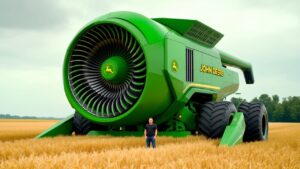
Autonomous tractors equipped with GPS and artificial intelligence (AI) are capable of performing tasks like plowing, seeding, and spraying with minimal human intervention. These machines operate with high precision, reducing soil compaction and optimizing field operations.
Harvesting Robots
Harvesting robots are designed to pick fruits and vegetables with care, minimizing damage and maximizing yield. These robots use AI and computer vision to identify ripe produce and operate efficiently in various weather conditions.
IoT and Smart Farming
The Internet of Things (IoT) is a network of interconnected devices that communicate and share data. In agriculture, IoT devices are used to create smart farms, where every aspect of farming is monitored and controlled.
Smart Irrigation Systems
Smart irrigation systems utilize IoT sensors to monitor soil moisture and weather conditions, adjusting water usage accordingly. This technology helps conserve water and ensures that crops receive adequate hydration.
Livestock Monitoring
IoT devices in livestock farming can track the health, activity, and location of animals. Wearable sensors provide data on vital signs and behaviors, allowing farmers to detect health issues early and improve animal welfare.
Artificial Intelligence and Machine Learning
AI and machine learning are transforming agriculture by providing insights and automating decision-making processes. These technologies analyze vast amounts of data to forecast trends, optimize operations, and enhance productivity.
Predictive Analytics
Predictive analytics utilizes AI to analyze historical and real-time data, predicting crop yields, pest outbreaks, and weather patterns. This foresight enables farmers to plan ahead and mitigate risks effectively.
Automated Decision-Making
Machine learning algorithms assist in making informed decisions on planting schedules, crop rotation, and resource allocation. By learning from data patterns, these algorithms help optimize farm management practices.
Vertical Farming and Controlled Environment Agriculture (CEA)
Vertical farming and CEA are innovative techniques that allow crops to be grown in controlled environments, often indoors, using hydroponics, aeroponics, or aquaponics. These methods maximize space and resources, making agriculture possible in urban areas and regions with limited arable land.
Hydroponics
Hydroponics involves growing plants in nutrient-rich water solutions without soil. This method provides precise control over nutrient supply and environmental conditions, leading to faster growth and higher yields.
LED Lighting
LED lighting is used in vertical farms to provide plants with the specific light spectra needed for photosynthesis. This technology allows for year-round production, independent of natural sunlight.
Conclusion
Farm automation is redefining the agricultural landscape, offering solutions that address the increasing demand for food while promoting sustainable practices. Precision agriculture, robotics, IoT, AI, and vertical farming are revolutionizing how food is produced, making agriculture more efficient, productive, and environmentally friendly. As these technologies continue to evolve, they hold the promise of transforming the future of farming, ensuring food security for generations to come.
#ChatGPT assisted in the creation of this article.