In the dynamic world of agriculture, understanding and leveraging weather patterns can make the difference between a bountiful harvest and a disappointing yield. Weather-based farming is an approach that integrates climatic conditions into agricultural practices to optimize crop production. This article delves into the intricacies of mastering weather-based farming, offering insights into how farmers can harness the power of weather to achieve optimal harvests.
The Importance of Weather in Agriculture
Weather is a critical factor in agriculture, influencing every aspect of the farming process. From planting to harvesting, weather conditions determine the growth rate of crops, pest and disease prevalence, and water availability. By understanding weather patterns, farmers can make informed decisions that enhance productivity and sustainability.
Impact on Crop Growth and Development
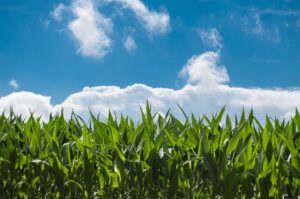
Temperature, rainfall, sunlight, and wind are key weather elements that affect crop growth. Each crop has specific requirements for these elements, and deviations can lead to stress or even crop failure. For instance, excessive rainfall can lead to waterlogging, while drought can stunt growth. By monitoring weather forecasts, farmers can adjust their planting schedules and manage irrigation to mitigate these effects.
Weather and Pest Management
Weather conditions directly impact pest and disease cycles. Warm and humid conditions, for example, can exacerbate pest infestations and disease outbreaks. Farmers can use weather data to predict pest cycles and implement timely pest management strategies, reducing the need for chemical interventions and promoting sustainable farming practices.
Tools and Technologies for Weather-Based Farming
Advancements in technology have revolutionized weather-based farming, providing farmers with tools to access real-time weather data and predictive analytics. These tools enable farmers to make proactive decisions, optimize resource usage, and enhance crop resilience.
Weather Stations and Sensors
Weather stations and sensors installed on farms collect data on temperature, humidity, rainfall, and wind speed. This data provides farmers with localized weather information, enabling precise management of their fields. By understanding microclimates within their farms, farmers can tailor their practices to suit specific areas.
Predictive Analytics and Weather Forecasting
Predictive analytics harness historical weather data and current conditions to forecast future weather patterns. These forecasts help farmers plan their activities, such as planting, fertilization, and harvesting, aligning them with favorable weather conditions. Advanced models can predict extreme weather events, allowing farmers to take preventive measures to safeguard their crops.
Strategies for Weather-Based Farming
Implementing weather-based farming requires strategic planning and adaptation to changing weather patterns. Farmers can adopt several strategies to optimize their farming practices based on weather conditions.
Crop Selection and Diversification
Selecting crops suited to the local climate is fundamental to weather-based farming. By understanding the climatic requirements of different crops, farmers can choose varieties that are more resilient to prevailing weather conditions. Crop diversification is another strategy that spreads risk and enhances resilience, as different crops respond differently to weather variations.
Adaptive Planting and Harvesting
Adaptive planting involves adjusting planting schedules based on weather forecasts to ensure optimal growth conditions. Similarly, harvesting can be timed to avoid adverse weather conditions, such as storms or heavy rains, which can damage crops. Flexibility in these operations is crucial for maximizing yields.
Water Management and Irrigation
Efficient water management is vital in weather-based farming. By monitoring weather forecasts and soil moisture levels, farmers can optimize irrigation schedules, conserving water and ensuring crops receive adequate moisture. Technologies such as drip irrigation and rainwater harvesting enhance water use efficiency.
Soil Health and Conservation
Healthy soil is the foundation of successful farming. Weather conditions can impact soil health, affecting its structure and fertility. Farmers can implement conservation practices such as cover cropping and reduced tillage to maintain soil health and protect it from erosion and nutrient depletion.
Challenges and Considerations
While weather-based farming offers numerous benefits, it also presents challenges. Farmers must navigate these challenges to successfully integrate weather into their farming practices.
Access to Accurate Weather Data
Access to reliable weather data is essential for weather-based farming. Farmers in remote areas may face challenges in obtaining real-time data, limiting their ability to make informed decisions. Collaborative efforts between governments, private companies, and agricultural organizations can improve data accessibility.
Climate Change and Unpredictable Weather Patterns
Climate change introduces uncertainties in weather patterns, making it difficult to rely solely on historical data for predictions. Farmers need to adopt flexible and adaptive strategies that can accommodate unexpected weather changes to maintain productivity.
Conclusion
Mastering weather-based farming is a dynamic process that requires continuous learning and adaptation. By understanding the interplay between weather and agriculture, utilizing advanced tools and technologies, and implementing strategic practices, farmers can optimize their harvests and contribute to sustainable food production. As climate change continues to reshape weather patterns, the ability to adapt and thrive in a weather-dependent environment will be crucial for the future of agriculture.
#ChatGPT assisted in the creation of this article.