
Spring is a season of renewal and growth, making it an ideal time for farmers to prepare and plan for the year ahead. The transition from the cold dormancy of winter to the warm, lively days of spring is crucial for setting the stage for a successful farming season. With strategic planning and timely execution of tasks, farmers can optimize their yields and ensure the health of their crops and livestock.
Soil Preparation: The Foundation of a Successful Season
The first step in spring farming is soil preparation. Healthy soil is the cornerstone of productive agriculture, and spring is the perfect time to ensure your soil is in optimal condition.
Testing the Soil
Begin by assessing the quality of your soil. Conducting a soil test will provide valuable insights into the nutrient levels and pH balance. Knowing the deficiencies in your soil allows you to tailor your fertilization strategy, ensuring your crops receive the necessary nutrients for optimal growth.
Tilling and Amending the Soil
Once you have a clear understanding of your soil’s condition, it’s time to till and amend it. Tilling helps to aerate the soil, breaking up compaction and allowing roots to penetrate more easily. Adding organic matter such as compost will improve soil structure, enhance moisture retention, and encourage beneficial microbial activity.
Choosing the Right Crops
Selecting the appropriate crops for your farm is crucial for maximizing productivity and profitability. Consider the climate, soil type, and market demand when choosing which crops to plant.
Understanding Your Climate Zone
Each region has its own unique climate characteristics that influence which crops will thrive. Familiarize yourself with your climate zone to make informed decisions about what to plant and when. Early spring is typically suitable for cold-tolerant crops such as peas, spinach, and lettuce.
Crop Rotation and Diversity
Incorporating crop rotation and diversity into your planting strategy can significantly benefit your farm. Rotating crops helps to prevent soil depletion, reduce pest and disease buildup, and improve overall soil health. Including a variety of crops also spreads risk and can lead to better overall yields.
Efficient Water Management
Water is an essential resource in farming, and efficient management is key to conserving this vital commodity and ensuring the health of your crops.
Setting Up Irrigation Systems
Spring is an excellent time to install or upgrade irrigation systems. Whether you utilize drip irrigation, sprinklers, or a combination of methods, ensure your system is designed to deliver water efficiently and evenly. Regularly inspect for leaks or clogs to maintain optimal performance.
Conserving Water
Implementing water conservation techniques can help reduce costs and environmental impact. Mulching around plants helps retain soil moisture and reduce evaporation. Additionally, consider rainwater harvesting systems to capture and store rainwater for later use.
Pest and Disease Management
Spring is a time when many pests and diseases become active. Implementing proactive measures can help protect your crops and livestock from potential threats.
Monitoring and Identifying Pests
Regularly inspect your crops for signs of pest activity. Early detection is crucial for effective management. Familiarize yourself with common pests in your area and learn to identify their presence through visual inspection and traps.
Integrated Pest Management
Adopt an Integrated Pest Management (IPM) approach to control pest populations sustainably. This includes using natural predators, introducing beneficial insects, and applying organic pesticides when necessary. Rotate chemical controls to prevent resistance build-up.
Livestock Care and Management
Spring is also an important time for livestock management. Ensuring the health and well-being of your animals is essential for a productive farming operation.
Pasture Preparation
Inspect and prepare pastures for grazing. This includes repairing fences, removing debris, and reseeding if necessary. Rotational grazing helps maintain pasture health and prevents overgrazing.
Health Checks and Vaccinations
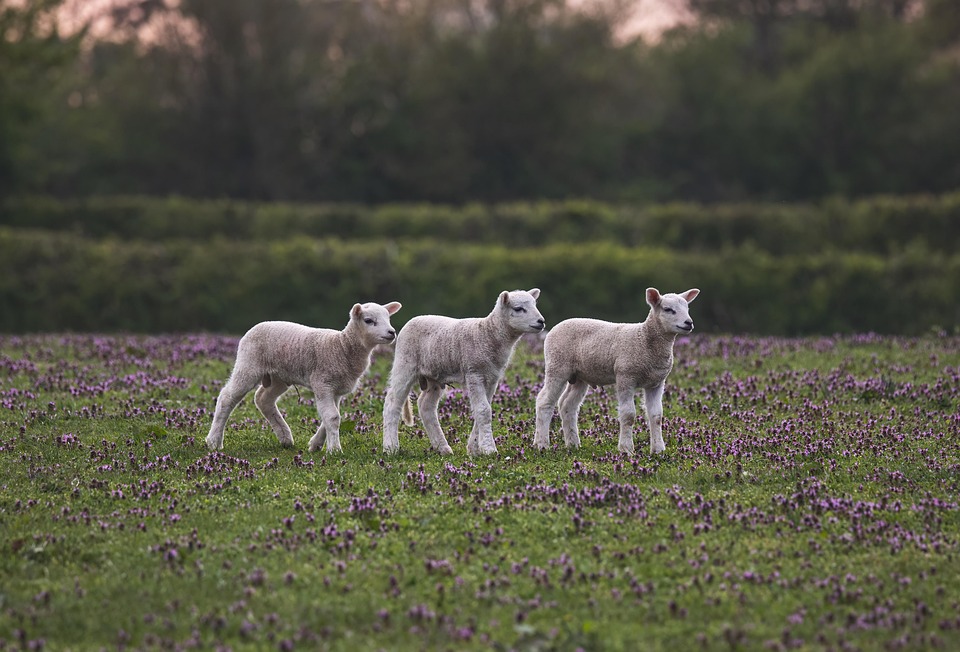
Conduct thorough health checks on your livestock and update vaccinations to prevent disease outbreaks. Spring is a common time for calving and lambing, so ensure you have the necessary supplies and facilities ready for birthing.
Equipment Maintenance
Having well-maintained equipment is vital for efficient farm operations. Spring is an ideal time to service and repair machinery before the busy planting and growing season.
Inspection and Repairs
Thoroughly inspect all equipment, including tractors, plows, and planters, for any signs of wear or damage. Perform necessary repairs and replace worn parts to prevent breakdowns during critical periods.
Calibration and Adjustments
Calibrate equipment to ensure accuracy and efficiency. This includes adjusting planting depths, seed spacing, and fertilizer application rates to match the specific needs of your crops and soil conditions.
Planting and Sowing Techniques
Once your soil is prepared and equipment is ready, it’s time to focus on planting and sowing. The techniques you employ can significantly impact the success of your crops.
Optimal Planting Times
Timing is crucial in spring farming. Pay attention to weather patterns and soil temperatures to determine the best planting times for each crop. Utilize local agricultural extension services for guidance on optimal planting dates.
Direct Seeding vs. Transplanting
Decide whether to direct seed or transplant seedlings based on the specific needs of each crop. Direct seeding is often suitable for fast-growing crops, while transplanting can provide a head start for slower-growing or more delicate plants.
Conclusion: Embracing the Opportunities of Spring
Spring farming tasks require careful planning and execution to set the stage for a successful growing season. By focusing on soil preparation, crop selection, efficient water management, pest control, livestock care, equipment maintenance, and planting techniques, farmers can maximize their productivity and ensure the health and vitality of their farms. Embrace the opportunities that spring presents, and with dedication and attention to detail, you can look forward to a bountiful harvest.
#ChatGPT assisted in the creation of this article.