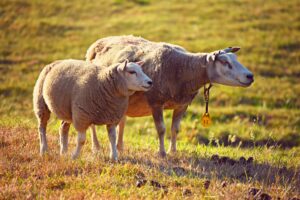
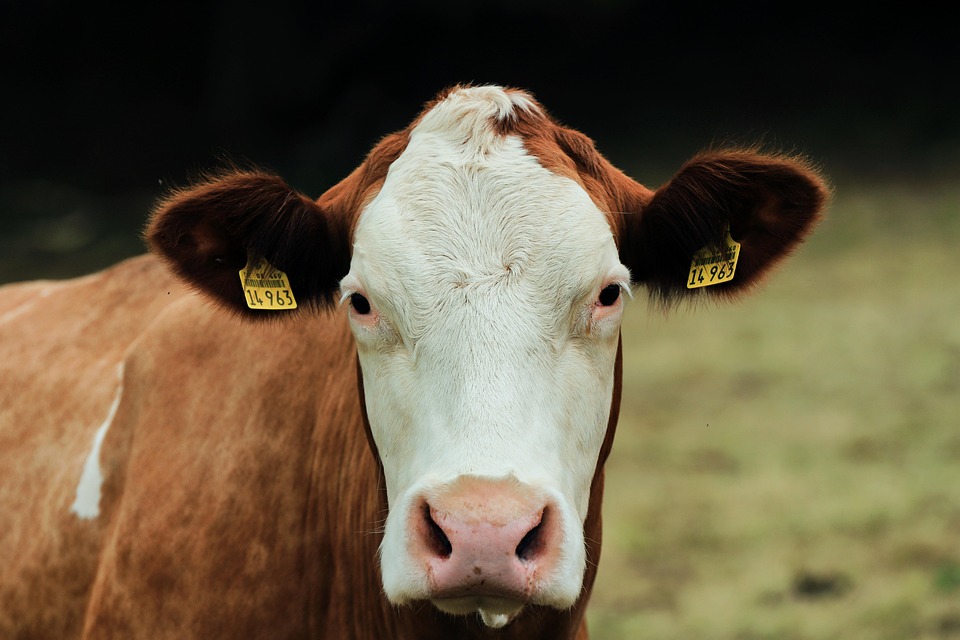
In the realm of agriculture, livestock management is a critical component that directly impacts productivity and profitability. Whether you are raising cattle, sheep, goats, pigs, or poultry, effective management practices are essential to ensure the health and productivity of your animals. This article will delve into top livestock management tips that can help farmers optimize productivity, improve animal welfare, and ensure sustainable practices.
Understanding the Basics of Livestock Management
Livestock management encompasses several key areas, including feeding, health care, housing, breeding, and welfare. Each of these components plays a vital role in ensuring that livestock are healthy, productive, and efficient. Understanding these basics is the first step towards optimizing productivity.
Feeding and Nutrition
Nutrition is fundamental to the health and productivity of livestock. A balanced diet tailored to the specific needs of your animals can significantly enhance growth rates, reproductive performance, and overall health.
– **Quality Feed**: Invest in high-quality feed that meets the nutritional requirements of your livestock. Consider factors such as age, weight, and production stage when formulating diets. Using feed additives like vitamins and minerals can enhance nutritional intake.
– **Forage Management**: Proper forage management ensures a consistent and nutritious supply of feed. Rotational grazing, for example, can prevent overgrazing and promote pasture regrowth, providing a sustainable feed source.
– **Water Supply**: Access to clean and abundant water is crucial for livestock health. Ensure that water sources are regularly checked and maintained to prevent contamination and dehydration.
Health Care and Disease Prevention
Maintaining the health of your livestock is paramount to achieving optimal productivity. Implementing robust health care and disease prevention measures can minimize losses and enhance animal welfare.
– **Vaccination Programs**: Develop a comprehensive vaccination program tailored to the specific diseases prevalent in your region. Regular vaccinations can prevent outbreaks and protect livestock from serious illnesses.
– **Biosecurity Measures**: Implement biosecurity protocols to prevent the introduction and spread of diseases. This includes controlling access to livestock areas, quarantining new animals, and maintaining clean facilities.
– **Regular Health Checks**: Conduct regular health checks and work closely with a veterinarian to monitor the health status of your livestock. Early detection of diseases can prevent widespread outbreaks and reduce treatment costs.
Housing and Shelter
Providing adequate housing and shelter is essential for protecting livestock from adverse weather conditions and ensuring their comfort and safety.
– **Design and Ventilation**: Construct livestock housing with proper ventilation to ensure a constant supply of fresh air, which reduces stress and respiratory problems. Consider factors like temperature, humidity, and space requirements to enhance animal comfort.
– **Bedding and Cleanliness**: Use appropriate bedding to provide comfort and reduce the risk of injuries. Regularly clean and disinfect housing facilities to control parasites and pathogens.
– **Protection from Predators**: Ensure that livestock are protected from predators by installing secure fencing and using guardian animals like dogs or llamas.
Breeding and Reproduction
Efficient breeding and reproduction management can significantly impact livestock productivity. By optimizing breeding programs, farmers can improve genetic traits and increase herd performance.
– **Selective Breeding**: Implement selective breeding practices to enhance desirable traits such as growth rate, disease resistance, and reproductive performance. Use performance records and genetic evaluations to make informed breeding decisions.
– **Reproductive Health**: Monitor the reproductive health of breeding animals and address any issues promptly. Implement measures such as pregnancy testing and estrus synchronization to improve breeding efficiency.
– **Artificial Insemination**: Consider using artificial insemination to introduce superior genetics into your herd. This technique allows for precise breeding and access to high-quality semen from proven sires.
Welfare and Stress Management
Animal welfare is an integral part of livestock management. Reducing stress and ensuring the well-being of animals can lead to better productivity and profitability.
Stress Reduction Techniques
Stress can negatively impact livestock health and productivity. Implement stress reduction techniques to promote a calm and conducive environment.
– **Handling and Movement**: Use low-stress handling techniques to minimize fear and anxiety during movement and handling. Training staff in proper handling methods can prevent injuries and stress-related issues.
– **Environmental Enrichment**: Provide environmental enrichment to stimulate natural behaviors and reduce boredom. This can include providing toys, varied diets, and social interaction with other animals.
Animal Welfare Practices
Implementing welfare practices not only benefits the animals but also improves production outcomes.
– **Humane Slaughter Practices**: Ensure that slaughter practices are humane and adhere to ethical standards. Proper training and equipment can minimize stress and pain during the slaughter process.
– **Regular Monitoring**: Continuously monitor the behavior and condition of livestock to identify any welfare concerns promptly. Addressing welfare issues early can prevent long-term problems and improve overall herd health.
Utilizing Technology in Livestock Management
Advancements in technology have revolutionized livestock management, offering innovative solutions to enhance productivity and efficiency.
Precision Farming Tools
Precision farming tools utilize data and technology to optimize livestock management.
– **Wearable Technology**: Equip livestock with wearable devices that monitor health indicators such as heart rate, temperature, and activity levels. This data can provide valuable insights into the health and well-being of individual animals.
– **Automated Feeding Systems**: Implement automated feeding systems to ensure precise and consistent feed delivery. These systems can adjust rations based on individual animal needs, reducing waste and improving feed efficiency.
Data Management and Analysis
Effective data management and analysis can drive informed decision-making and improve management practices.
– **Record Keeping**: Maintain detailed records of livestock performance, health, and management practices. Analyzing this data can identify trends, improve breeding decisions, and enhance disease management.
– **Farm Management Software**: Utilize farm management software to centralize data and streamline operations. These platforms offer tools for record-keeping, financial management, and performance tracking.
Conclusion
Optimal productivity in livestock management requires a comprehensive approach that encompasses nutrition, health care, housing, breeding, welfare, and technology. By implementing the tips outlined in this article, farmers can enhance the performance and well-being of their livestock, leading to increased profitability and sustainability. As the agricultural industry continues to evolve, embracing innovative practices and technologies will be essential for ensuring the future success of livestock operations.
“`
#ChatGPT assisted in the creation of this article.